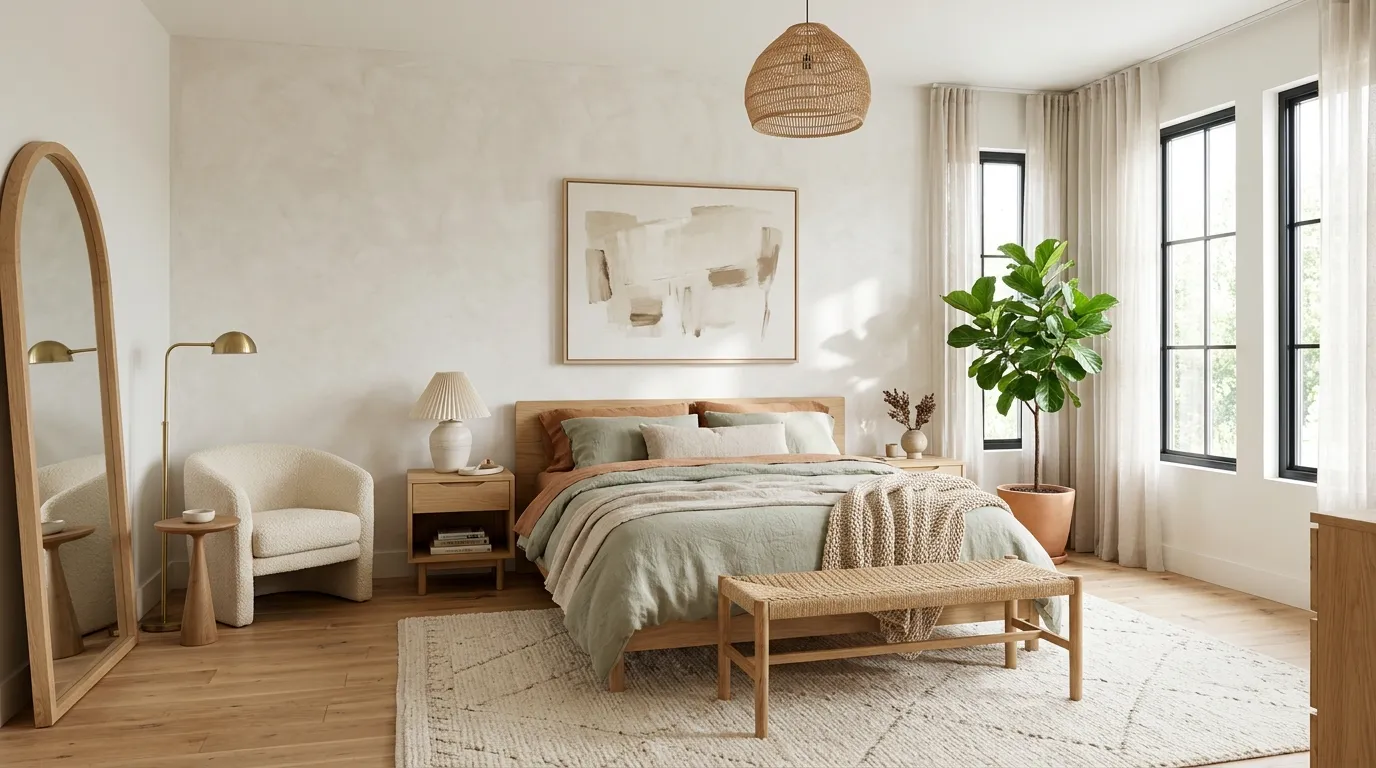
Bedroom Design Ideas: 27 Fresh Takes Designers Adore
Your bedroom should feel like your favorite place to unwind, recharge and start each day feeling refreshed. A few thoughtful design changes can make it feel completely different.
These Bedroom Design Ideas bring together fresh colors, beautiful textures, smart storage and designer inspired details to help you create a space that feels both stylish and comfortable. Whether your bedroom feels plain, cluttered or simply ready for a refresh, you’ll find inspiration to suit different styles, room sizes and budgets.
From warm neutral bedding and natural wood accents to statement headboards and cozy reading corners, each idea offers practical ways to improve your space without replacing everything you own. Sometimes, a new paint color, better lighting or a thoughtfully arranged bed is all you need to create a noticeable difference.
I’ve noticed that bedrooms often feel more inviting when colors, textures and lighting work together rather than compete for attention. That’s why these ideas focus on details you can actually use, not just attractive pictures. Explore the designs, save your favorites on Pinterest and discover which small changes could make your bedroom feel more like you.
1. Warm Neutral Layers
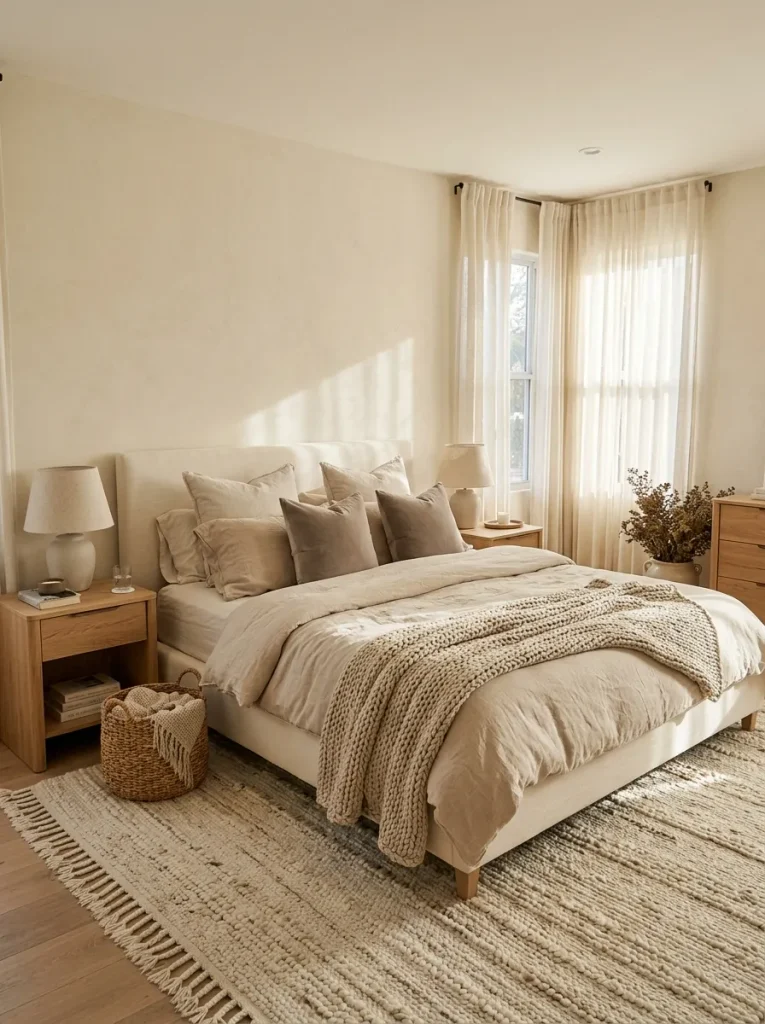
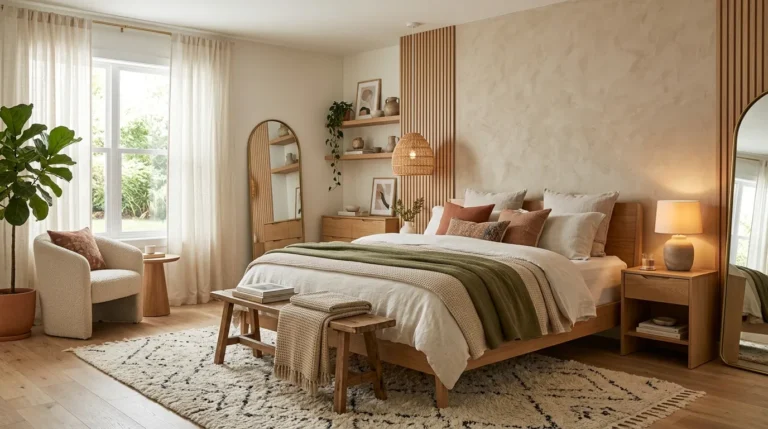
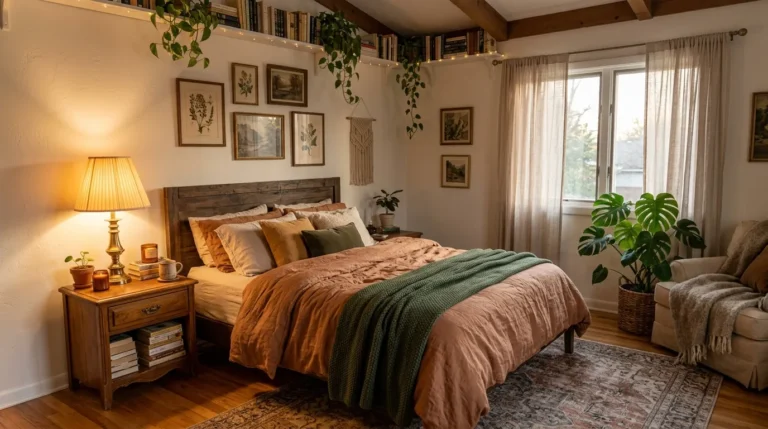
Warm neutral layers make a bedroom feel calm, inviting and beautifully put together without relying on bold colors. Start with ivory sheets, add a sandy beige duvet and finish with taupe cushions in different textures. The subtle contrast keeps the bed interesting while maintaining a restful atmosphere.
For a designer inspired finish, mix smooth cotton with washed linen, knitted fabrics and soft wool. Choose two or three closely related shades rather than matching every piece exactly. A natural wood nightstand or woven pendant light adds depth, preventing the room from feeling flat. These bedroom design ideas work especially well in small rooms where a light, cohesive palette helps the space feel more open.
2. Natural Wood Accents

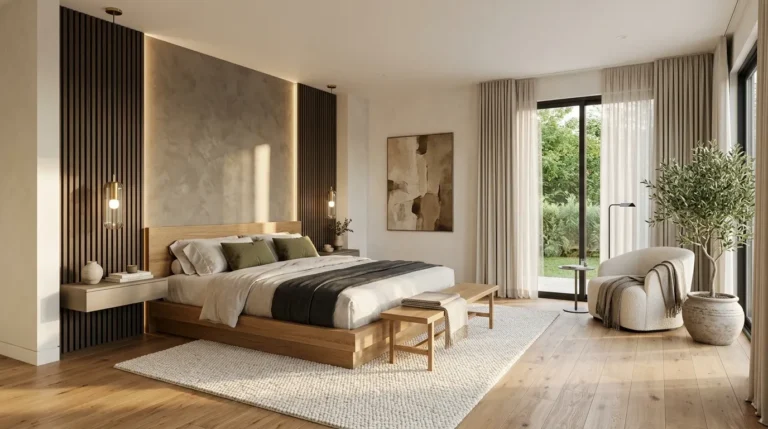
- Choose a wood tone: Light oak creates an airy, relaxed look, while walnut adds richness and contrast.
- Start with the bed: A wooden bed frame or headboard establishes a strong natural focal point.
- Repeat the finish: Add a matching nightstand, picture frame or small stool to connect the design.
- Mix your materials: Pair wood with linen, cotton, wool or ceramic accessories for a layered finish.
- Keep the palette simple: Cream, warm white and muted brown allow the wood grain to stand out.
Natural wood brings warmth and character to bedrooms that feel too plain or overly polished. If replacing furniture is outside your budget, begin with a wooden bedside table or a simple floating shelf. Keep the wood tones reasonably consistent, but avoid matching every piece perfectly. A little variation makes the room feel collected and natural rather than like a furniture showroom.
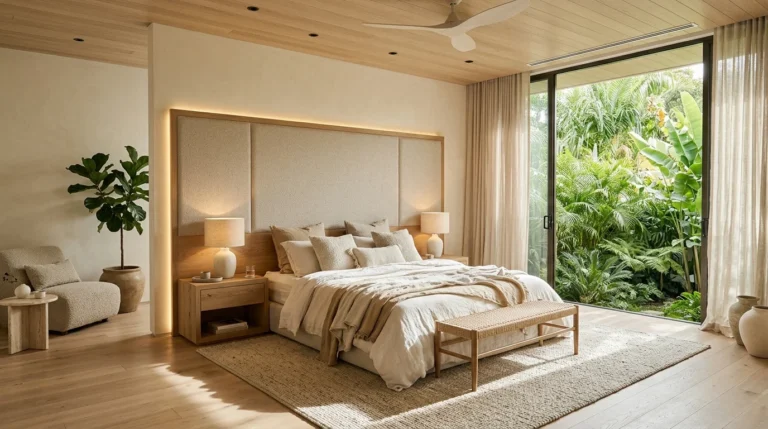
3. Statement Upholstered Headboard
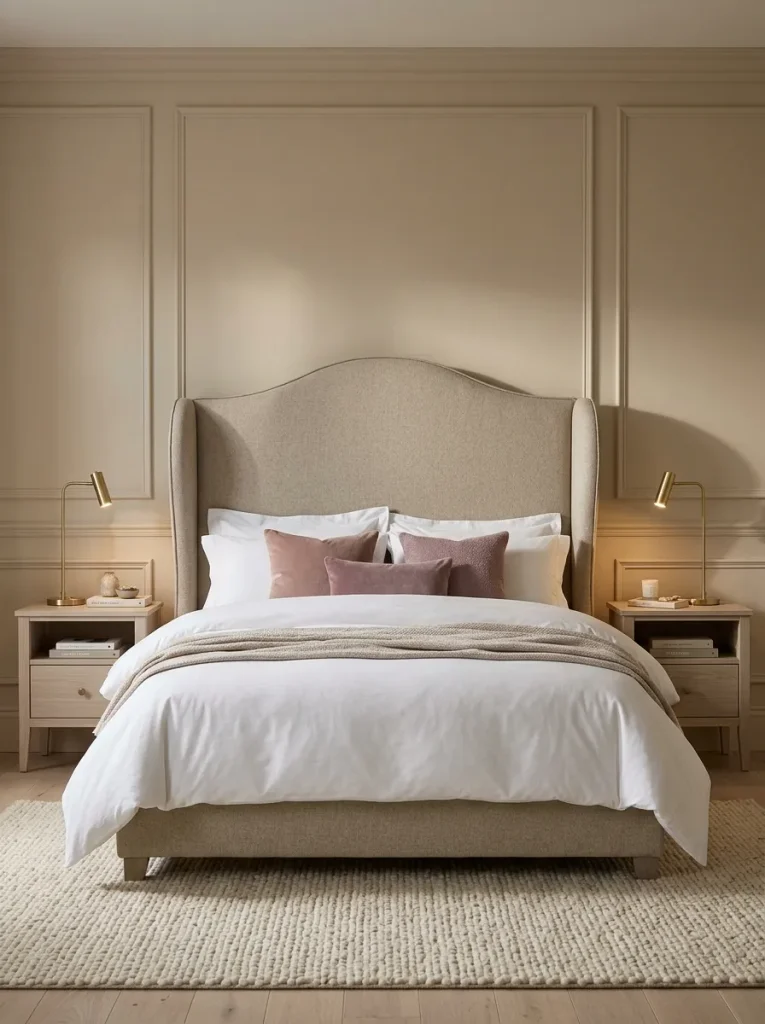
Quick Tip: Choose a headboard that extends slightly beyond the width of your mattress for a more substantial look. In a small bedroom, a softly rounded or vertically channeled design adds character without requiring extra furniture. Measure the wall and bedside clearance before ordering.
A statement headboard can make an ordinary bed feel like the centerpiece of a thoughtfully designed room. Upholstered styles introduce softness, while curved silhouettes help balance furniture with sharp edges. For a timeless result, choose oatmeal, cream or muted olive fabric that works with your existing bedding. Keep nearby accessories simple so the headboard remains the main attraction.
Read More: 29 Small Bedroom Decorating Ideas That Feel Spacious
4. Moody Accent Wall
BEFORE
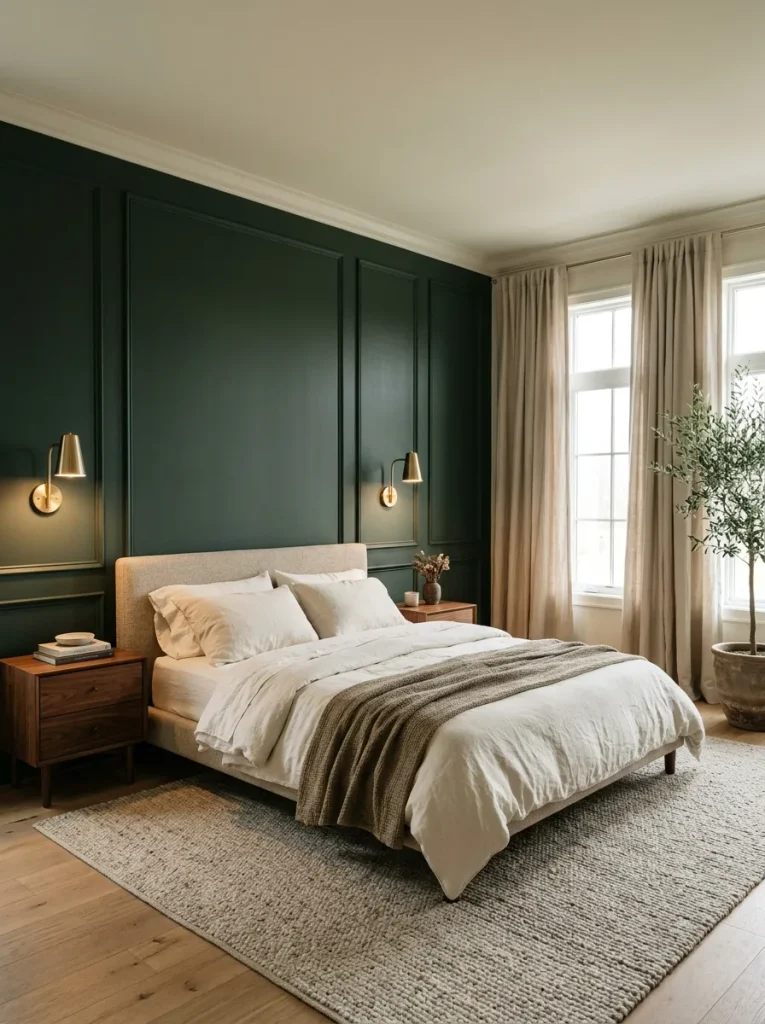
Plain white walls and basic bedding can leave a bedroom feeling unfinished. The bed may lack a clear focal point, especially when the furniture and accessories blend into the background.
AFTER
A deep green, charcoal or muted navy wall creates contrast behind the bed. Paired with lighter bedding and warm wood furniture, the room feels layered and intentional without needing lots of decoration.
For the best result, paint only the wall behind the headboard and keep the remaining walls lighter. Test a sample in morning and evening light before committing, since darker shades can change noticeably throughout the day. This approach works particularly well when you want a designer inspired bedroom without replacing your existing furniture.
5. Floating Bedside Tables
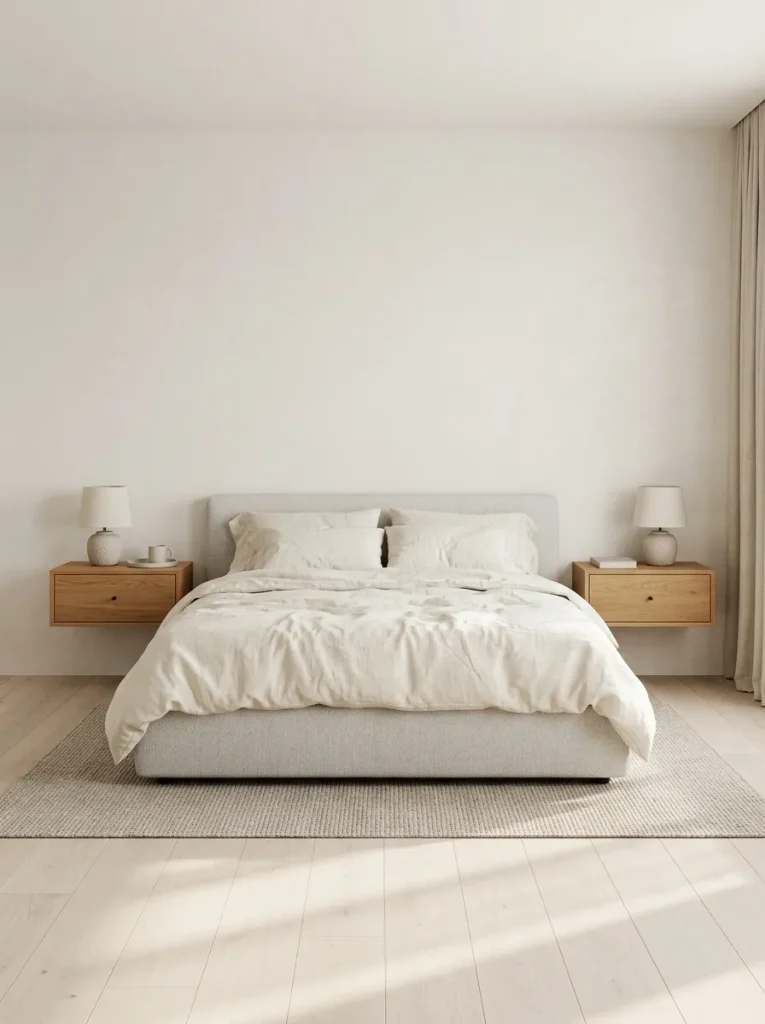
- Measure the bedside area. Check the bed height and leave enough room for comfortable access to drawers or shelves.
- Choose the right size. Select compact tables that hold essentials without crowding the walking space.
- Mark the mounting points. Use a level and locate wall studs or suitable anchors for your wall type.
- Style lightly. Add a small lamp, a book or a ceramic dish for everyday essentials.
Floating nightstands create a cleaner visual line and leave more floor visible, making a bedroom feel less crowded. They are especially useful in narrow rooms where traditional bedside cabinets make movement difficult. Before installation, confirm the wall can support the chosen hardware and the table’s intended load. A simple oak finish pairs beautifully with neutral bedding and warm lighting.
6. Layered Lighting Design
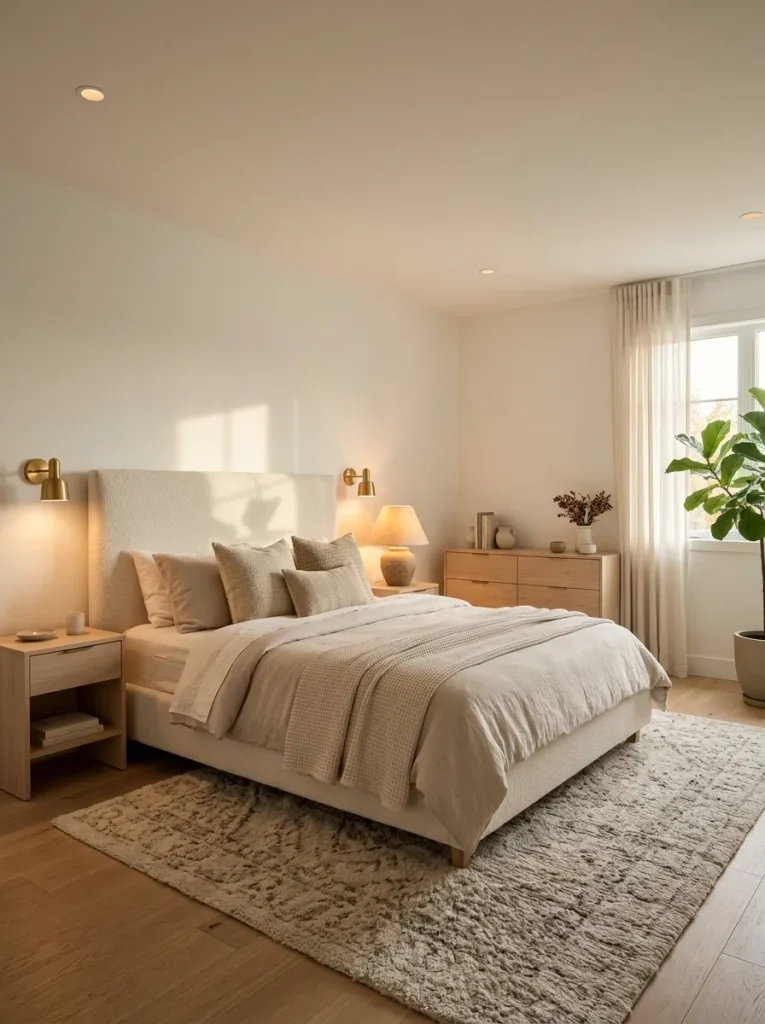
| Lighting Choice | Best Use |
|---|---|
| Option A: Ceiling light | General illumination for getting dressed and cleaning |
| Option B: Bedside sconces | Focused reading light that frees up nightstand space |
| Option A: Table lamp | A soft glow for winding down in the evening |
| Option B: Dimmable lighting | Adjustable brightness for different activities |
A well lit bedroom needs more than one bright ceiling fixture. Combine general lighting with focused bedside illumination and a softer ambient source to create a room that works throughout the day. Choose warm white bulbs for a relaxing atmosphere and position reading lights so they illuminate your book without shining directly into your eyes.
7. Textured Linen Bedding
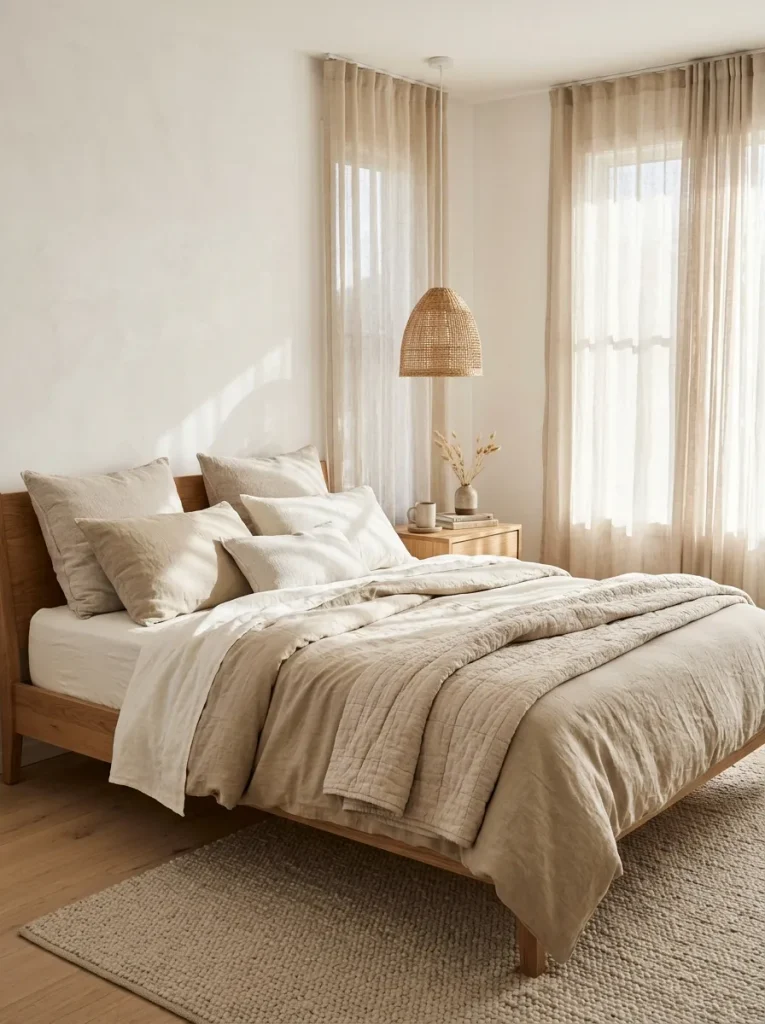
DO
- Choose washed linen bedding in ivory, sand or muted sage for a relaxed, layered appearance.
- Mix standard pillows with two larger cushions to create depth without overcrowding the bed.
- Fold a lightweight quilt or textured throw across the foot of the mattress.
- Combine linen with cotton sheets and a knitted blanket for variety.
DON’T
- Use too many competing patterns that make the bed look busy.
- Choose every fabric in exactly the same shade and texture.
- Overfill the bed with decorative cushions you must remove every night.
- Ignore care labels, especially when washing linen blends.
Textured bedding gives a simple bedroom character without requiring new furniture or expensive wall treatments. In my experience, combining just three tactile fabrics often creates enough visual interest. Keep the color palette restrained, then let the natural creases and soft folds provide the detail. The result feels inviting while remaining practical for everyday use.
8. Arched Wall Details
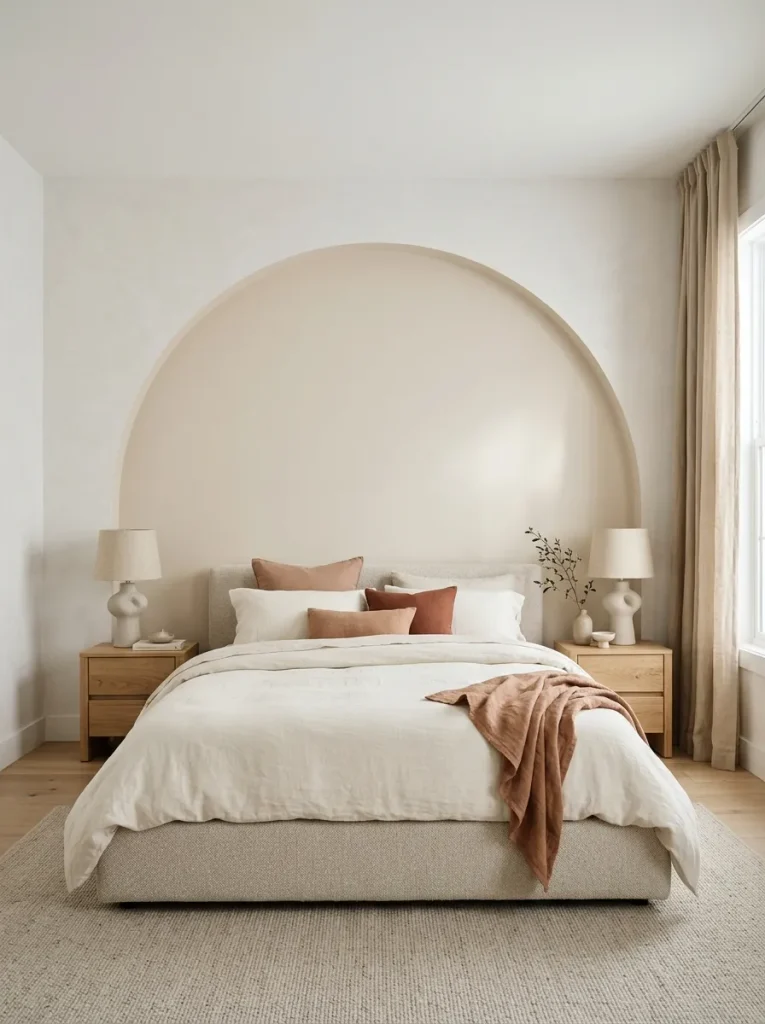
Cost: Low to moderate, depending on paint, materials and installation.
Time: A few hours for a painted arch, longer for built in architectural features.
Skill Level: Beginner for painting, intermediate for carpentry or plasterwork.
Best For: Plain walls, minimalist bedrooms and beds that need a defined focal point.
An arch creates architectural interest without filling the room with extra accessories. For an affordable version, mark a symmetrical curve on the wall and paint it in warm beige, muted clay or soft olive. Center the shape behind the headboard, ensuring it extends far enough beyond the bed to feel intentional. Pair it with simple bedding and understated lamps to keep the design balanced.
9. Cozy Reading Nook
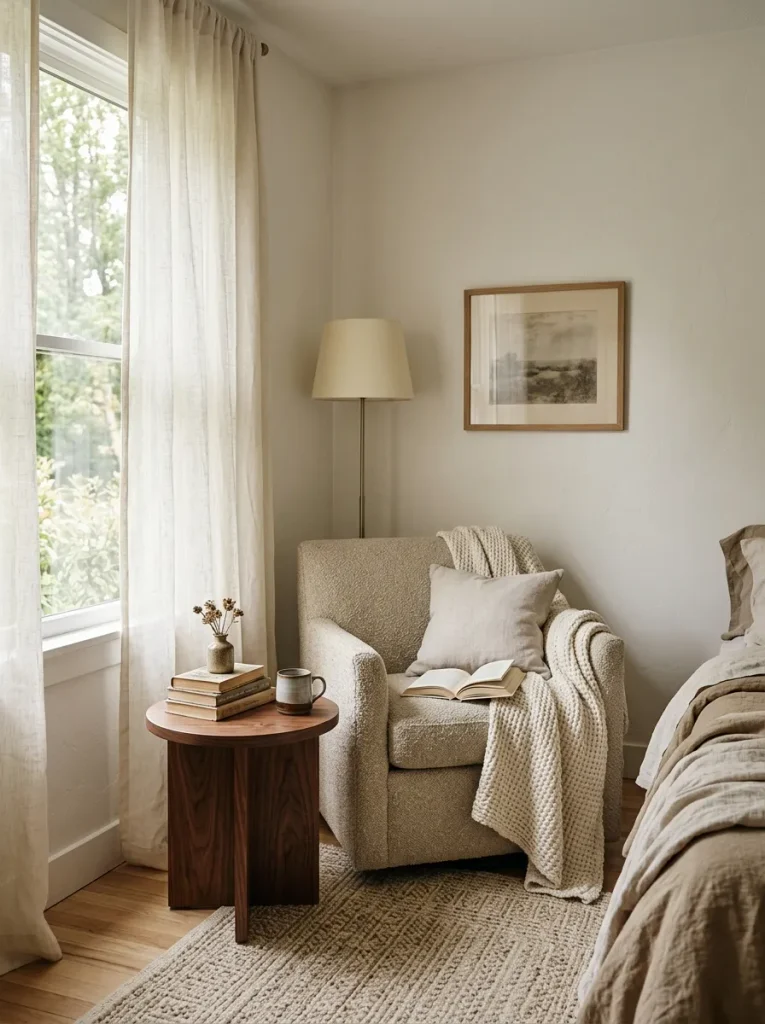
A quiet reading corner can turn an unused bedroom corner into a useful retreat. Start with one comfortable chair, then add a small table for your book and a warm reading lamp. You do not need a large footprint; a compact chair with slim legs can fit beside a window or dresser.
Choose fabrics that coordinate with your bedding, such as oatmeal upholstery, cream boucle or muted olive linen. If space is tight, use a cushioned window seat or a small upholstered stool instead of a full armchair. Keep the floor area clear so the nook feels like a natural extension of the bedroom rather than an obstacle.
10. Sculptural Pendant Lights
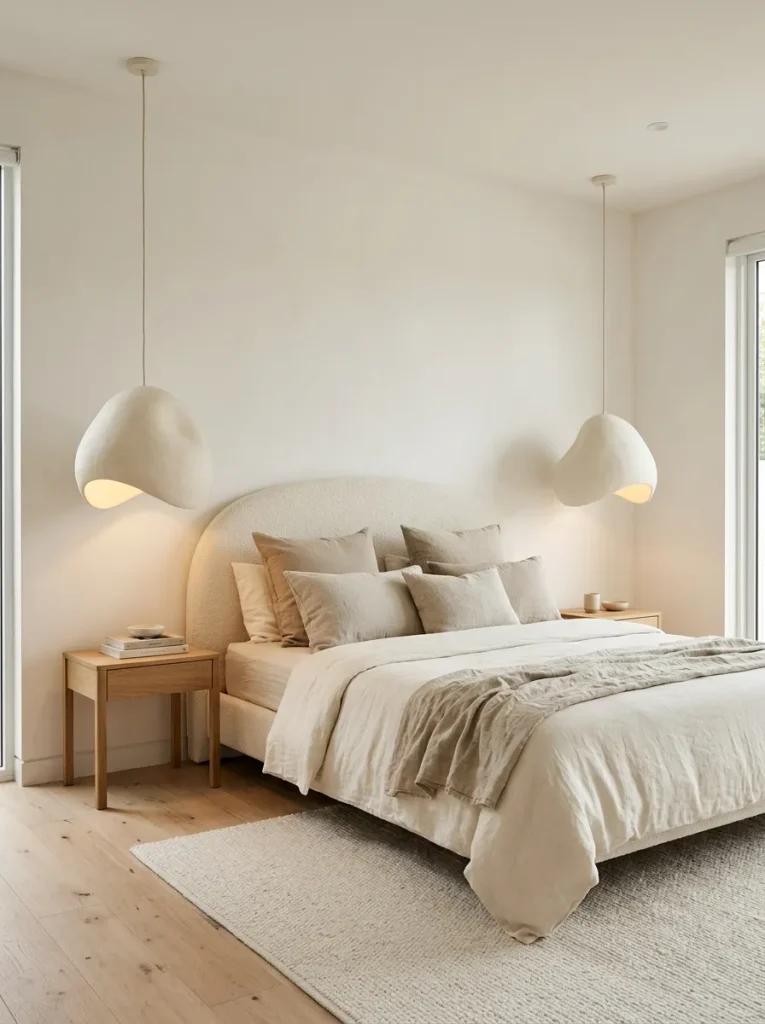
- Choose a sculptural pendant with a rounded, pleated or organic silhouette to add visual interest.
- Hang matching pendants on both sides of the bed for a balanced, symmetrical arrangement.
- Select natural materials such as woven fibers, ceramic or matte metal to complement your bedroom palette.
- Use warm white bulbs to create a comfortable evening atmosphere.
- Check ceiling height and pendant clearance before installation, especially above bedside tables.
Sculptural lighting works like functional artwork, giving the bedroom a distinctive detail without adding clutter to walls or surfaces. For a softer look, choose woven shades that cast gentle patterns across the room. If your ceiling is low, consider compact pendants or wall mounted alternatives. Always use suitable electrical fittings and professional installation when needed.
11. Vintage Furniture Mix
Quick Tip:
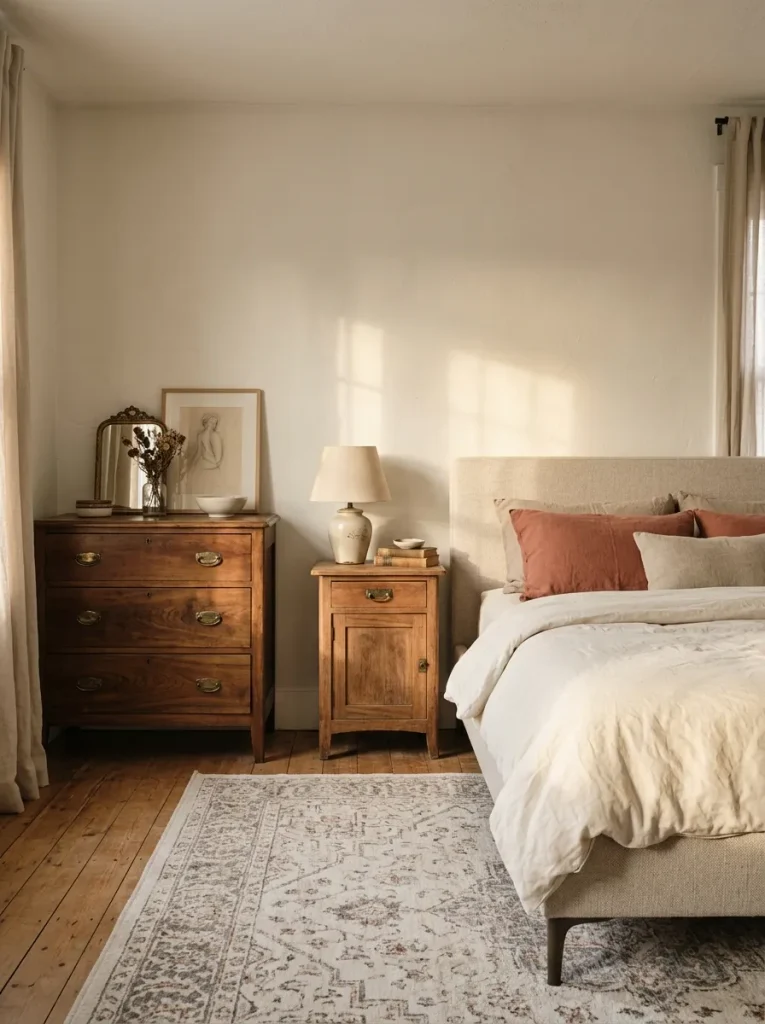
Choose one vintage furniture piece as the focal point, then surround it with simpler contemporary items. Check drawers, joints and finishes before buying secondhand furniture and make sure larger pieces fit through doorways.
Mixing vintage and modern furniture helps a bedroom feel personal rather than overly coordinated. An older wooden dresser can add warmth beside a clean lined bed, while antique brass handles or a traditional mirror introduce subtle character. Keep the main colors connected through bedding, curtains or rugs so different furniture styles feel intentional together.
12. Floor Length Curtains
BEFORE
Short curtains that stop at the window frame can make the wall feel visually divided. Heavy fabrics or poorly placed curtain rods may also block natural light and make a small bedroom seem shorter.
AFTER
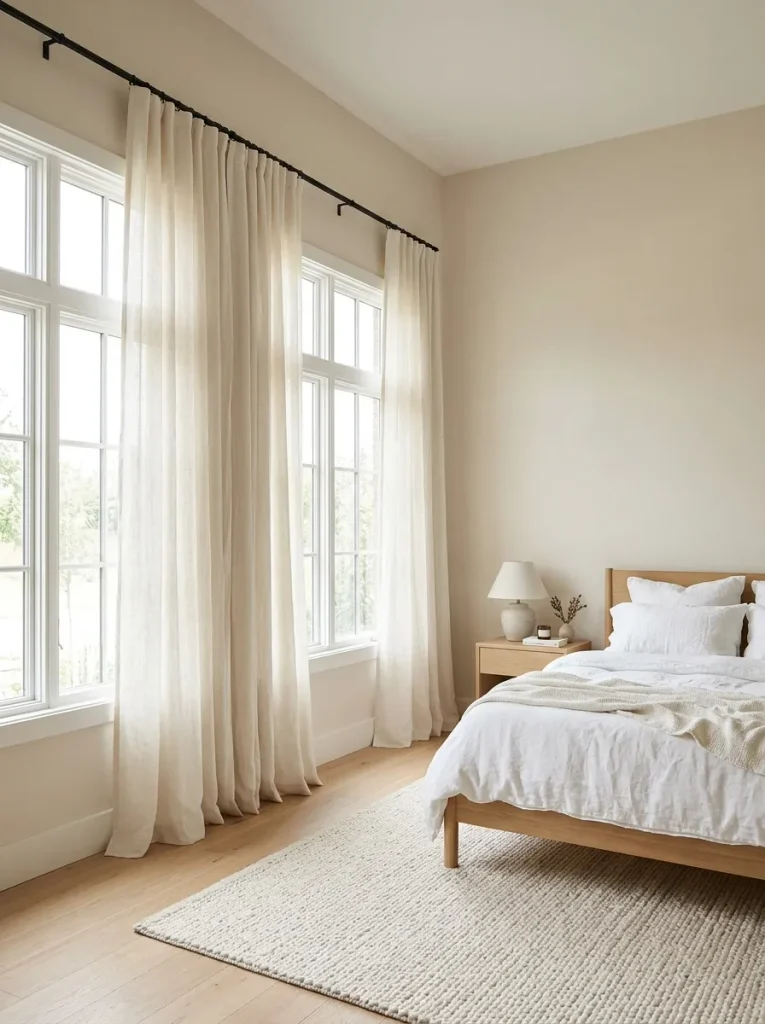
Long curtains that reach the floor create a continuous vertical line, helping the room feel taller and more polished. Lightweight linen or cotton blends allow daylight to filter through while softening the edges of the window.
For the best effect, mount the curtain rod several inches above the window frame, provided the ceiling and trim allow it. Let the fabric skim the floor rather than bunch heavily, unless you prefer a traditional puddled finish. Measure carefully before ordering and add blackout lining if you need better light control for sleeping.
13. Built In Storage Solutions
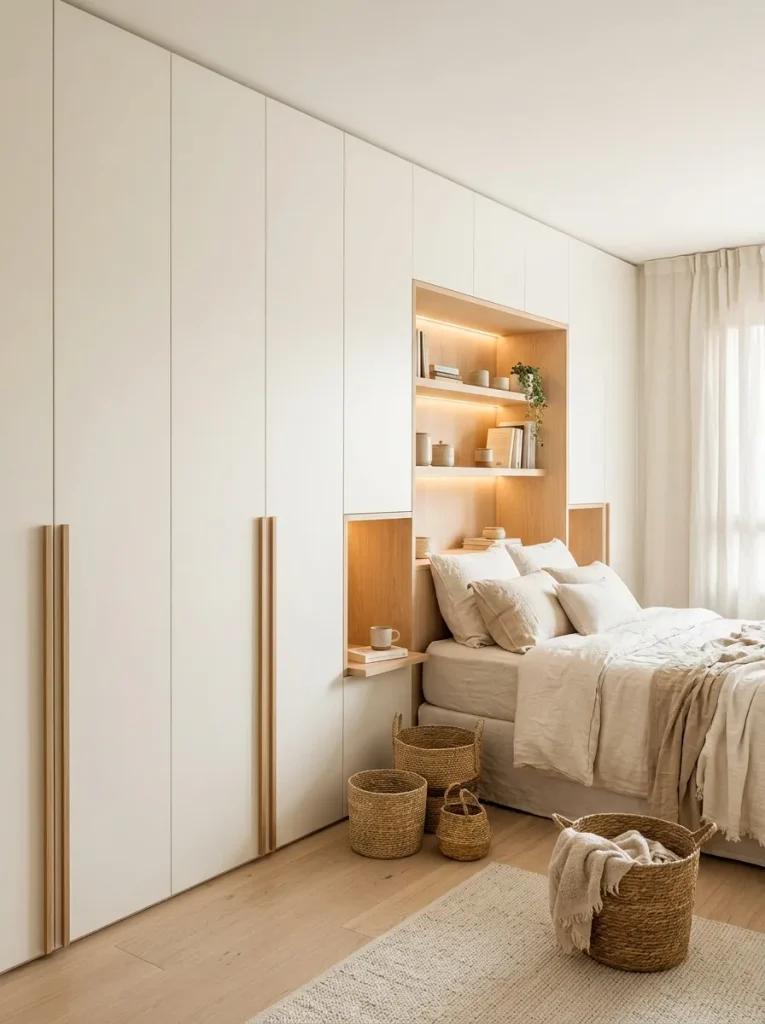
- Measure the available wall. Record the height, width and depth before choosing a storage configuration.
- Plan your categories. Allocate hanging space for clothes, shelves for folded items and drawers for smaller essentials.
- Use vertical space. Extend cabinets toward the ceiling to store seasonal bedding and rarely used belongings.
- Add concealed lighting. Install suitable wardrobe lighting to make shelves easier to use.
- Keep the finish simple. Match cabinet colors to the walls for a calm, cohesive appearance.
Built in storage helps a bedroom feel more organized by reducing visual clutter and making better use of unused wall space. If custom cabinetry is too expensive, tall freestanding wardrobes can provide a similar effect. Use matching storage boxes on upper shelves and keep frequently used items within easy reach. A thoughtful layout matters more than having the largest closet.
14. Earthy Terracotta Accents

Option A: Small Accents | Option B: Bold Statement
| Design Element | Small Accents | Bold Statement |
|---|---|---|
| Color placement | Cushions and ceramics | Painted accent wall |
| Visual effect | Subtle warmth | Strong focal point |
| Budget | Lower initial cost | More paint and preparation |
| Flexibility | Easy to change | Requires more effort to update |
Terracotta brings warmth to neutral bedrooms without making the palette feel overly bright. Start with two rust colored cushions and a matching ceramic vase if you prefer a subtle change. For a stronger look, paint a small section of wall in a muted clay shade. Pair either approach with cream textiles, natural wood and soft lighting to maintain balance.
15. Minimalist Gallery Wall
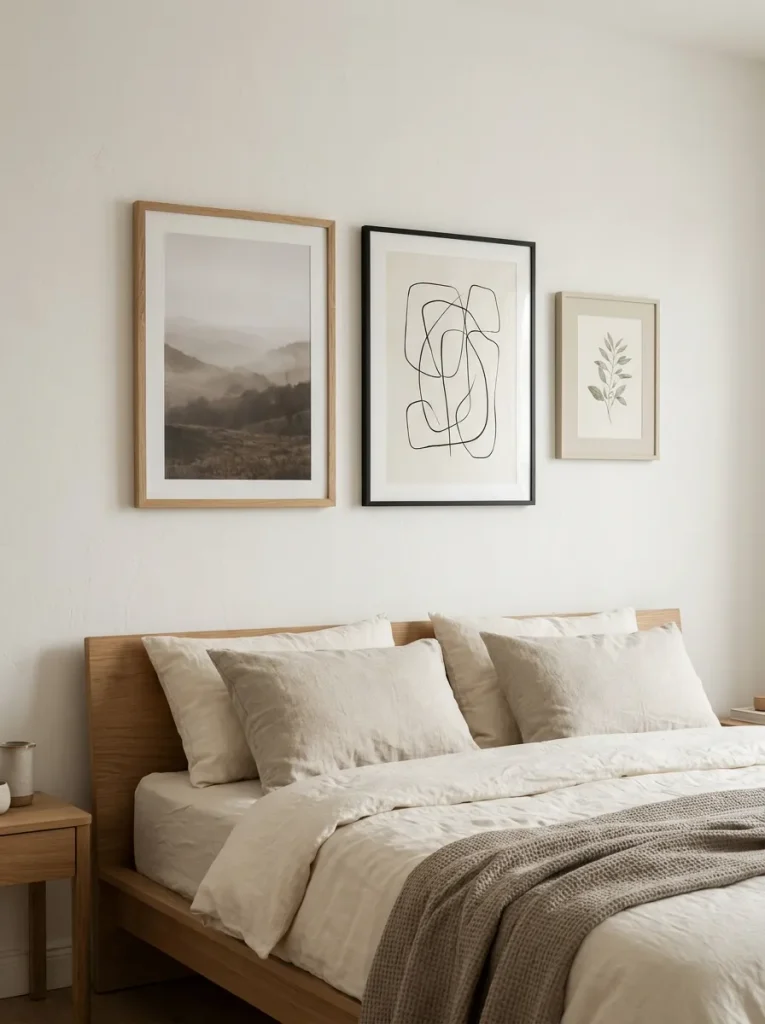
DO
- Choose three to five prints that share a consistent color palette.
- Use matching frames or two complementary finishes for a cohesive appearance.
- Arrange the artwork on the floor before drilling any holes.
- Keep the center of the grouping aligned with the bed or headboard.
DON’T
- Hang frames too high above the headboard.
- Mix too many unrelated colors and illustration styles.
- Crowd the wall with artwork that competes with patterned bedding.
- Use heavy frames without appropriate wall fixings.
A minimalist gallery wall adds personality without overwhelming the bedroom. Botanical prints, abstract shapes and muted landscapes work especially well when their colors echo the bedding or curtains. Leave even spacing between frames and keep the overall arrangement proportionate to the bed. If you rent your home, lightweight frames and removable hanging strips rated for the artwork’s weight can make the update easier.
16. Soft Sage Green Palette
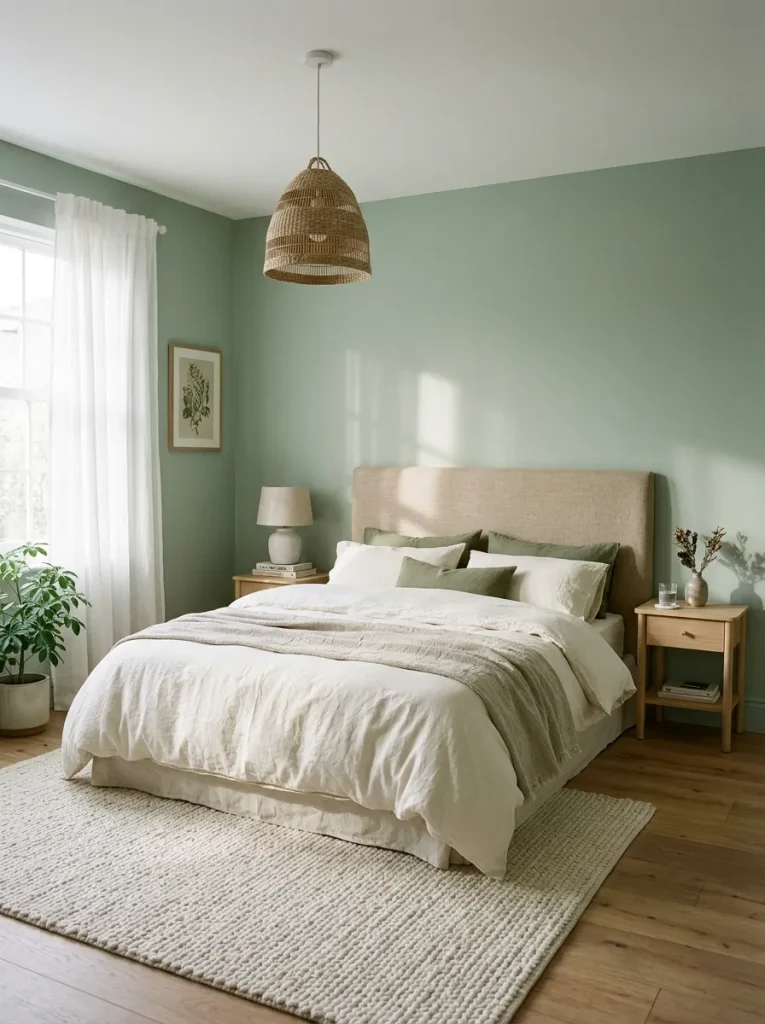
Cost: Low to moderate, depending on paint and textiles.
Time: One afternoon for simple styling, plus drying time for painting.
Skill Level: Beginner.
Best For: Neutral bedrooms that need a gentle touch of color.
Sage green brings a fresh, grounded feeling to a bedroom without the intensity of brighter shades. Use it on the walls for a soft, enveloping effect or introduce it through a duvet cover, cushions and curtains. Pair the color with warm white and natural oak to prevent the room from feeling cold. Before painting, test a sample in different lighting conditions because sage can appear grayer or more yellow depending on the light.
17. Layered Area Rugs
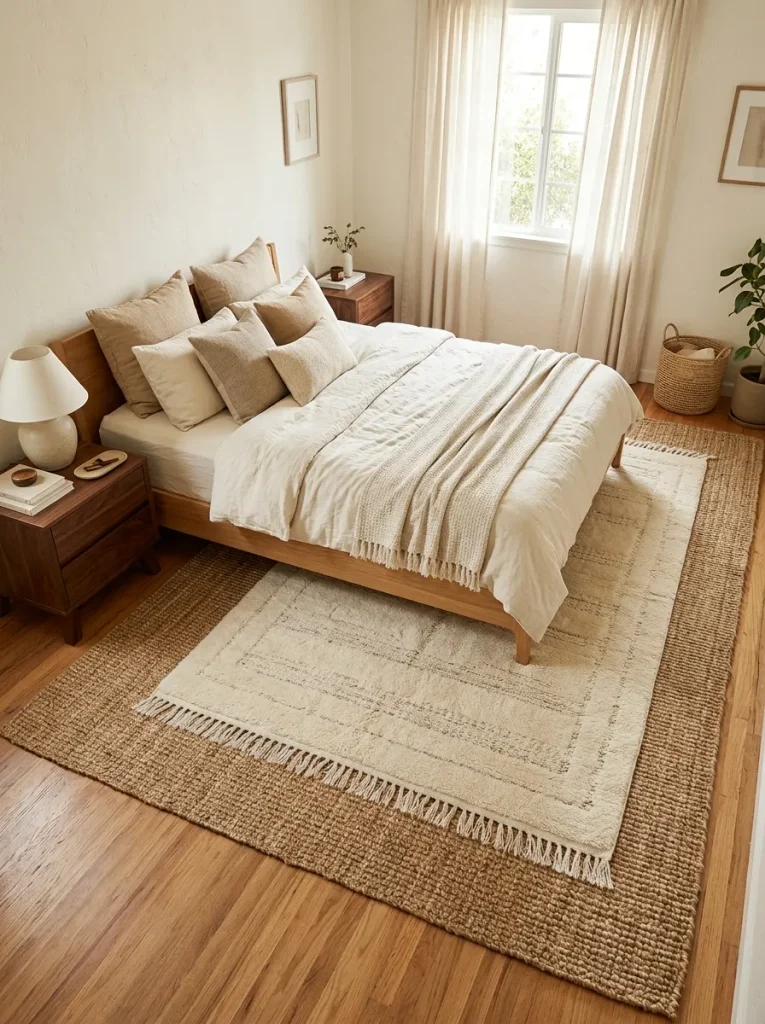
Layered rugs add depth and softness, especially in bedrooms with plain flooring. Start with a large, durable base rug in jute or another natural looking weave, then place a smaller, softer rug near the foot or side of the bed.
For a balanced arrangement, keep the colors related but vary the textures. A neutral flatweave beneath a plush cream rug creates contrast without making the floor look busy. Secure the upper rug with an appropriate nonslip pad and check that rug edges do not interfere with doors or create tripping hazards. The extra texture makes getting out of bed on a cool morning more comfortable, too.
18. Canopy Bed Styling

BEFORE
A simple bed can sometimes look visually disconnected from the rest of the bedroom, particularly when the ceiling is high or the wall behind it is plain. Adding more decorative cushions alone may not create the structure the room needs.
AFTER
A canopy bed establishes a strong focal point and gives the sleeping area a defined shape. A slim metal frame keeps the look modern, while soft linen panels add privacy and a relaxed, romantic quality.
Keep the surrounding furniture simple so the frame remains prominent. If you use fabric panels, choose lightweight, washable materials and make sure they stay clear of lamps, heaters and other heat sources. In smaller rooms, an open frame canopy with minimal draping offers the look without making the space feel enclosed.
19. Oversized Bedroom Mirror
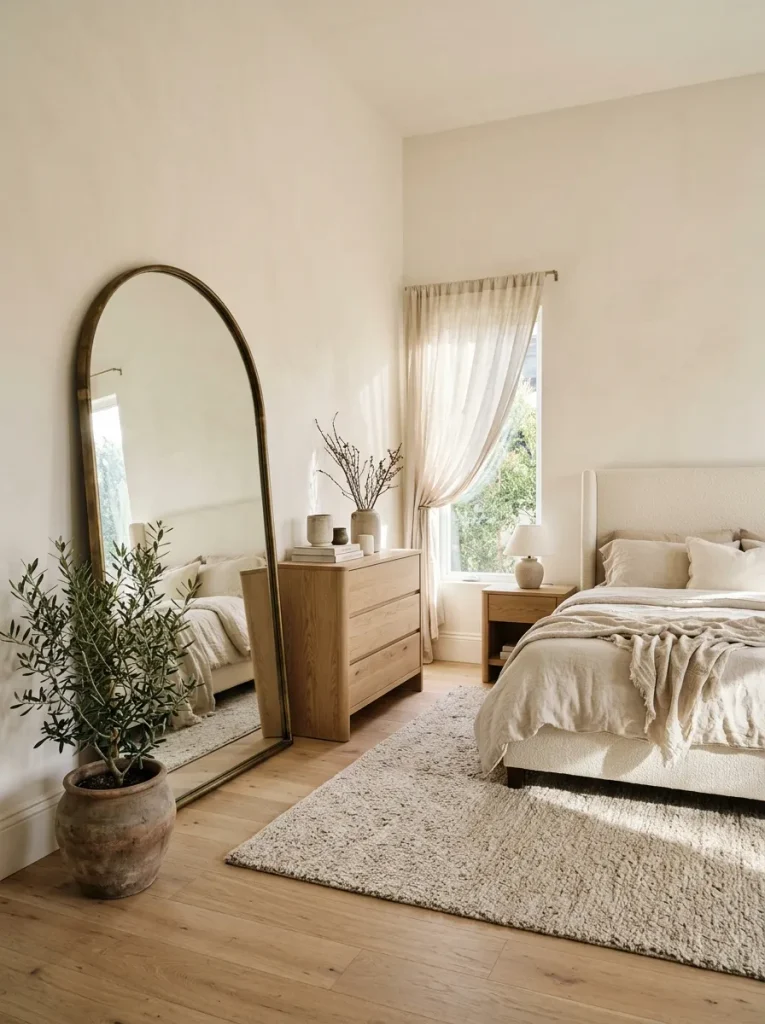
- Choose the location. Position the mirror where it reflects natural light or an attractive part of the room.
- Select the shape. Try an arched mirror for softness or a rectangular design for clean, modern lines.
- Coordinate the frame. Match brass, black or wood details with existing bedroom hardware and furniture.
- Check the scale. Choose a mirror large enough to balance the nearby furniture without blocking walkways.
- Secure it safely. Anchor heavy mirrors according to the manufacturer’s instructions, even when they lean against a wall.
An oversized mirror adds depth and helps a bedroom feel brighter by reflecting available light. Place it opposite or beside a window when possible, but check what it reflects before deciding on the final position. A mirror facing a cluttered corner will emphasize that mess rather than improve the room. In smaller bedrooms, a tall, narrow design can provide visual impact without taking up much wall width.
20. Upholstered Bedroom Bench
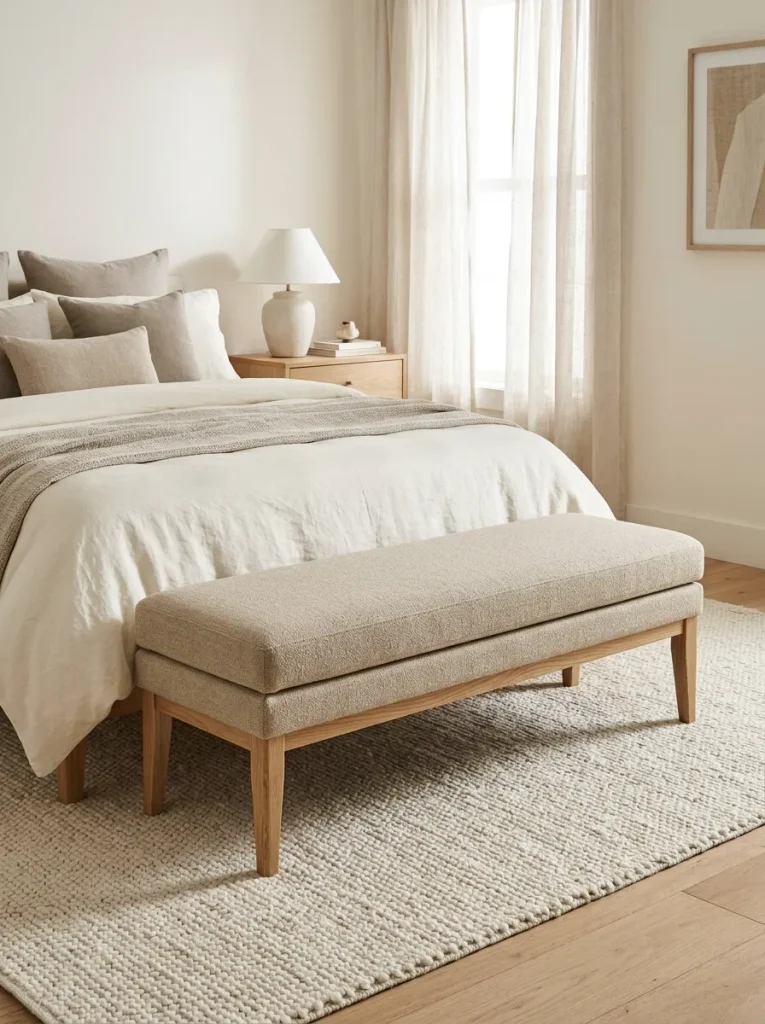
Quick Tip:
Choose a bench that is slightly narrower than the bed so it does not dominate the room. Allow enough clearance to walk around it comfortably and consider a storage bench if you need extra space for blankets or spare pillows.
A bedroom bench adds a finished look while providing a practical place to sit, arrange clothing or set down a blanket. Boucle and linen upholstery create a soft appearance, while wood or metal legs keep the design visually light. In a compact bedroom, choose a slim bench without arms. If the bed already has a bold headboard or patterned bedding, a simple neutral bench will maintain balance.
21. Floating Wooden Shelves

BEFORE
Empty bedroom walls can feel unfinished, while bulky bookcases or oversized cabinets may take up valuable floor space. Filling every available surface with decorations can also make the room feel crowded.
AFTER
Floating wooden shelves create useful display space while keeping the floor clear. A few carefully chosen objects add personality and the natural wood introduces warmth against a light colored wall.
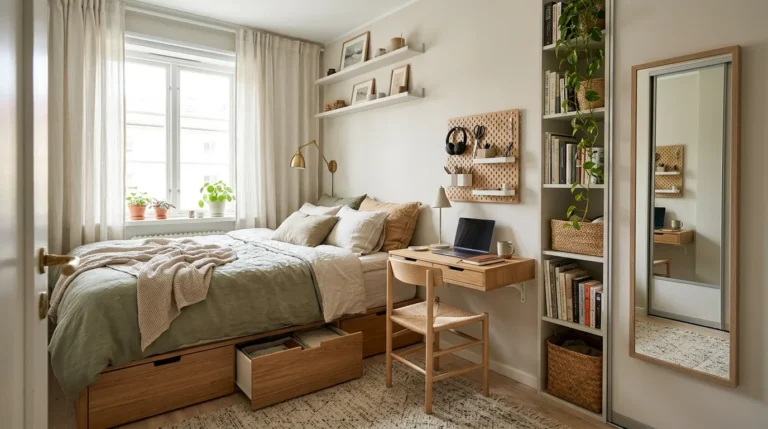
Install shelves where they will not interfere with opening doors, walking paths or bedside activities. Keep heavier objects within easy reach and use fixings suited to your wall type. For a balanced display, combine one framed print with a small plant and a ceramic piece, leaving some empty space between objects. This makes the arrangement feel intentional rather than cluttered.
22. Woven Pendant Shades
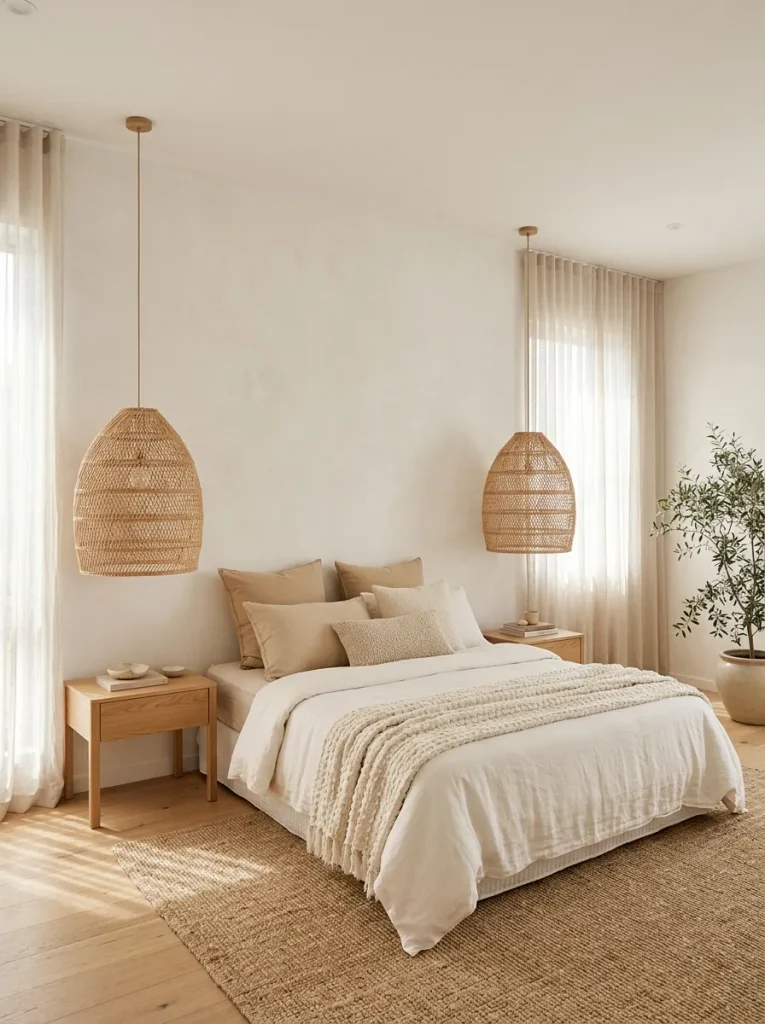
- Choose natural rattan or wicker shades for a relaxed organic look.
- Hang matching pendants on either side of the bed for visual balance.
- Pair woven textures with smooth cotton bedding and simple wooden furniture.
- Use warm white bulbs to create a comfortable evening atmosphere.
- Check the shade’s size and ceiling clearance before installation.
Woven pendant shades introduce texture and warmth without adding extra objects to bedside surfaces. Their open construction can create attractive patterns as light passes through, especially in the evening. Keep the surrounding decor relatively simple so the woven material stands out. Always use bulbs and fixtures suitable for the shade, follow clearance requirements and arrange professional installation if electrical work is needed.
23. Monochromatic Bedroom Styling
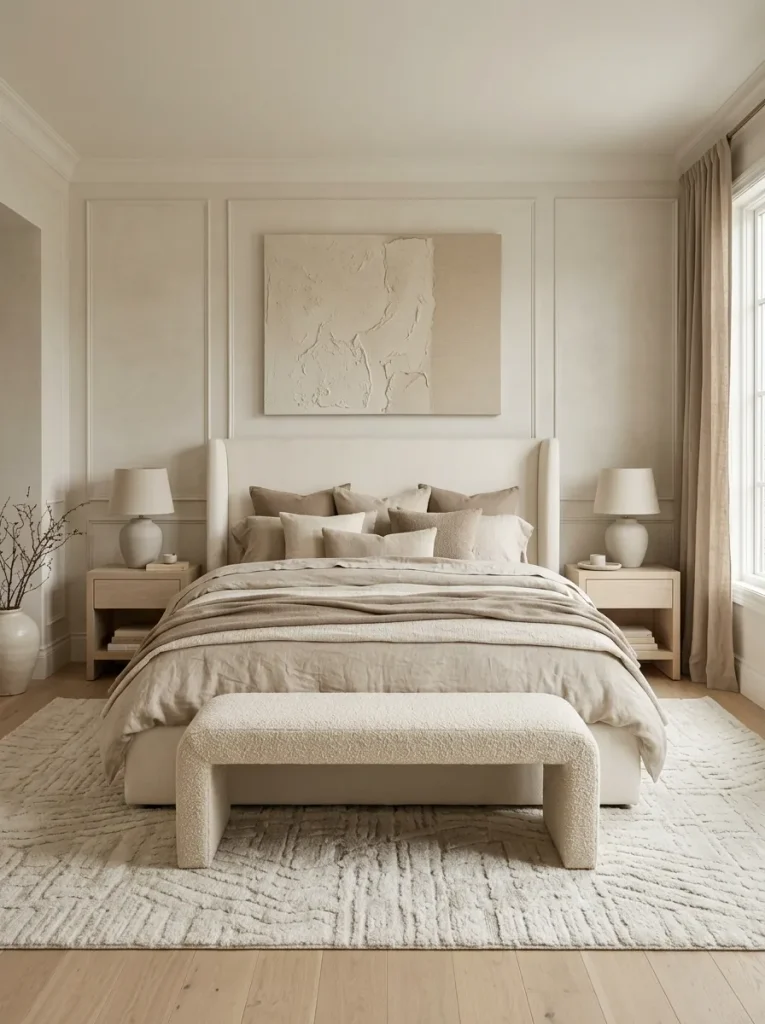
Cost: Low to moderate, depending on whether you reuse existing furniture.
Time: A few hours for restyling.
Skill Level: Beginner.
Best For: Minimalist bedrooms and spaces that need a cohesive appearance.
A monochromatic bedroom feels polished when different textures prevent the similar colors from blending together. Combine crisp cotton sheets with a linen duvet, a knitted throw and a textured rug in closely related shades. Introduce subtle contrast through wood furniture, matte ceramic accessories or dark metal hardware. Rather than buying an entirely new matching set, work with what you already own and replace only the pieces that interrupt the palette.
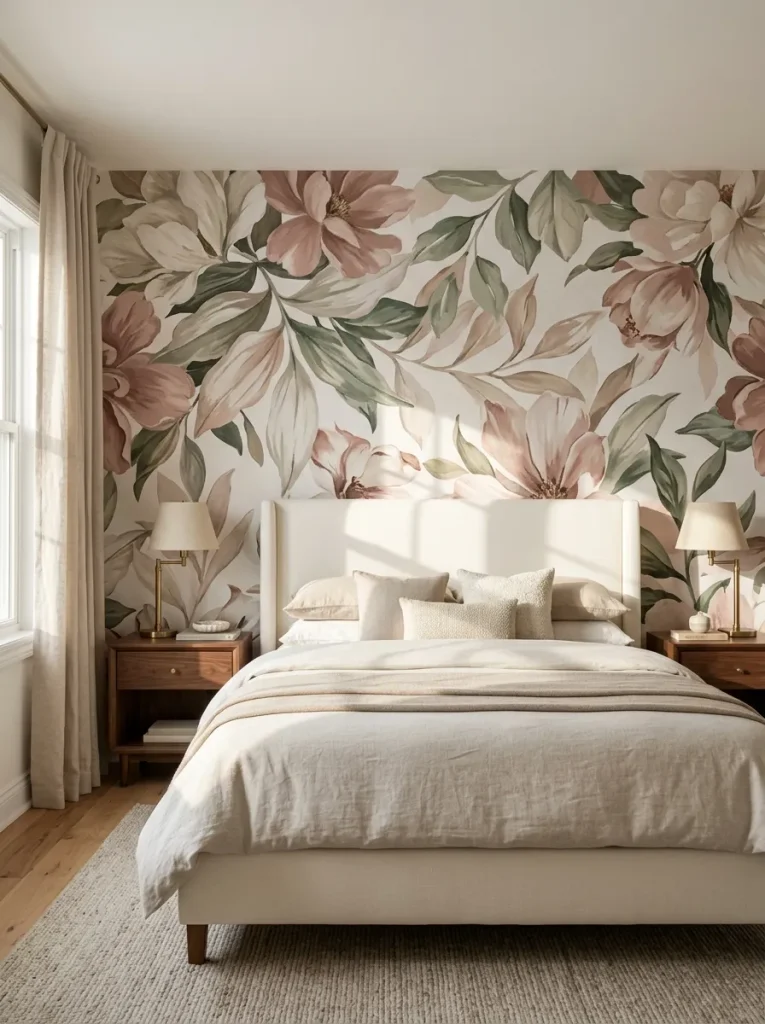
24. Bold Floral Wallpaper
DO
- Apply floral wallpaper to the wall behind the bed for a defined focal point.
- Choose a pattern with two or three colors that coordinate with your bedding.
- Balance large floral prints with solid colored cushions and simple furniture.
- Order samples and inspect them in both daylight and evening lighting.
DON’T
- Combine several competing floral patterns without a clear color connection.
- Choose an oversized print without checking the wall dimensions.
- Forget to prepare the wall according to the wallpaper manufacturer’s instructions.
- Use permanent wallpaper in a rental without checking whether removable options are suitable.
Bold floral wallpaper adds personality to a bedroom that feels too plain or lacks a distinctive feature. Large botanical designs create a contemporary look, while smaller vintage inspired prints feel more traditional. Keep the bedding relatively quiet so the wall remains the star. If you are decorating a small room, test a sample first to see how the pattern looks from the doorway and beside the bed.
25. Cozy Window Seat
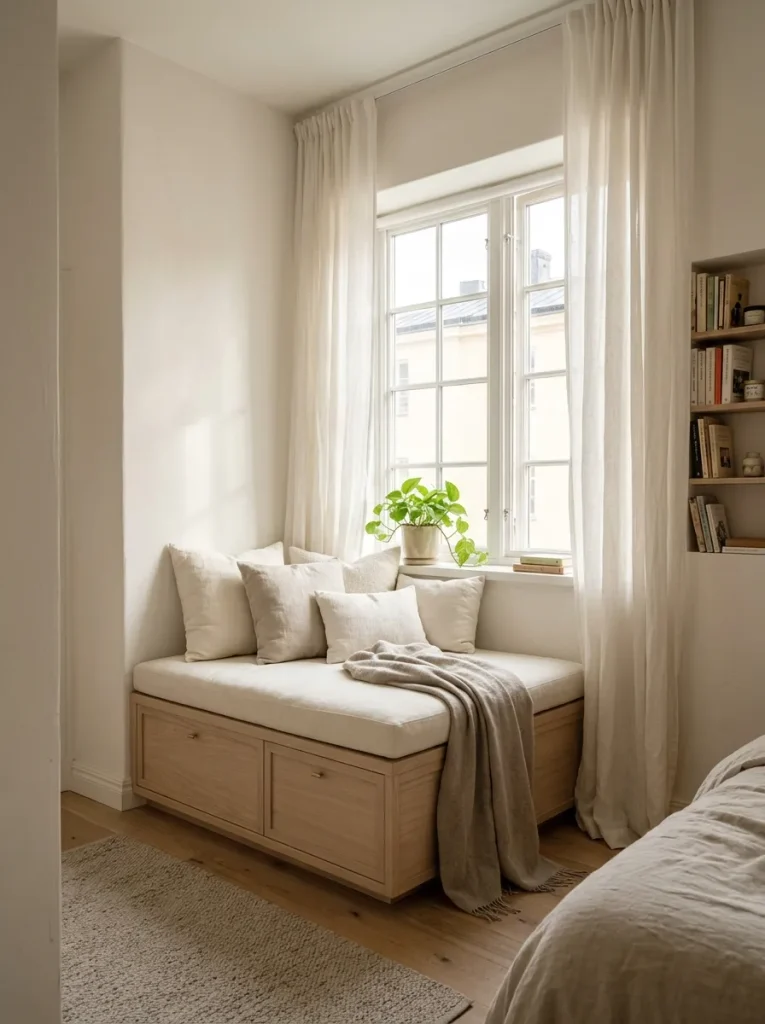
A window seat can turn an overlooked corner into a comfortable place to read, relax or enjoy the morning light. Start with a well fitted cushion and two supportive pillows in fabrics that coordinate with your bedding. If the window has a deep sill, you may be able to create a simple seating area without major construction.
For extra functionality, choose a bench with concealed storage underneath for spare blankets, books or seasonal linens. Keep the styling simple so the seat remains practical rather than becoming another surface for clutter. Check for drafts, window access and any nearby heating vents before positioning cushions. Even a compact bedroom can benefit from a small, useful retreat.
26. Black Accent Details
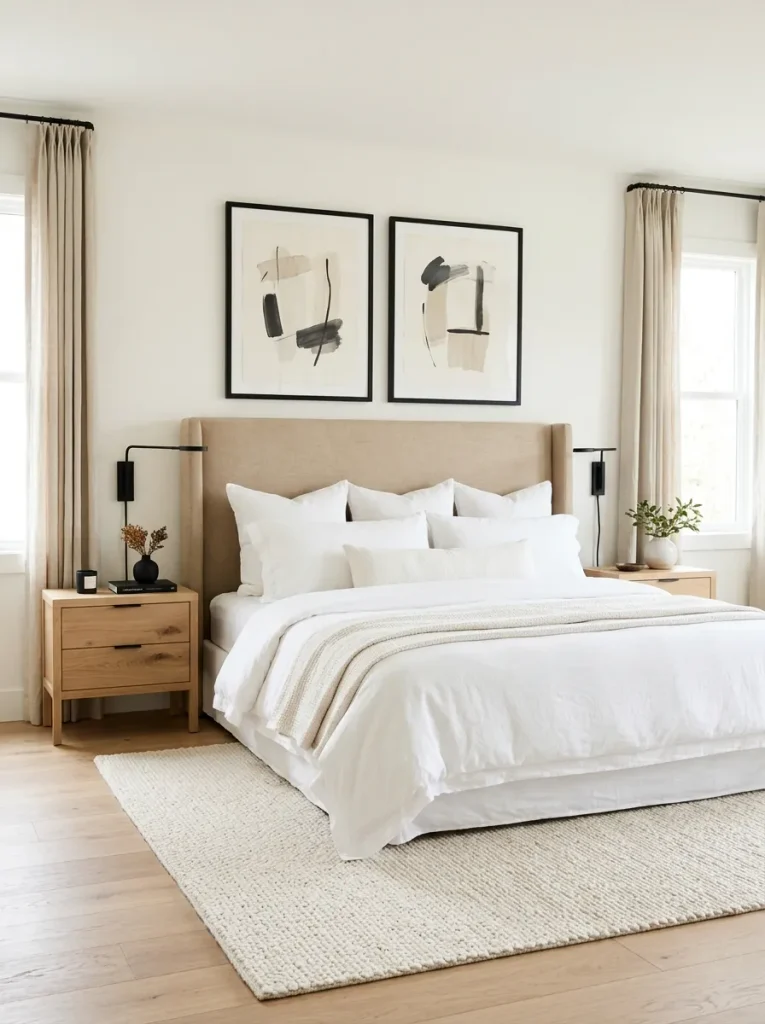
Quick Tip:
Repeat black in two or three places, such as a bedside lamp, picture frame and drawer handle. This creates a connected look without making the bedroom feel too dark. Keep larger surfaces light if you want the contrast to feel crisp and airy.
Black accents give a neutral bedroom definition and help simple furniture look more intentional. You do not need to paint a wall or buy new furniture to achieve the effect. Swapping existing hardware, adding a slim black lamp or choosing a dark framed mirror can be enough. Balance these details with warm wood, soft textiles and natural light for a comfortable result.
27. Hotel Inspired Bedding
BEFORE
A bed with mismatched pillow sizes, uneven bedding and a loose duvet can make the whole bedroom look untidy, even when the rest of the room is well decorated. Too many contrasting colors may also distract from the bed.
AFTER
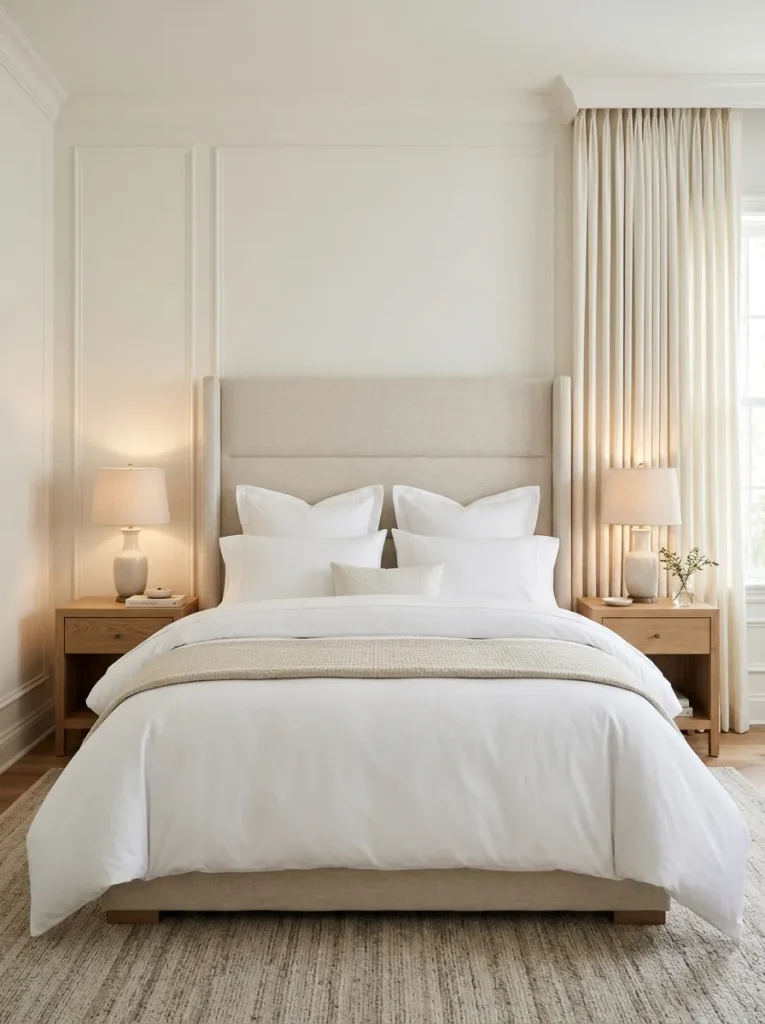
Crisp sheets, a neatly arranged duvet, coordinated pillows and a folded coverlet create a calm, hotel inspired finish. Matching bedside lamps and uncluttered nightstands reinforce the balanced appearance.
Start with clean, comfortable bedding rather than expensive decorative accessories. Use two sleeping pillows per person if preferred, then add a smaller pair of accent cushions and one folded throw. Smooth the duvet and keep the color palette consistent with the curtains or headboard. The goal is a bed that looks inviting but remains easy to make each morning.
CONCLUSION
Creating a bedroom you love doesn’t require a complete renovation or an unlimited budget. The right colors, layered textures, thoughtful lighting and practical furniture choices can make your space feel more comfortable and beautifully finished. These Bedroom Design Ideas offer plenty of inspiration, whether you’re planning a full makeover or starting with one simple update. Choose the ideas that fit your style, work with what you already have and make changes at your own pace. Save this article on Pinterest for future inspiration, try your favorite ideas and share it with someone planning a bedroom refresh. Your coziest space can start with one small change.
One Comment