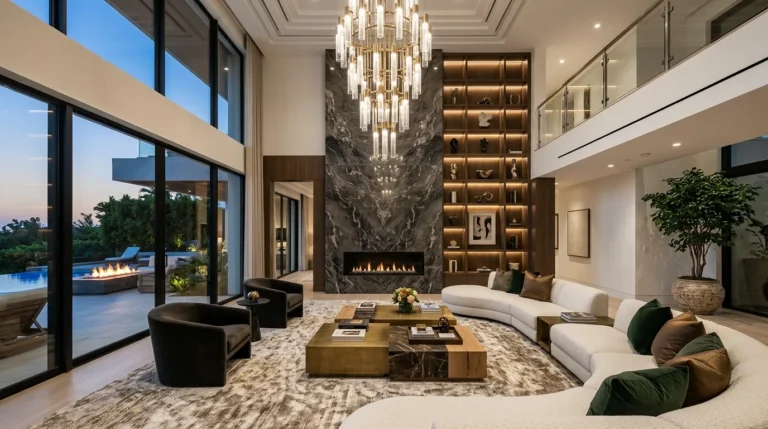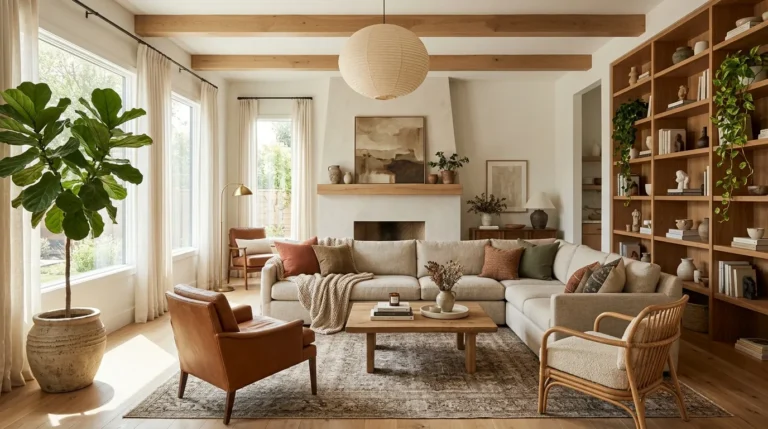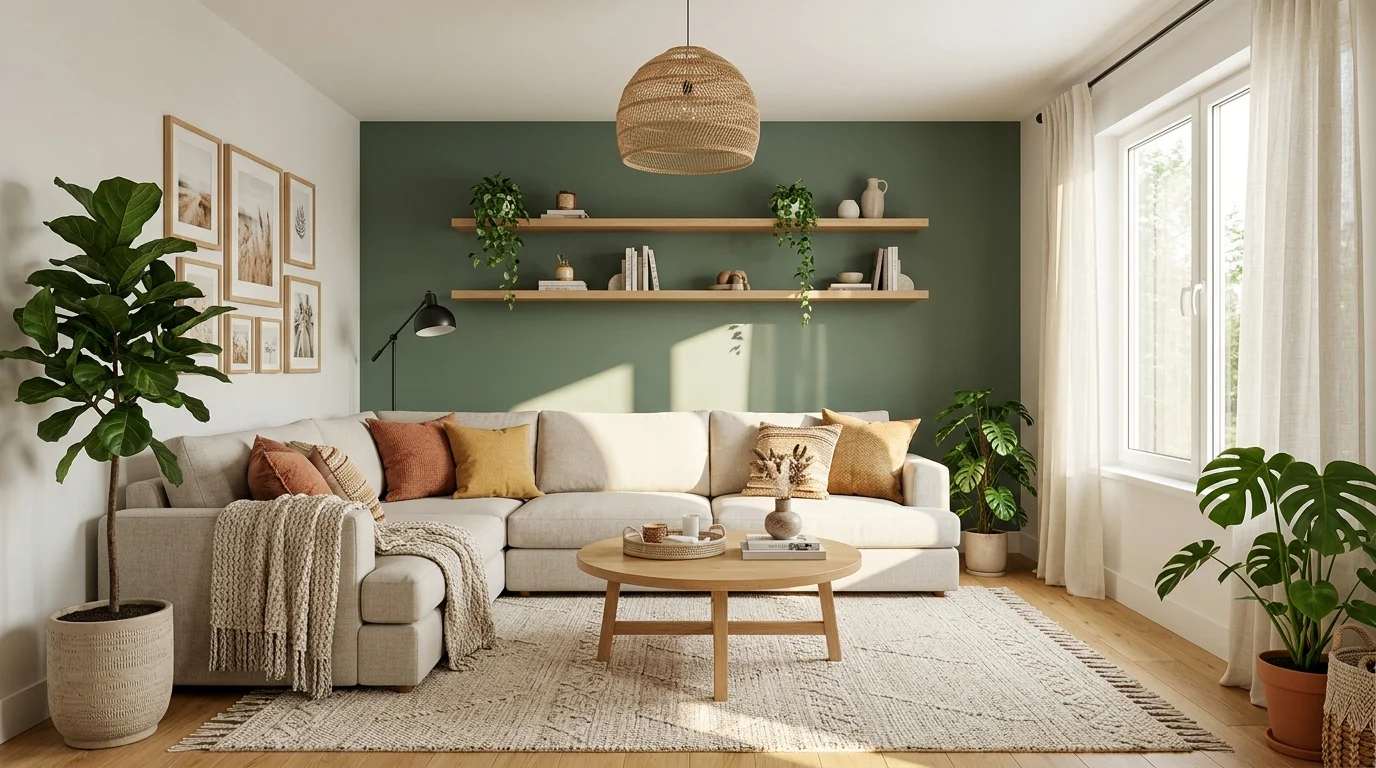
27 Modern Living Room Ideas That Feel Polished and Warm
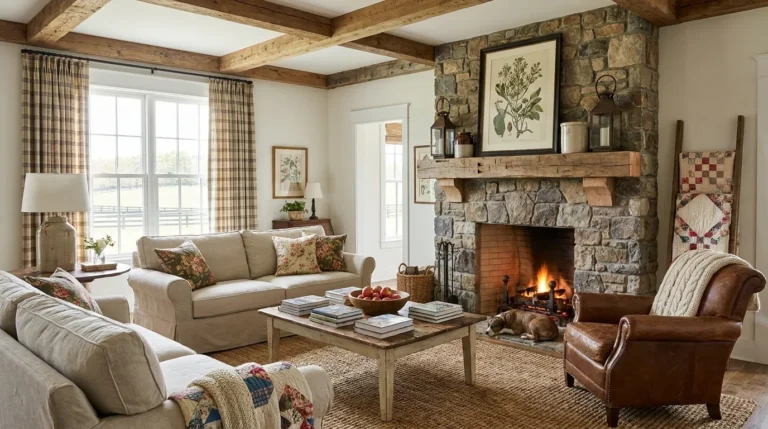
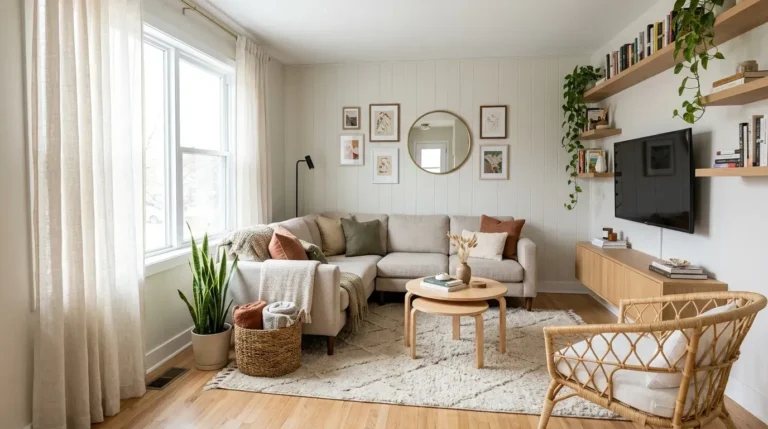
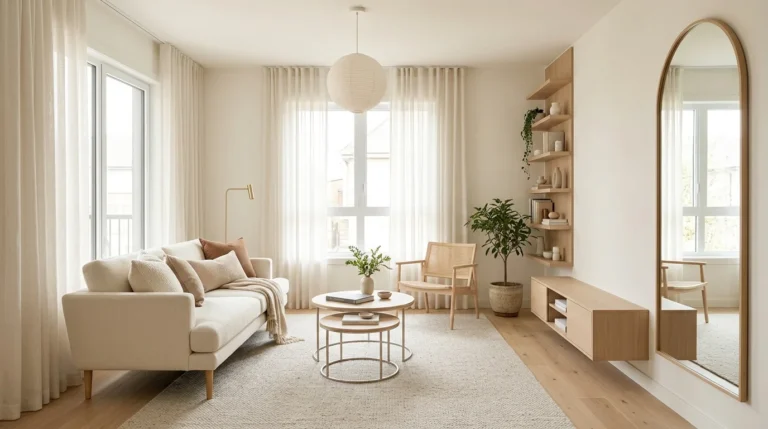
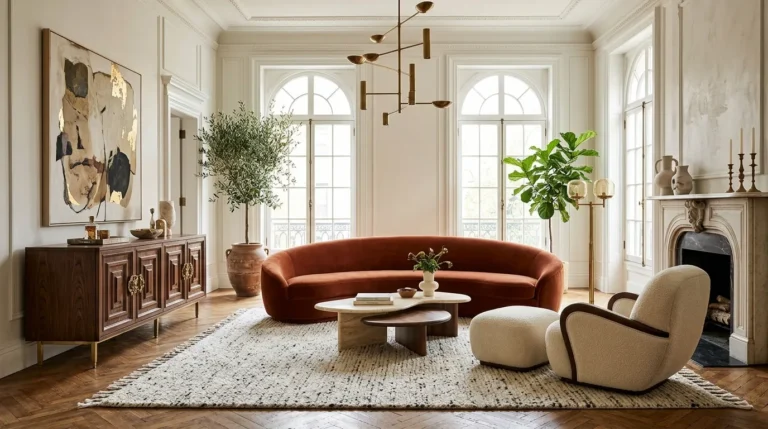
A modern living room can look stylish without feeling cold, formal, or uncomfortable. The secret is finding the right balance between clean lines, cozy textures and warm colors.
These 27 Modern Living Room Ideas will help you create a space that feels polished, inviting and personal, whether you’re decorating a small apartment or refreshing a spacious family room. From soft neutral palettes and natural wood accents to statement lighting and clever furniture arrangements, each idea offers practical inspiration you can adapt to your home.
You don’t need to replace every piece of furniture or spend a fortune to achieve a beautiful result. Small changes, such as layering cushions, choosing a larger rug, or adding warm lighting, can make a noticeable difference. I’ve found that combining a few thoughtful details often creates a more cohesive look than filling a room with new decor. Explore these ideas, save your favorites and discover simple ways to make your living room feel like home.
Neutral Color Palette
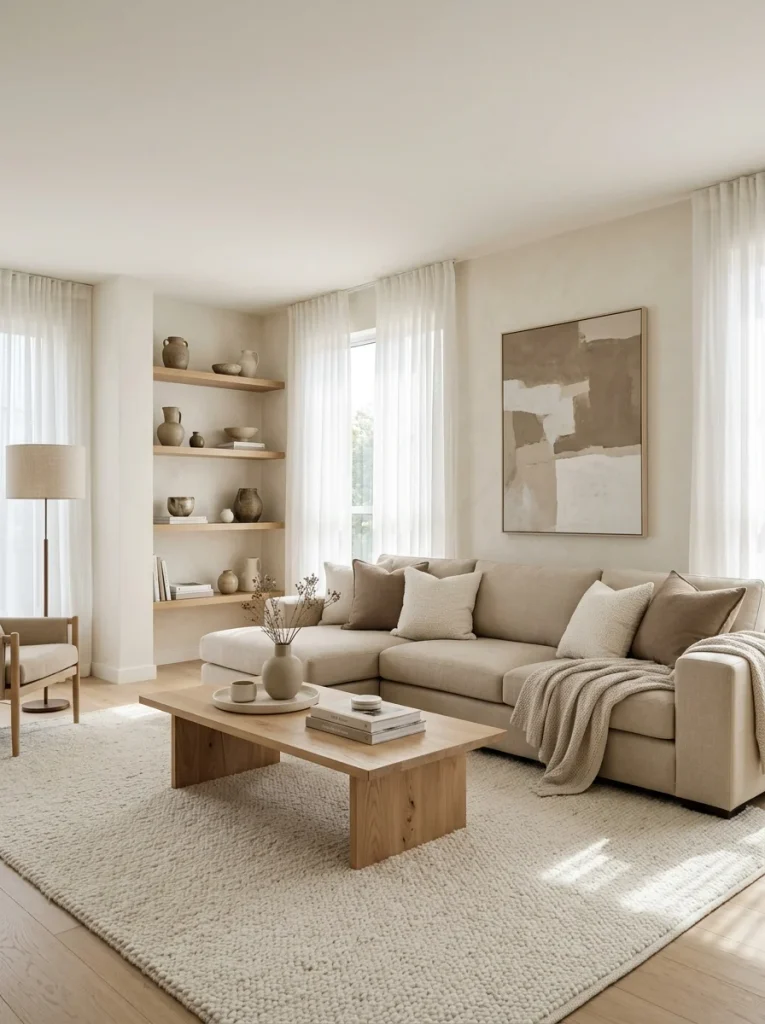
Warm neutrals make a living room feel peaceful, welcoming and timeless. Start with ivory walls, a beige sofa and a light rug to create a soft foundation. These colors work together beautifully without making the space feel plain or overly formal.
For added depth, mix linen cushions, a knitted throw, natural wood and matte ceramic accessories. I’ve noticed that rooms with several subtle textures often feel more inviting than rooms that rely on color alone. Keep the largest pieces neutral, then introduce small accents in caramel, taupe, or warm brown.
Layered Textures
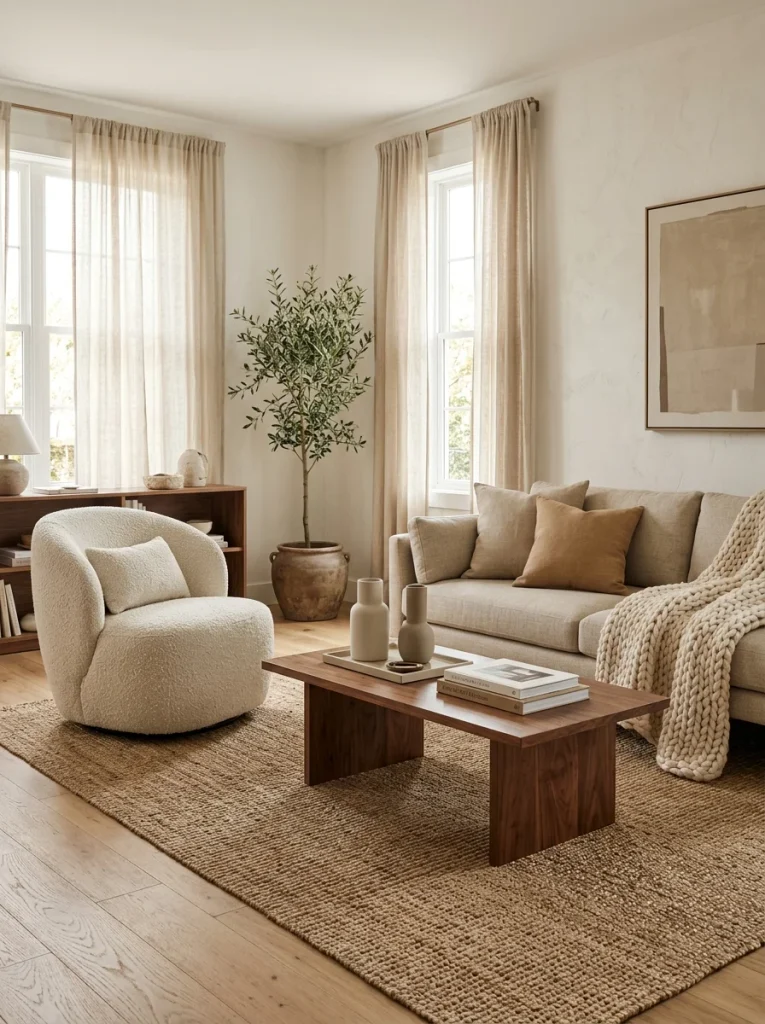
Texture gives a simple living room more character without requiring bold colors or expensive furniture. Combining soft fabrics, natural materials and contrasting finishes creates a layered look that feels comfortable and thoughtfully arranged.
- Soft upholstery: Choose linen, cotton, or boucle for comfortable seating.
- Natural flooring: Add a jute or wool rug to ground the furniture.
- Cozy accents: Drape a knitted throw over one sofa arm.
- Wooden details: Introduce a timber coffee table or side table.
- Ceramic accessories: Combine matte vases with smooth decorative objects.
Build these layers gradually rather than purchasing everything at once. A neutral sofa, two textured cushions and a soft rug can provide plenty of depth. Keep the larger furniture pieces simple, then use smaller accessories to introduce variety without making the room feel cluttered.
Warm Wood Accents
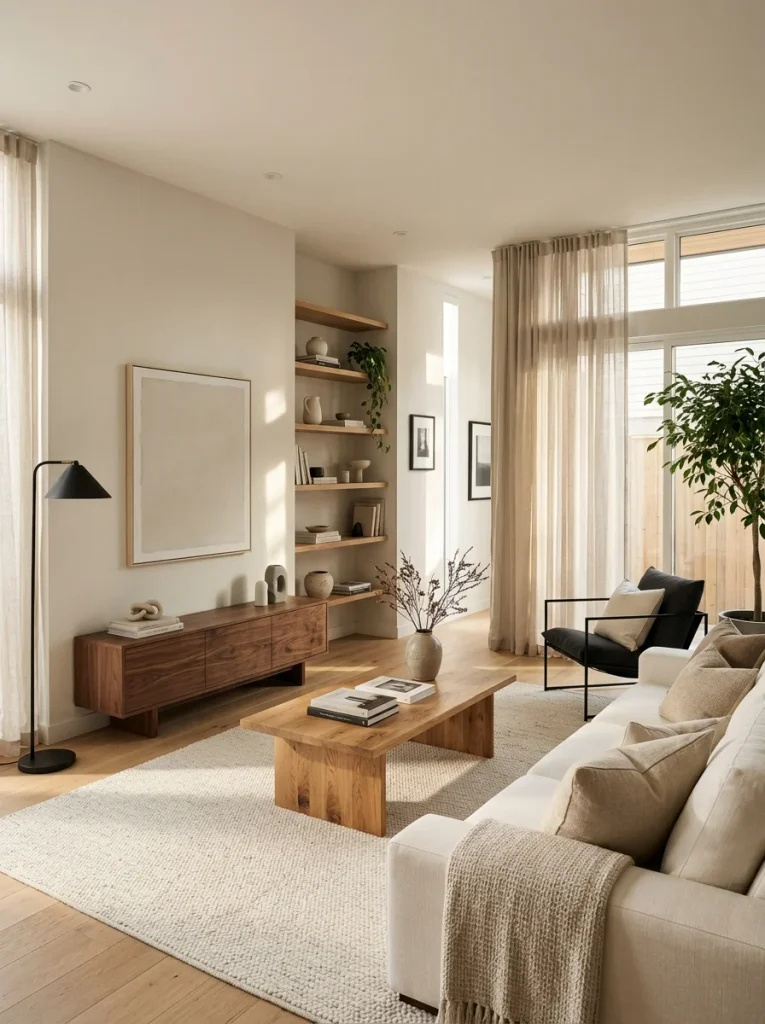
Natural wood softens modern interiors and makes sleek furniture feel more welcoming. Its organic grain adds visual interest to rooms with white walls, pale upholstery, or simple architectural details.
Quick Tip:
Choose one dominant wood tone, such as oak or walnut and repeat it in two or three places. The finishes do not need to match perfectly, but compatible undertones help the room feel cohesive.
A wooden coffee table, media console, or pair of side tables can introduce enough warmth without overwhelming the space. If your furniture is mostly white or gray, start with smaller wooden pieces. Finish with a textured rug and warm lighting to create a balanced, inviting living area.
Statement Lighting
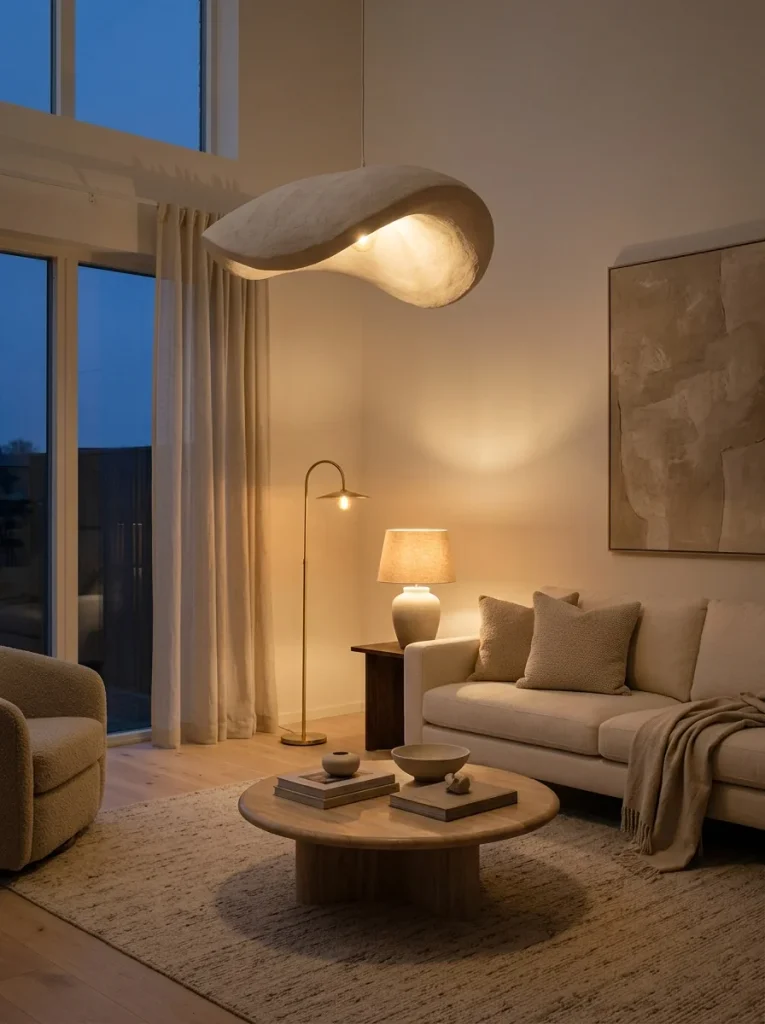
A striking light fixture can give a living room a focal point before you change anything else. Consider a sculptural pendant, oversized floor lamp, or chandelier with clean contemporary lines.
BEFORE
The room relies on one bright ceiling light, making the furniture and corners feel flat. Even attractive decor can look less inviting under harsh illumination.
AFTER
A statement pendant provides visual interest, while floor and table lamps create softer pools of light. The room feels more balanced and comfortable during the evening.
Choose bulbs with a warm color temperature, generally around 2700K to 3000K, for a cozy residential atmosphere. Make sure the fixture suits the room’s scale and ceiling height. In smaller spaces, an elegant floor lamp can provide a similar focal point without requiring electrical work.
Curved Furniture
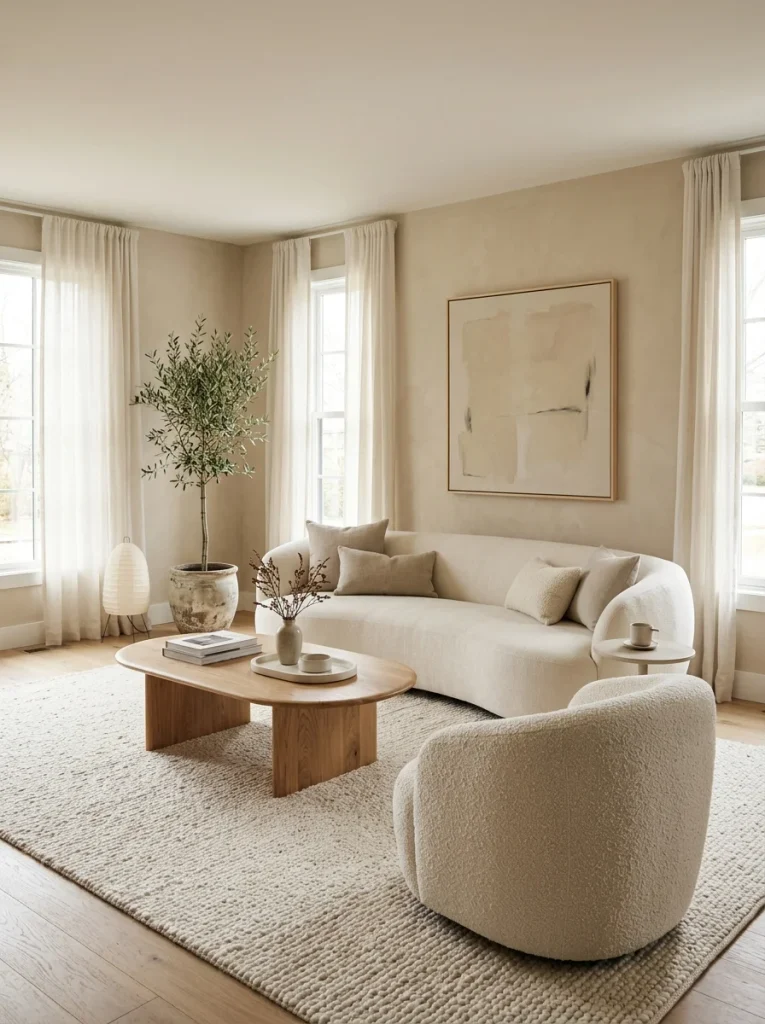
Rounded furniture introduces softness into rooms dominated by straight walls, rectangular windows and angular cabinetry. Its gentle silhouettes help a modern living room feel less rigid while preserving a clean, sophisticated appearance.
- Choose a focal piece: Start with a curved sofa or rounded accent chair.
- Balance the shape: Pair it with an oval or circular coffee table.
- Keep the palette simple: Use cream, beige, oak, or muted brown.
- Allow breathing room: Leave enough space to walk comfortably around the furniture.
Curves work particularly well in open living areas where furniture helps define the seating zone. You do not need a completely rounded furniture set. One curved sofa or chair can provide sufficient contrast against straight-lined shelving and rectangular rugs.
Minimalist Styling
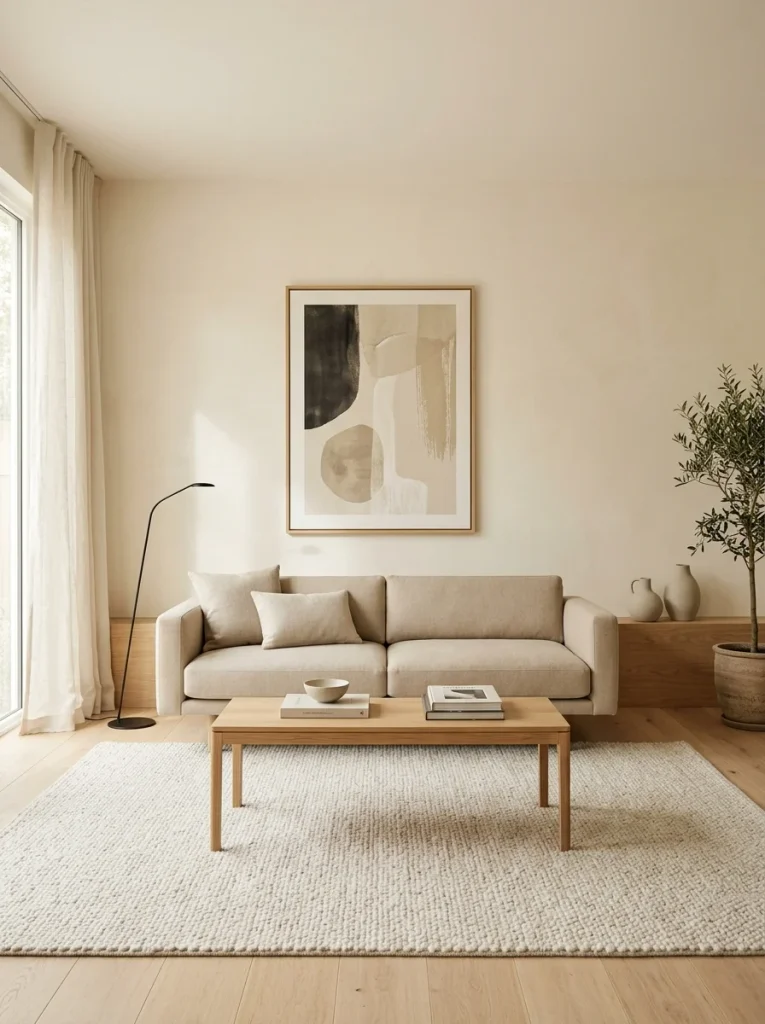
Minimalist styling makes a living room feel more spacious by giving every object room to stand out. Instead of filling shelves and tables with decorations, choose a few pieces that serve a clear purpose or contribute meaningful visual interest.
| Option | Cluttered Styling | Minimalist Styling |
|---|---|---|
| Coffee table | Many small accessories | One tray and a vase |
| Shelving | Objects on every shelf | Selected books and decor |
| Color palette | Many competing shades | Three or four coordinated colors |
| Furniture | Oversized, crowded pieces | Practical furniture with open space |
Start by removing items you rarely use, then rearrange what remains. Keep everyday essentials accessible and store less attractive items in baskets or closed cabinets. Minimalism does not mean living without personality. A favorite artwork, handmade bowl, or meaningful book collection can make the room feel personal while maintaining visual calm.
Oversized Area Rugs
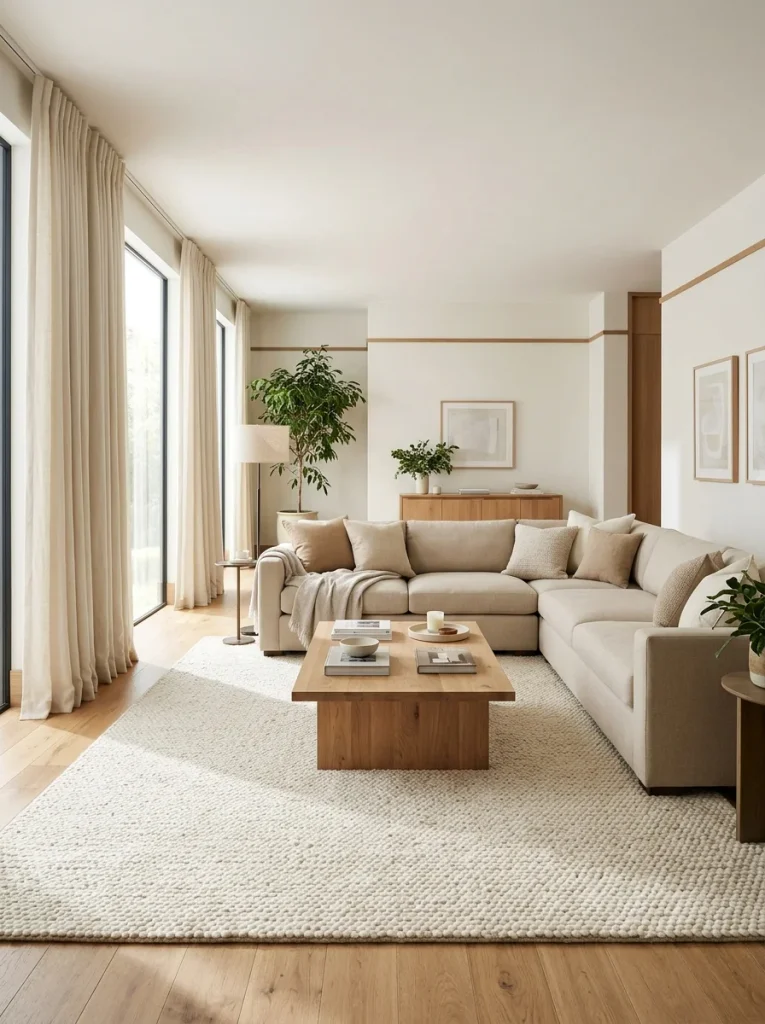
An appropriately sized rug helps connect furniture and makes a living room feel more intentional. A rug that is too small can make even a spacious room look disconnected, with each piece of furniture appearing to float separately.
DO
- Choose a rug large enough to sit beneath at least the front legs of the main seating pieces.
- Leave a visible border of flooring around the rug.
- Select a durable weave suited to your household’s daily activity.
- Repeat one rug color in cushions or nearby accessories.
DON’T
- Choose a tiny rug that sits only beneath the coffee table.
- Block doorways with thick rug edges.
- Ignore cleaning requirements in a home with pets or children.
- Use a busy pattern that competes with prominent upholstery.
Measure the seating area before shopping, then use painter’s tape to outline the intended rug dimensions on the floor. This inexpensive step helps you judge the proportions before making a purchase. Neutral rugs suit many interiors, while subtle stripes or geometric patterns can add interest without dominating the room.
Cozy Reading Nooks
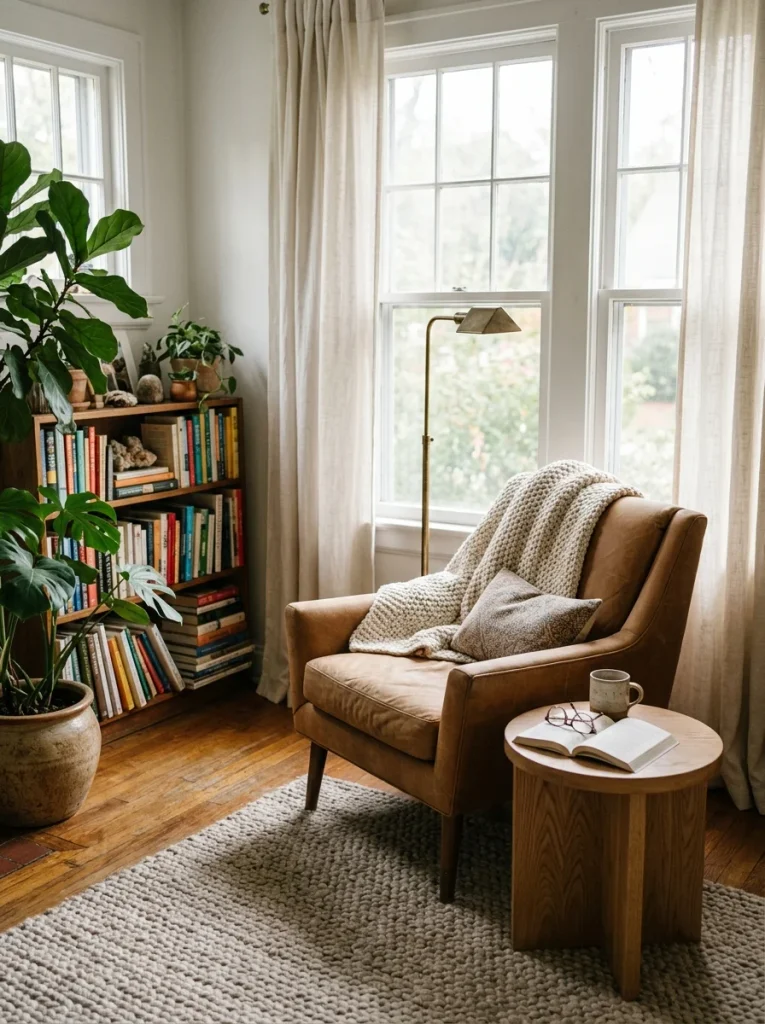
A dedicated reading corner gives your living room a useful second purpose without requiring a separate room. Even an unused corner beside a window can become a comfortable place to read, enjoy coffee, or take a quiet break.
Best for: Small apartments, open-plan living rooms and homes with unused corners.
Cost: Low to moderate, depending on whether you already own a chair and lamp.
Time: Around one afternoon for a simple setup.
Key pieces: A supportive chair, focused lighting, a small table and a soft throw.
Choose a chair that fits the available floor space and allows you to sit comfortably for more than a few minutes. Place the lamp where it illuminates your book without shining directly into your eyes. A small basket for magazines or blankets keeps the corner organized without adding bulky storage furniture.
Floor-to-Ceiling Curtains
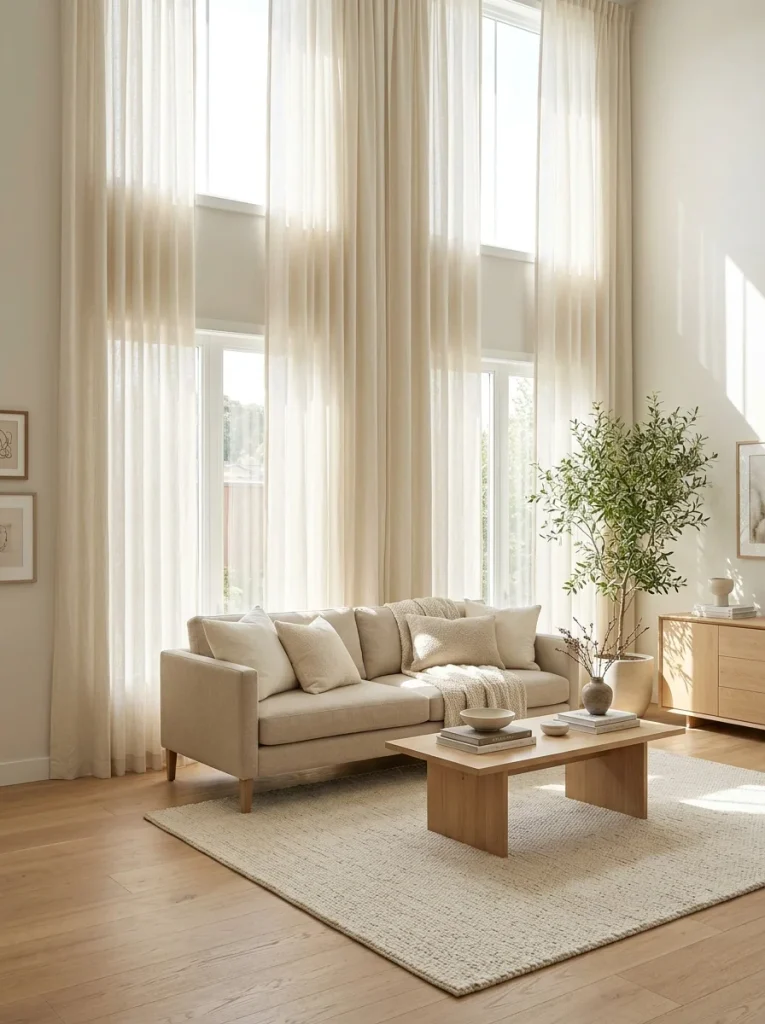
Full-length curtains can make a living room feel taller and more finished. Mounting the curtain rod higher than the window frame draws the eye upward, while wider placement allows the curtains to sit beside the glass rather than covering it.
For the best result, measure from the rod to the floor before purchasing panels. Curtains can gently touch the floor or hover just above it for easier cleaning. Choose linen or cotton blends for a relaxed appearance, or use heavier lined curtains when privacy and light control matter most.
In my experience, the fabric’s weight and the way it hangs often matter more than an elaborate pattern. Keep the color close to the wall shade for a quiet look, or choose warm taupe for subtle contrast.
Modern Gallery Walls
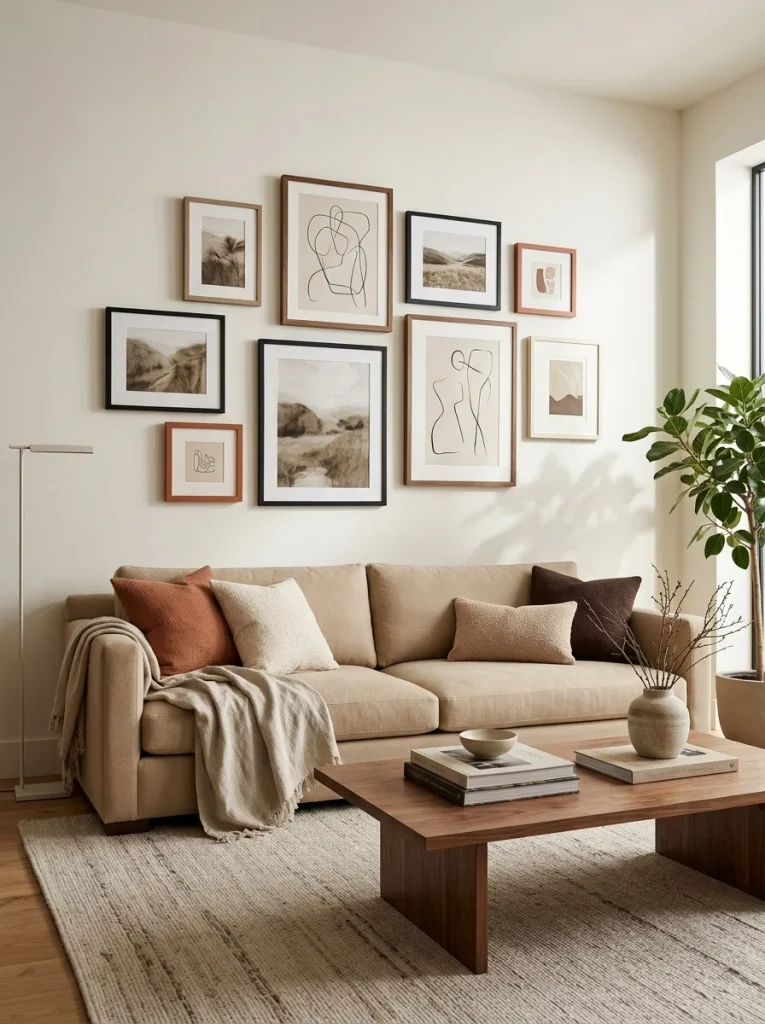
A gallery wall adds personality and gives a plain wall a clear visual purpose. The secret is choosing artwork that shares a consistent palette or style, even when the individual pieces are different.
- Select a palette: Combine black, cream, muted green, or terracotta.
- Mix artwork sizes: Use one larger print with several smaller pieces.
- Plan the layout: Arrange frames on the floor before hanging them.
- Maintain spacing: Keep gaps between frames relatively consistent.
- Anchor the arrangement: Center the gallery over the sofa or console.
Hang the collection at a height that relates comfortably to the furniture beneath it. If you rent your home, removable picture-hanging strips may help, provided they suit the frame weight and wall finish. A coordinated gallery wall can feel personal and polished without requiring expensive original artwork.
Earthy Accent Colors
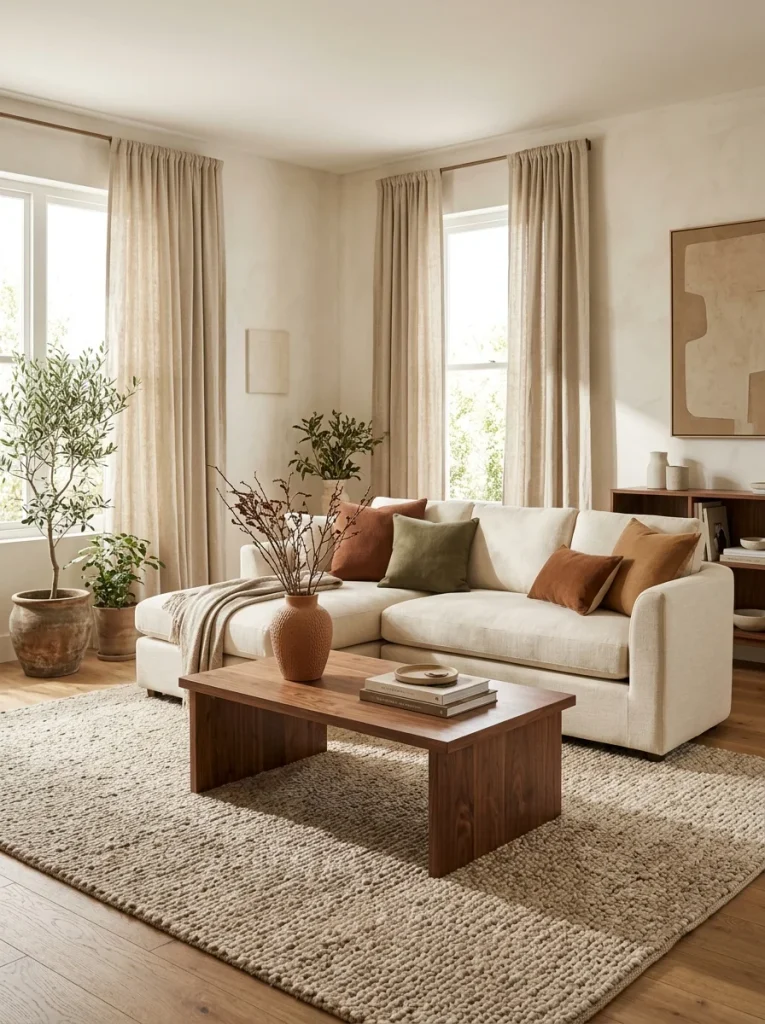
Earthy accent colors add warmth without making a living room feel visually overwhelming. Shades such as terracotta, olive green, rust, camel and muted brown work especially well with cream upholstery and natural wood.
Quick Tip:
Choose one main accent color and repeat it in three places, such as a cushion, artwork and ceramic accessory. Keep the remaining colors neutral so the accent feels intentional.
For example, rust-colored cushions can connect a beige sofa to a terracotta vase and an abstract print. Olive green works well in rooms with plants or warm timber furniture. Start with removable accessories before committing to painted walls or expensive upholstery. This approach makes it easier to adjust the palette as your preferences change.
Sculptural Coffee Tables
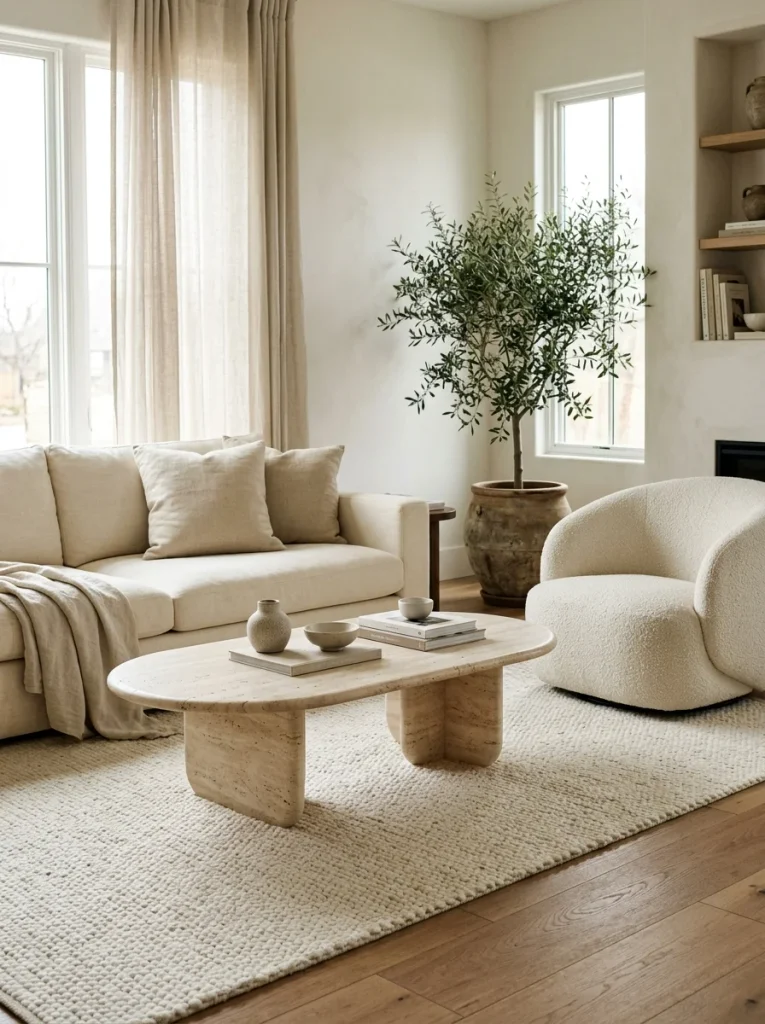
A sculptural coffee table can become the centerpiece of a living room without requiring additional decorations. Look for interesting proportions, rounded edges, fluted bases, or natural materials that add character to a simple seating arrangement.
BEFORE
A small, plain table feels disconnected from a large sofa. The room lacks a central feature and decorative objects appear scattered.
AFTER
A well-proportioned table anchors the seating area and creates a natural place for books, drinks and a decorative tray. Its shape introduces contrast against straight-lined furniture.
Measure the distance between the sofa and the table before choosing a replacement. A practical starting point is approximately 14 to 18 inches of clearance, adjusted for the room and walking paths. If you love stone or travertine but have a limited budget, consider wood or a stone-look finish with a similar silhouette.
Built-In Shelving
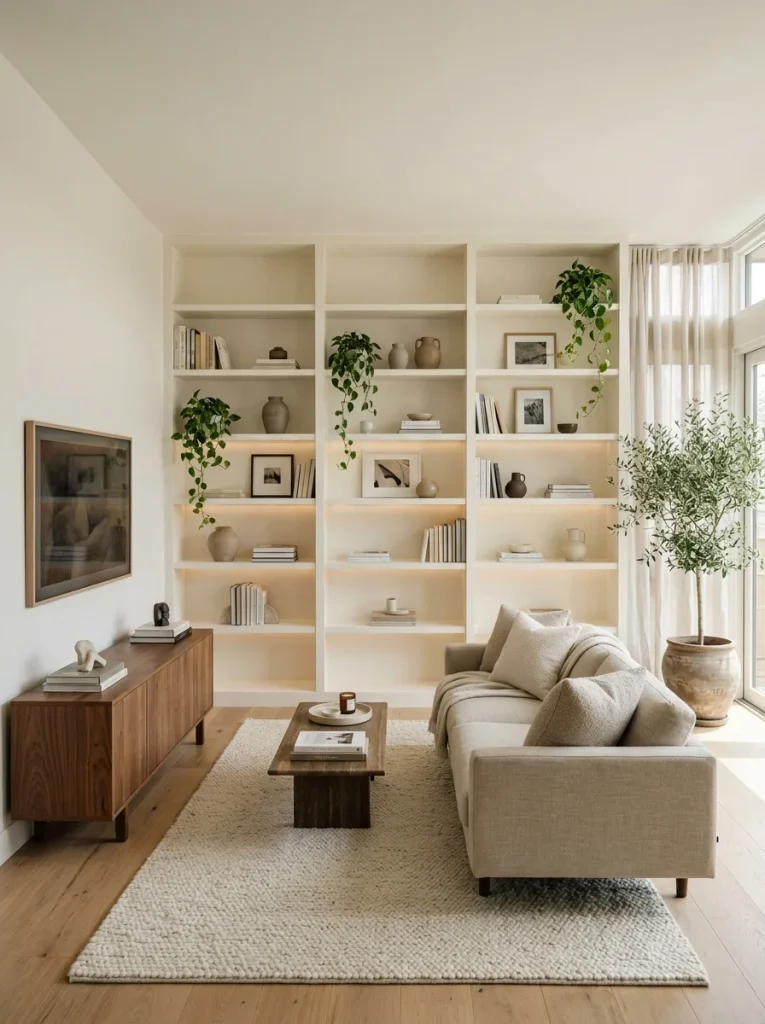
Built-in shelving provides practical storage while making a living room feel more architectural. It is particularly useful for displaying books, personal collections and decorative objects without scattering them across multiple small tables.
- Measure the wall: Identify the available width, height and depth.
- Plan storage needs: Decide how much space books and closed storage require.
- Choose a finish: Match the shelving to the walls or coordinate it with existing wood.
- Arrange in groups: Combine books, framed prints and a few sculptural objects.
- Leave empty space: Avoid filling every shelf from end to end.
If custom carpentry is outside your budget, tall bookcases can create a similar visual effect. Secure freestanding units to the wall where appropriate, especially in homes with children. Keep heavier objects on lower shelves and leave frequently used items within easy reach.
Soft Ambient Lighting
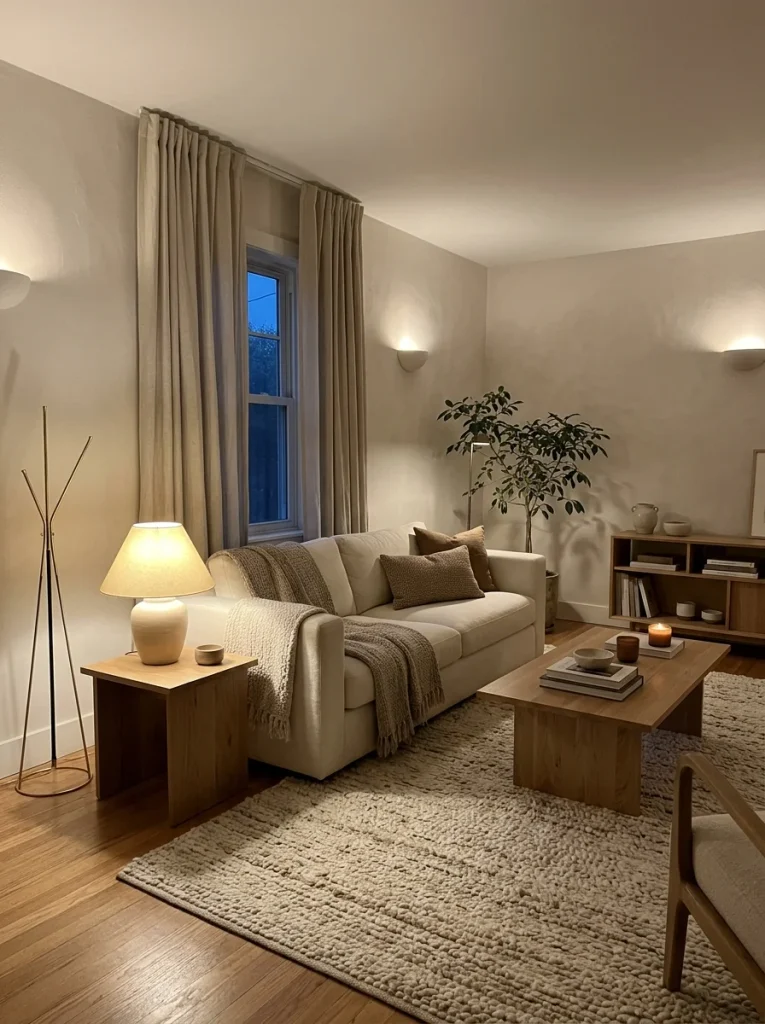
Soft ambient lighting makes a living room feel comfortable after sunset and reduces the harsh effect of relying on a single ceiling fixture. Several smaller light sources help create depth and make different parts of the room useful for different activities.
DO
- Use warm-white bulbs around 2700K to 3000K for a cozy atmosphere.
- Place a floor lamp beside a reading chair.
- Add a table lamp to a console or side table.
- Consider dimmable bulbs where the fixtures support them.
DON’T
- Depend entirely on a bright overhead light.
- Place lamps where cords create tripping hazards.
- Use bulbs that are too bright for relaxing evenings.
- Ignore task lighting for reading or detailed activities.
Think about how the room functions at different times of day. Bright daytime light may be sufficient for most activities, while layered lamps create a more relaxed setting at night. Select fixtures with compatible bulbs and shades that diffuse light comfortably rather than directing glare into the seating area.
Mixed Material Finishes
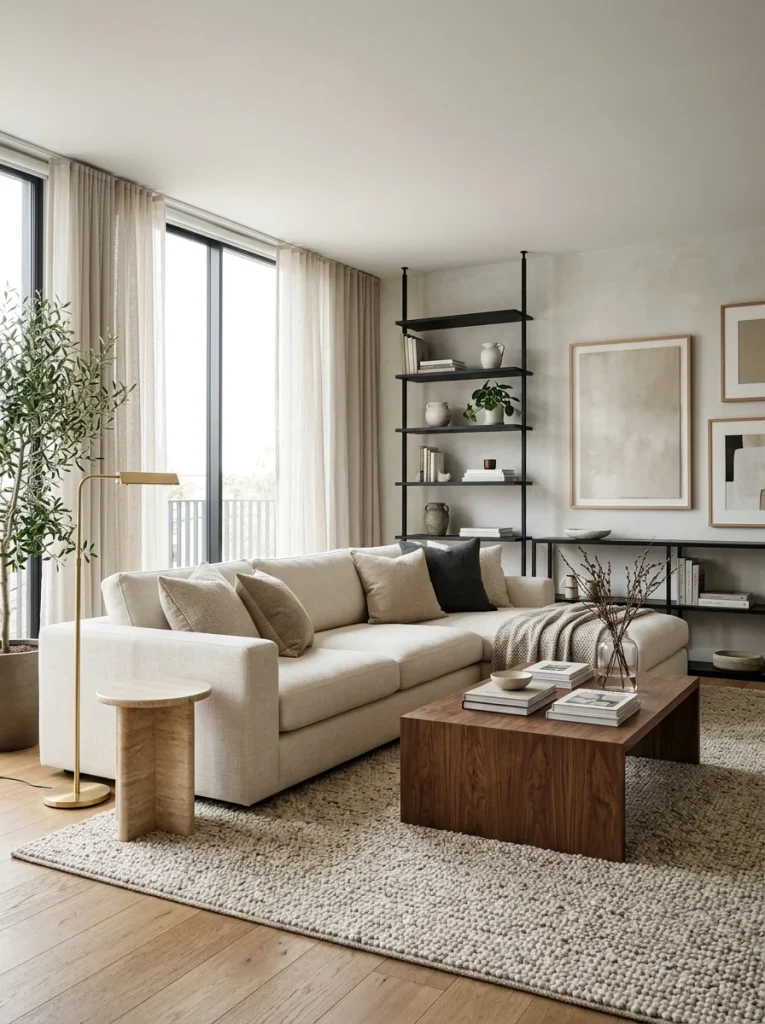
Mixing materials gives a living room visual variety while keeping the overall design simple. Wood introduces warmth, metal adds definition, stone creates a substantial focal point and fabric softens harder surfaces.
| Design Element | Option A | Option B |
|---|---|---|
| Metal finish | Matte black for contrast | Brass for warmth |
| Table surface | Natural wood for softness | Stone for a refined look |
| Upholstery | Linen for relaxed texture | Velvet for a richer finish |
| Decorative accents | Ceramic for a handmade feel | Glass for visual lightness |
Choose two or three dominant materials, then repeat them throughout the room. For example, pair walnut furniture with black metal details and soft linen upholstery. This creates contrast without making the space feel busy. Small accents can introduce a fourth material when needed, but consistency matters more than using every finish you like.
Low-Profile Furniture
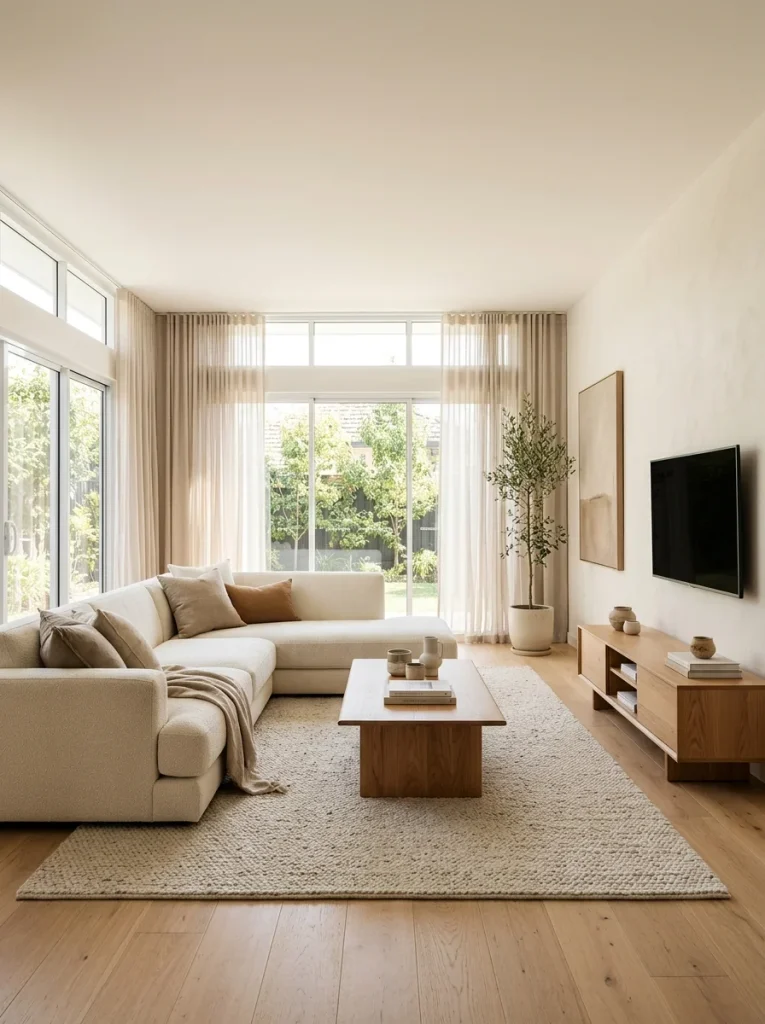
Low-profile furniture creates a relaxed, contemporary look and can help a room feel less crowded. Lower sofas and streamlined cabinets leave more visible wall space, which is particularly helpful in smaller living rooms.
Quick Tip:
Before buying a low sofa, check the seat height and depth. A very low seat may look stylish but can be uncomfortable for anyone who struggles to stand up easily.
Balance low furniture with a few vertical elements, such as tall curtains, a floor lamp, or a slender plant. This prevents the room from feeling visually flat. Keep pathways clear and choose a coffee table that is comfortable to reach from the sofa. The result is a grounded, modern arrangement that feels open without sacrificing everyday comfort.
Natural Stone Details
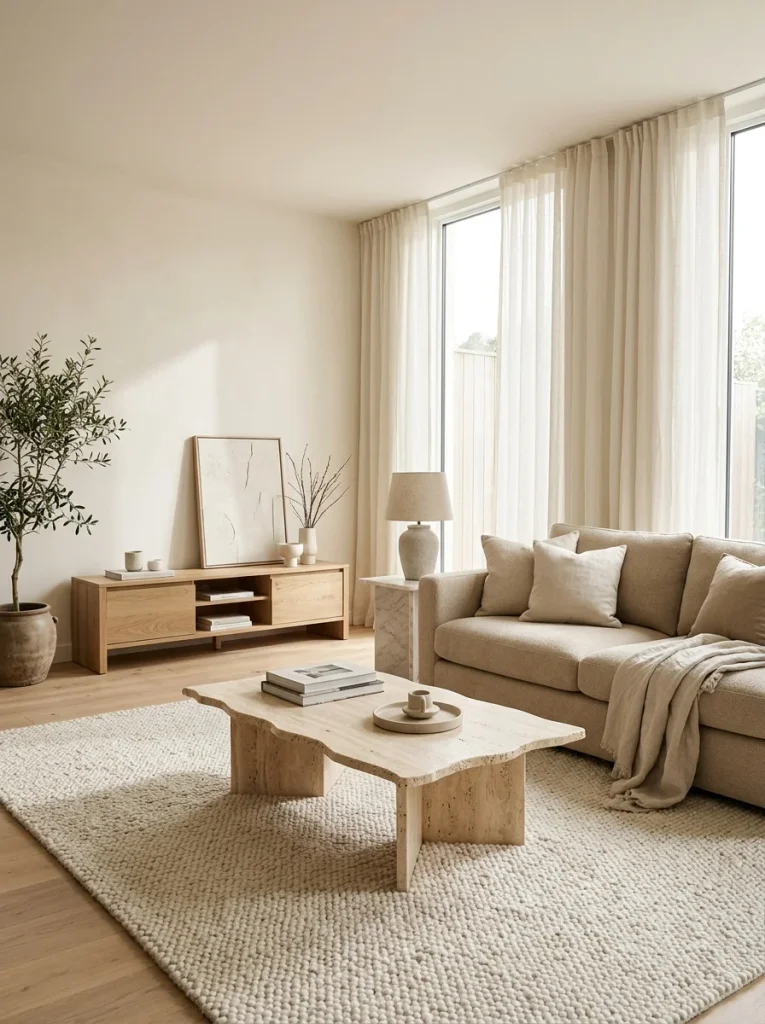
Natural stone adds texture and a sense of permanence to contemporary interiors. Travertine, marble and other stone finishes introduce subtle patterns that contrast beautifully with plain upholstery and simple wooden furniture.
- Coffee tables: Use stone as a central visual feature.
- Side tables: Introduce a smaller stone surface without overwhelming the room.
- Decorative trays: Try a stone tray for candles or small accessories.
- Vases: Add a sculptural stone or stone-look object to a console.
Real stone can be expensive and may require special care, depending on the material and finish. If you want the appearance on a smaller budget, explore stone-look ceramic, laminate, or composite surfaces. Check weight, maintenance requirements and resistance to staining before buying. A single stone detail often provides enough contrast for a balanced modern room.
Indoor Greenery
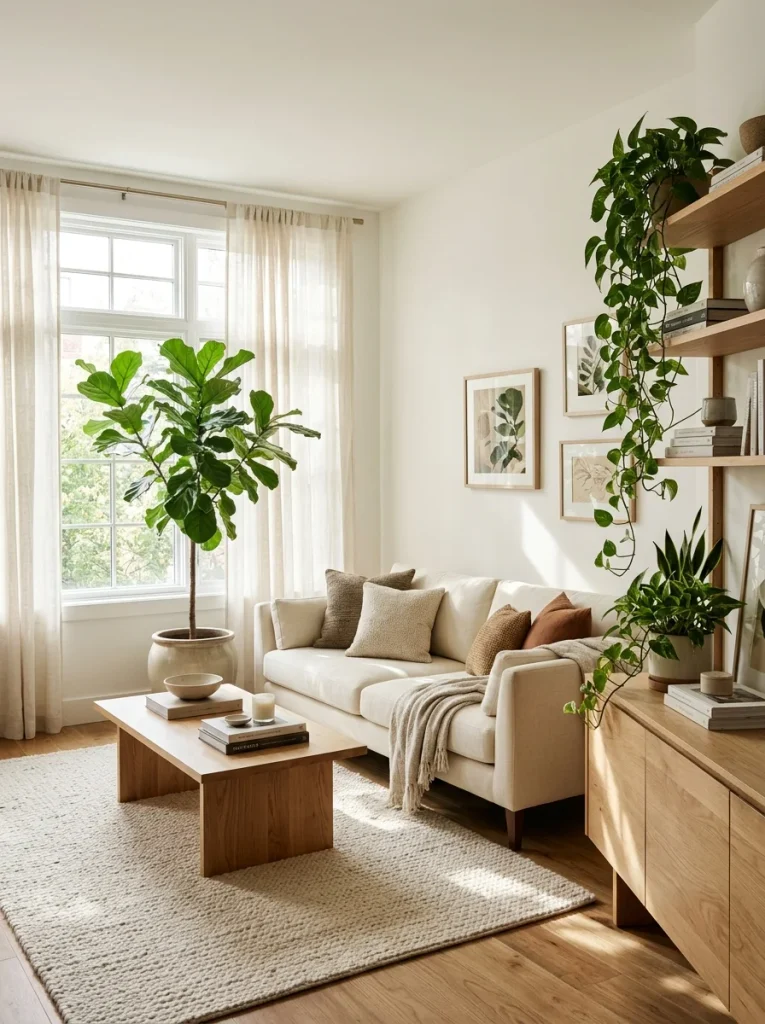
Indoor plants introduce natural color and soften the clean lines of modern furniture. Their leaves provide contrast against neutral walls, while different heights help a room feel more layered and connected to nature.
Best for: Neutral living rooms that need color, texture, or a more organic feel.
Cost: Low to moderate, depending on plant size and variety.
Care level: Choose according to the available light and your watering routine.
Placement: Try a tall plant near a bright window, a small plant on a console, or a trailing variety on a suitable shelf.
Check the light conditions before choosing a plant rather than selecting one based only on appearance. Keep foliage away from obstructed walkways and consider pet safety if animals share your home. A few healthy plants usually look more effective than many struggling ones crowded together.
Textured Accent Walls
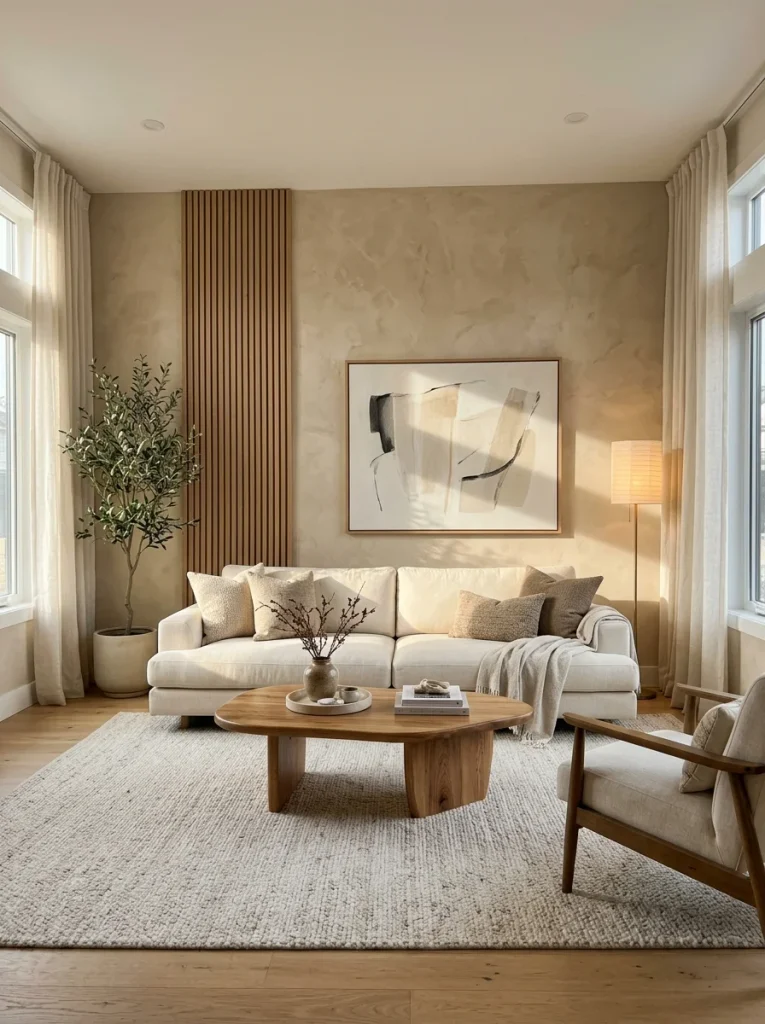
A textured accent wall creates interest without requiring bold wallpaper or a complicated color scheme. Finishes such as limewash-style paint, subtle plaster effects, or narrow wood panels add depth while keeping the room visually calm.
BEFORE
A plain wall behind the sofa feels empty, even though the furniture and accessories are attractive. Adding more small decorations may create clutter without solving the problem.
AFTER
A textured finish gives the wall a defined role in the room. The sofa becomes a clearer focal point and simple artwork or lighting can complete the arrangement.
Choose a wall that naturally draws attention, such as the one behind the sofa or media console. Test paint samples under both daylight and evening lighting because undertones can change noticeably. If you rent, removable wallpaper or freestanding wood screens may provide a less permanent alternative.
Elegant Black Accents
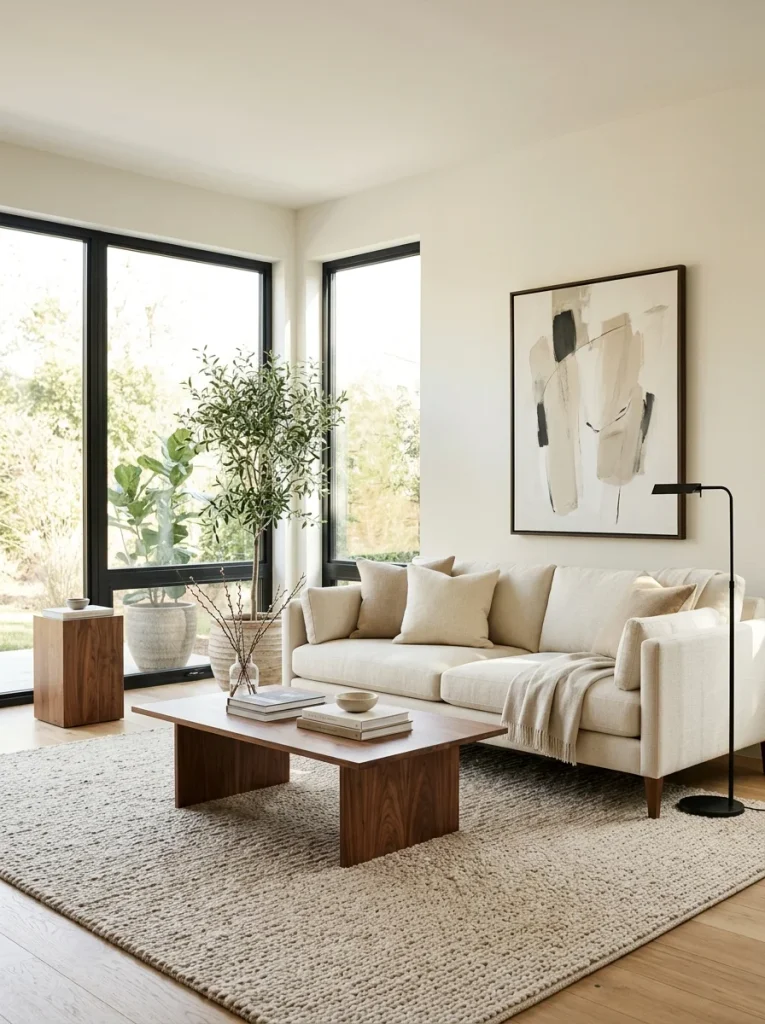
Black accents add definition to a neutral living room and help different elements feel visually connected. A dark lamp, picture frame, or table base can stand out against cream walls and pale upholstery without making the space feel dark.
DO
- Repeat black in two or three small details.
- Pair dark finishes with warm wood and soft fabrics.
- Use a black frame to give artwork a clear outline.
- Keep larger surfaces light if you want an airy result.
DON’T
- Introduce too many unrelated dark accessories.
- Choose oversized black furniture that overwhelms a small room.
- Ignore the existing metal finishes in the space.
- Use strong contrast without balancing it with softer materials.
Start with accessories that are easy to replace, such as a lamp, picture frame, or decorative bowl. If the result feels too stark, add warm beige textiles and natural wood. This creates a balanced palette that feels contemporary without becoming overly industrial or formal.
Open-Plan Layouts
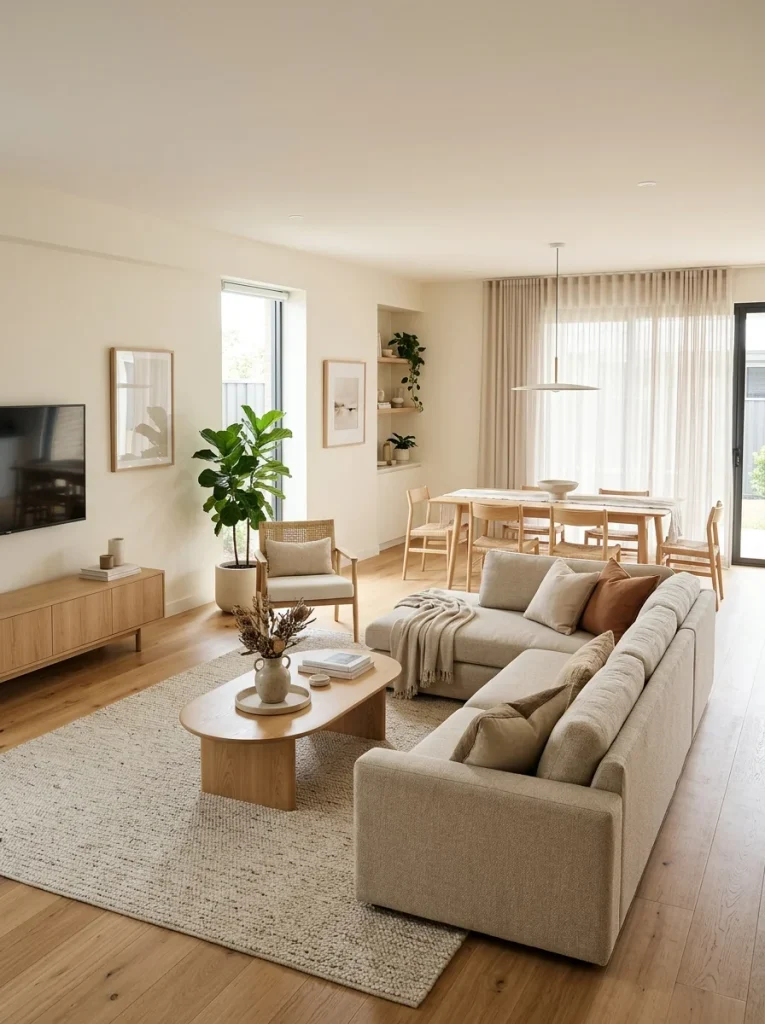
Open-plan living rooms work best when each area has a clear purpose without feeling separated from the rest of the home. Furniture placement, rugs, lighting and consistent finishes can define the zones while maintaining an open flow.
- Identify the zones: Decide where the living, dining and circulation areas belong.
- Anchor the seating: Use a rug to define the living room.
- Position the sofa: Let the sofa face the main focal point or help separate the seating zone.
- Repeat materials: Use similar wood tones or accent colors across connected areas.
- Protect pathways: Leave clear routes between doors, seating and dining furniture.
Avoid pushing every piece of furniture against the walls simply to create open floor space. A sofa positioned thoughtfully within the room can make the layout feel more purposeful. Before moving heavy furniture, mark possible positions with tape to test the walking paths and overall proportions.
Vintage Modern Pieces
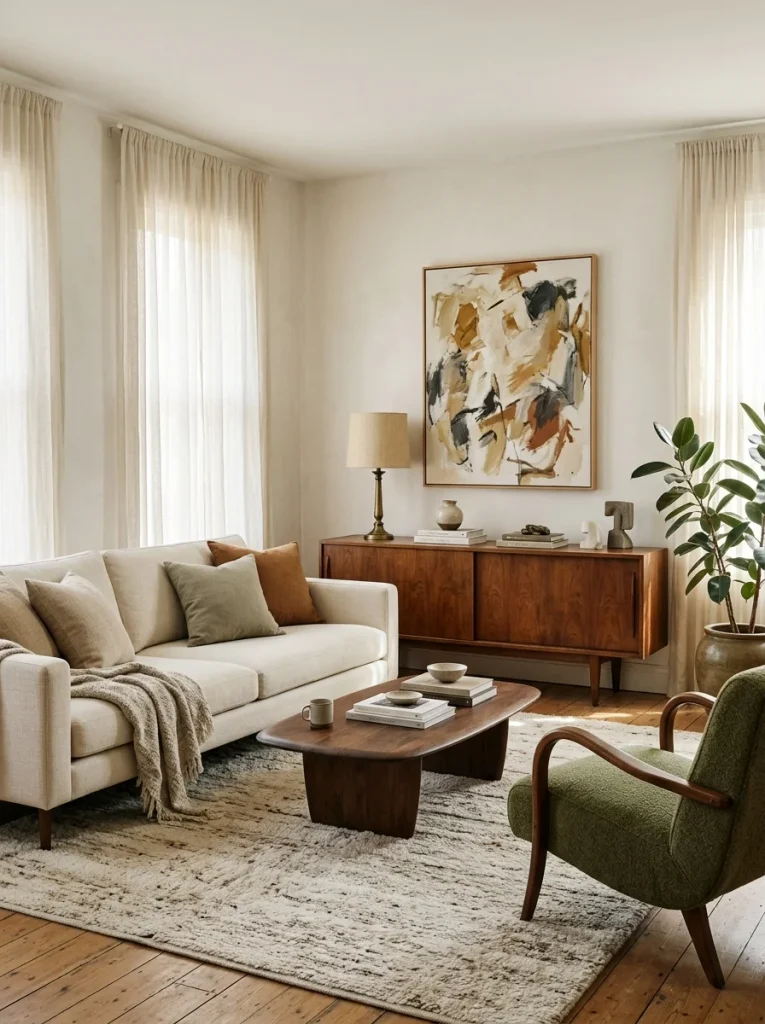
Vintage furniture adds personality to modern interiors because older pieces often have distinctive shapes, materials and finishes. Pairing one characterful item with simple contemporary furniture keeps the room from feeling either overly traditional or too generic.
Quick Tip:
Choose one vintage focal piece, such as a wooden sideboard, accent chair, or brass lamp. Repeat its color or material elsewhere so it feels connected to the rest of the room.
Check furniture stability, odors, surface damage and upholstery condition before purchasing secondhand pieces. A solid wooden cabinet may need only cleaning and minor repairs, while an upholstered chair could require more work. Keep the surrounding decor restrained so the vintage item can stand out. The mix feels most cohesive when the pieces share a compatible color palette or silhouette.
Layered Throw Pillows
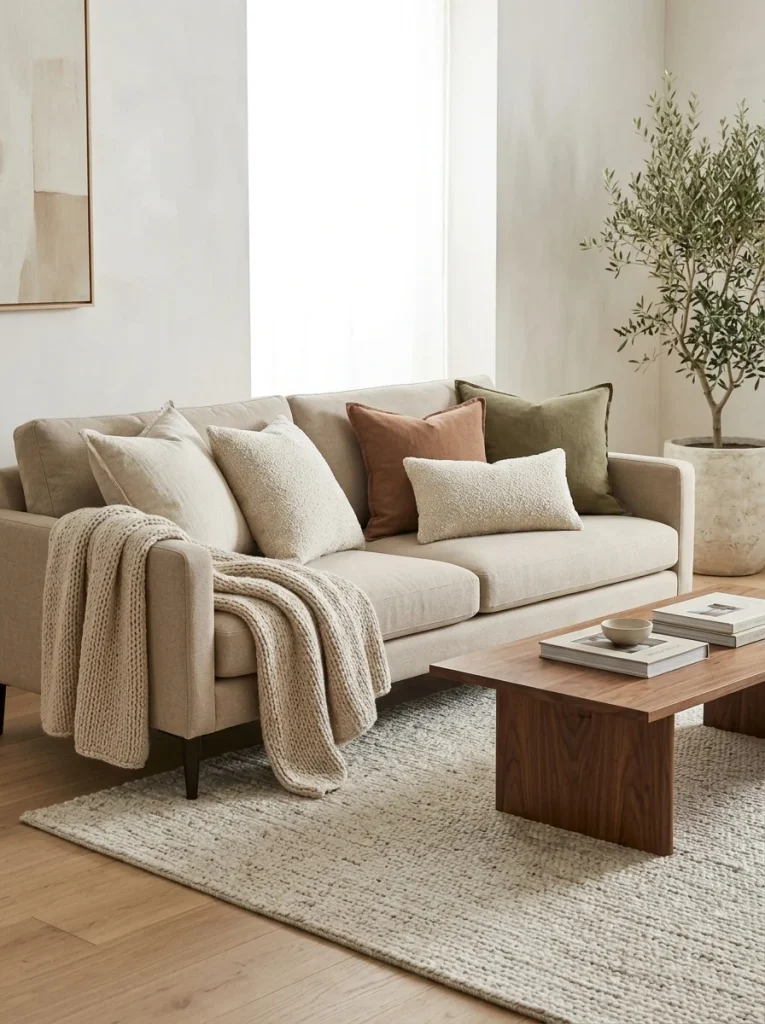
Throw pillows are an easy way to introduce color, texture and personality without replacing your main furniture. A thoughtful combination can make a plain sofa feel more finished while keeping the room comfortable for everyday use.
- Start with larger pillows: Use two substantial cushions at the back corners.
- Add texture: Include a boucle, woven, or linen cover.
- Introduce one accent color: Try rust, olive, caramel, or muted blue.
- Vary the shapes: Combine square cushions with one smaller lumbar pillow.
Keep the palette connected to the rug, curtains, or artwork. Too many competing patterns can make a sofa feel busy, so balance patterned cushions with solid colors. Choose removable covers if you want to change the look seasonally or need a practical way to manage everyday spills.
Floating Media Consoles
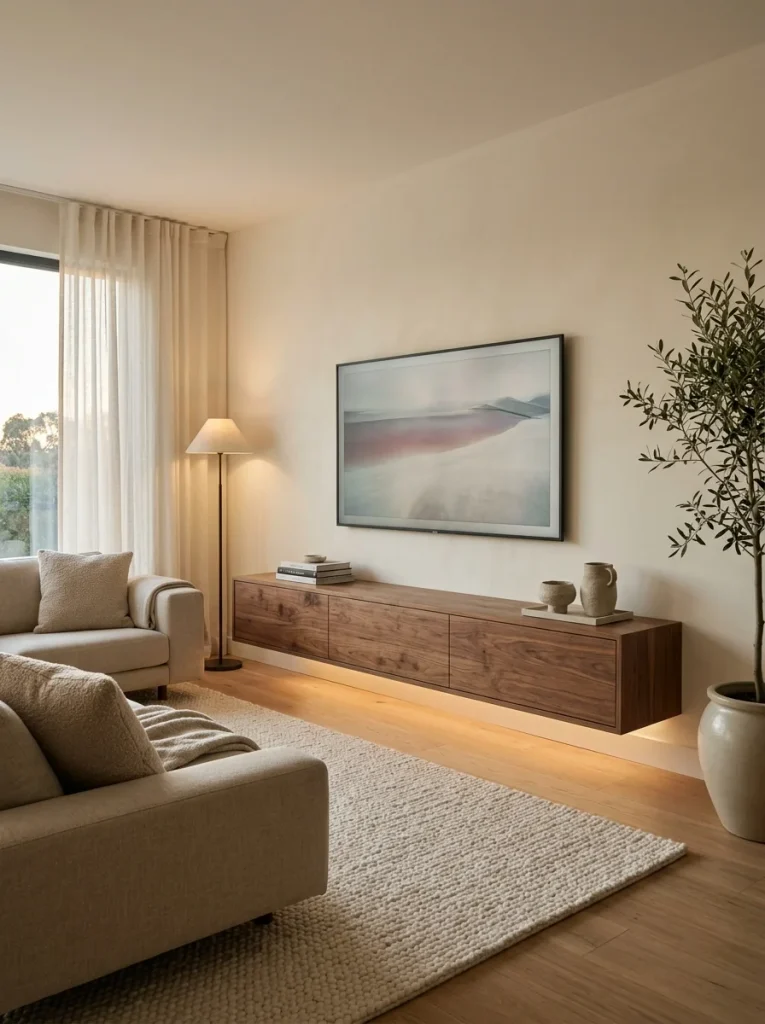
A floating media console creates a streamlined appearance by keeping the floor visible beneath the cabinet. It also provides useful storage for remotes, gaming accessories and other items that can otherwise make the television area look cluttered.
| Feature | Traditional Console | Floating Console |
|---|---|---|
| Floor space | Furniture legs or base occupy the floor | Open space beneath the cabinet |
| Cleaning | Dust may collect around the base | Easier access underneath |
| Installation | Often simpler to position | Requires suitable wall support |
| Storage | Depends on cabinet size | Depends on cabinet size and depth |
Measure the television wall and check the wall construction before choosing a floating unit. Heavy consoles need appropriate mounting hardware and secure support. Plan cable routes before installation so wires do not hang visibly beneath the screen. Keep accessories limited to a few useful objects to preserve the clean appearance.
Glass and Metal Details
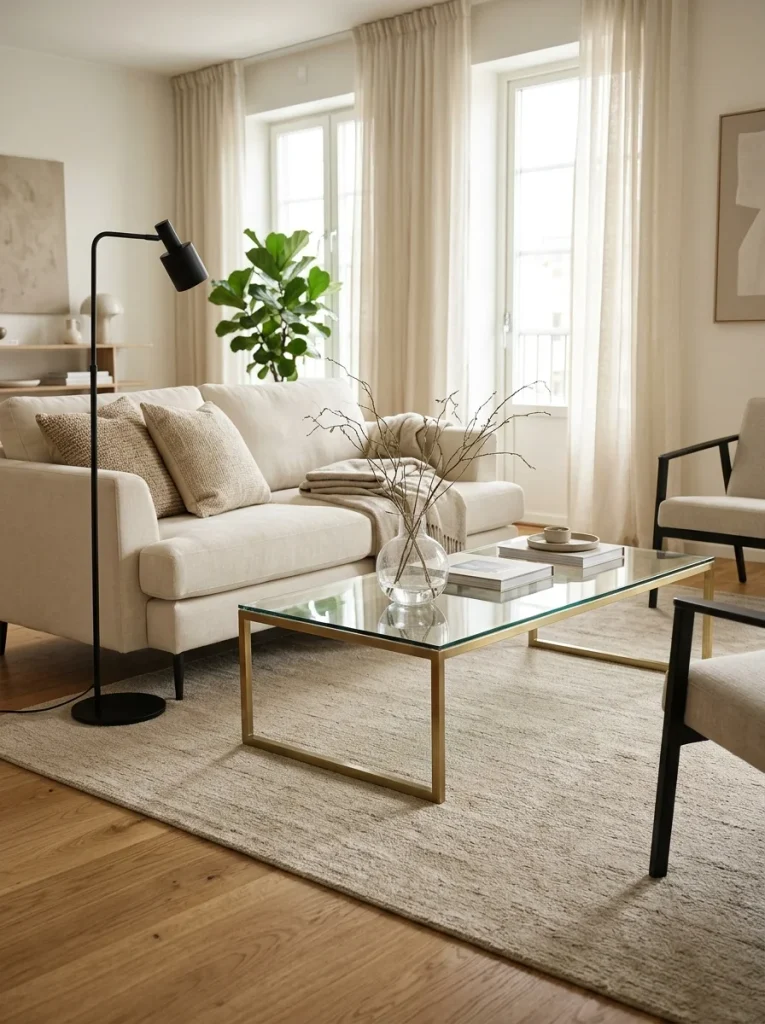
Glass and metal details introduce contrast without adding visual bulk. A glass coffee table keeps more of the rug visible, while slim metal frames provide definition against soft upholstery and warm wood.
Best for: Smaller living rooms, contemporary apartments and neutral interiors.
Cost: Low to high, depending on the furniture and finish.
Maintenance: Glass needs regular cleaning, while metal finishes may require gentle care.
Styling tip: Pair reflective surfaces with textured fabrics to prevent the room from feeling cold.
Use these materials selectively rather than making every furniture piece reflective. A glass-top table and one metal lamp may provide sufficient contrast. Check the stability of glass furniture and choose suitable safety glass, especially in homes with children. Warm wood, woven cushions and soft rugs help balance the harder surfaces.
Warm Minimalist Decor
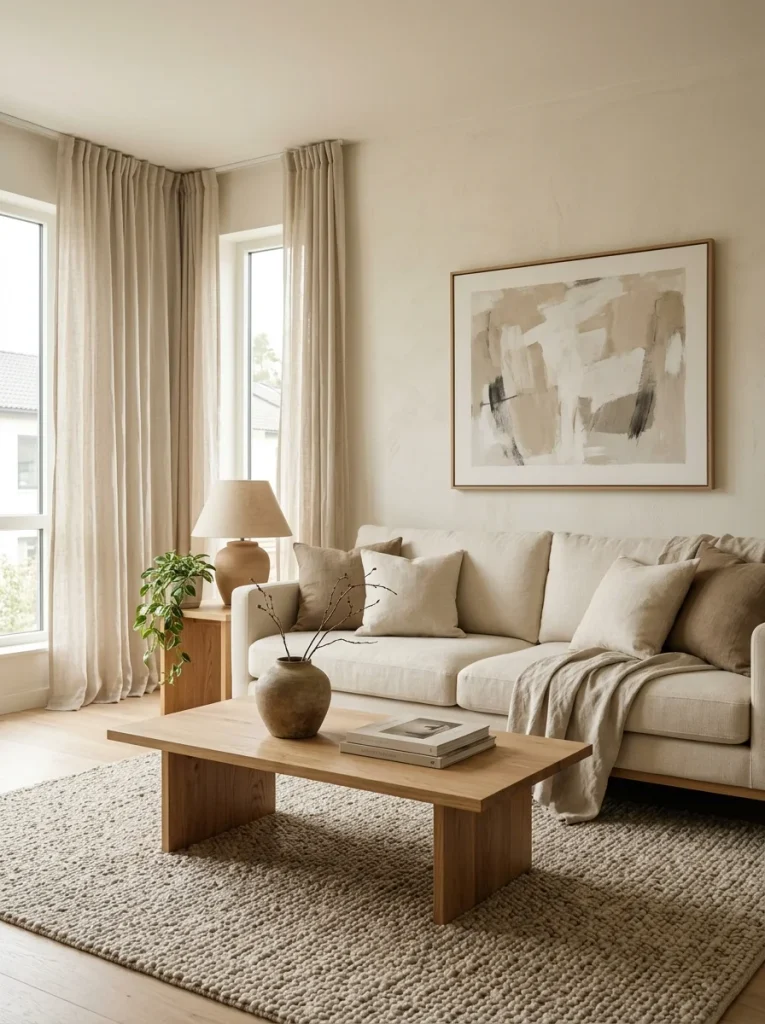
Warm minimalism combines simple forms with materials and colors that make a home feel comfortable. Instead of a stark white room with very few belongings, this approach uses natural wood, tactile fabrics, muted colors and meaningful decorative objects.
- Begin with a neutral base: Use cream, warm white, or soft beige.
- Choose functional furniture: Prioritize pieces that fit your routine and available space.
- Introduce natural materials: Add wood, linen, wool, or ceramic finishes.
- Edit the accessories: Display a few useful or meaningful objects.
- Add comfortable lighting: Use warm lamps for evening relaxation.
The key is keeping the room visually simple without removing everything that makes it personal. A favorite book, handmade vase, or framed photograph can provide character. Leave some empty surfaces and open shelving to balance the decorative pieces you decide to keep.
Balanced Furniture Layout
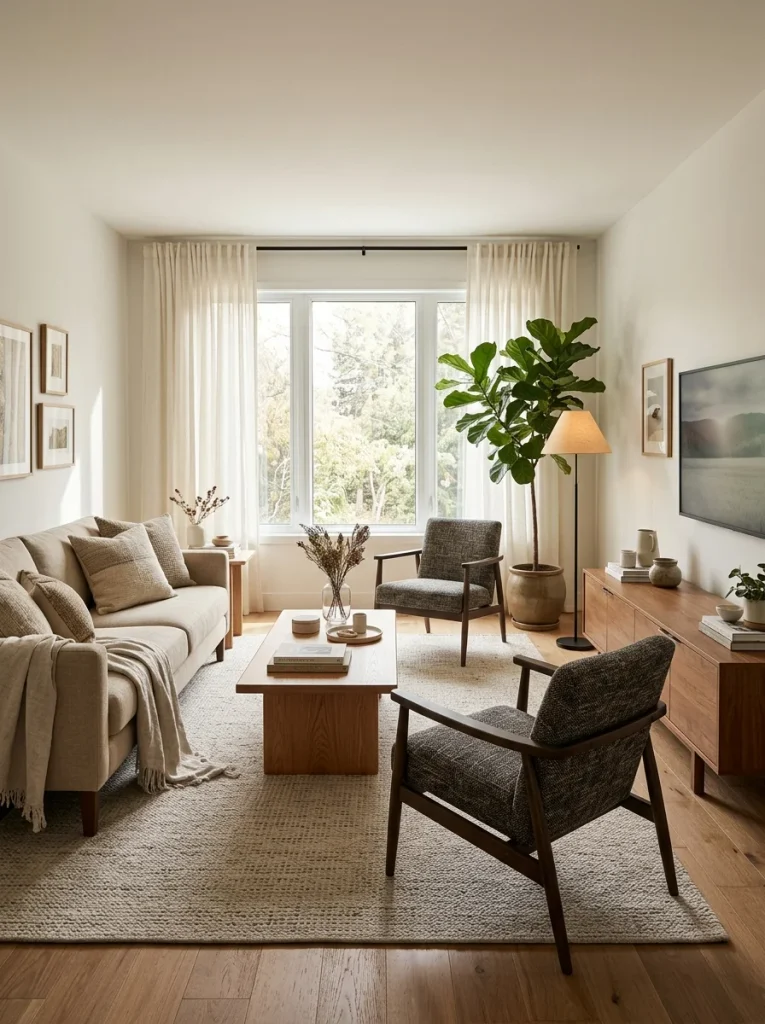
A balanced furniture layout can improve the appearance and daily function of a living room more than adding extra decor. Furniture should support conversation, provide comfortable access to frequently used areas and allow people to move through the space without squeezing between pieces.
DO
- Arrange seating around a clear focal point, such as a fireplace or television.
- Leave comfortable walking paths between furniture and doorways.
- Use a rug to connect the main seating pieces.
- Balance large furniture with appropriately scaled accessories.
DON’T
- Block windows or frequently used entrances.
- Choose a coffee table that is difficult to reach.
- Push every item against the walls without considering the room’s shape.
- Overfill a small living room with furniture designed for a larger space.
Before buying anything new, experiment with the furniture you already own. Measure the room, sketch a basic floor plan and test different arrangements. A well-balanced layout should look inviting from the entrance and feel comfortable when you sit down. Practical circulation and suitable proportions matter just as much as the decorative details.
Conclusion
Creating a warm, modern living room starts with thoughtful choices rather than a complete makeover. From neutral color palettes and layered textures to natural wood accents and balanced furniture layouts, these ideas offer plenty of ways to make your space feel both stylish and comfortable.
Start with one change that suits your budget and lifestyle, then build from there. The best Modern Living Room Ideas are the ones that reflect your personality while supporting everyday living. Save this article on Pinterest for future inspiration, try your favorite ideas and share it with anyone planning a living room refresh. Your cozy, polished space can begin with one simple step.