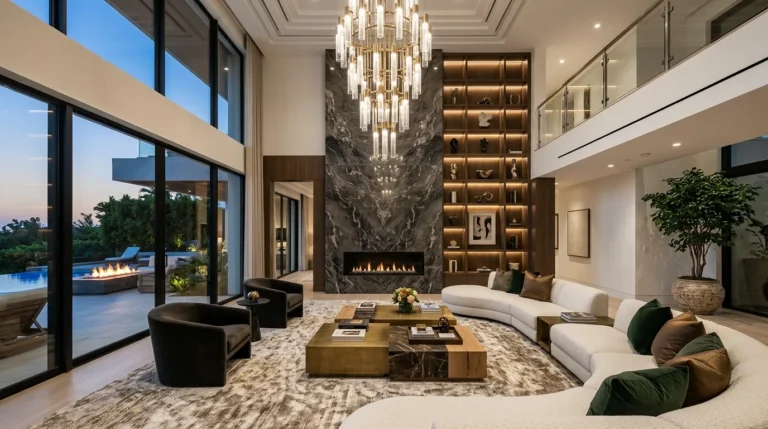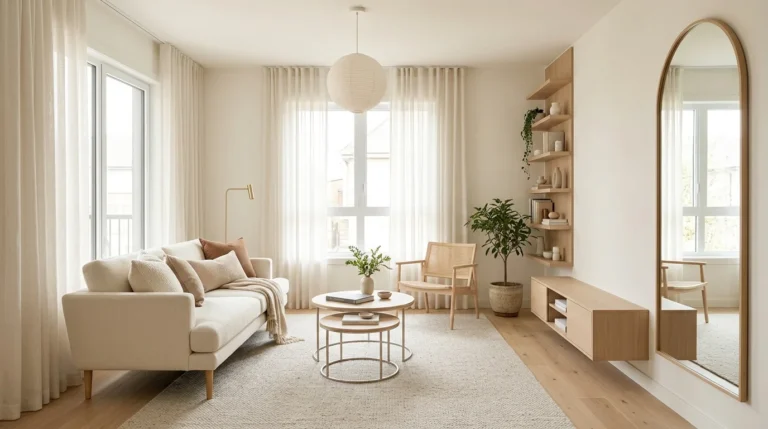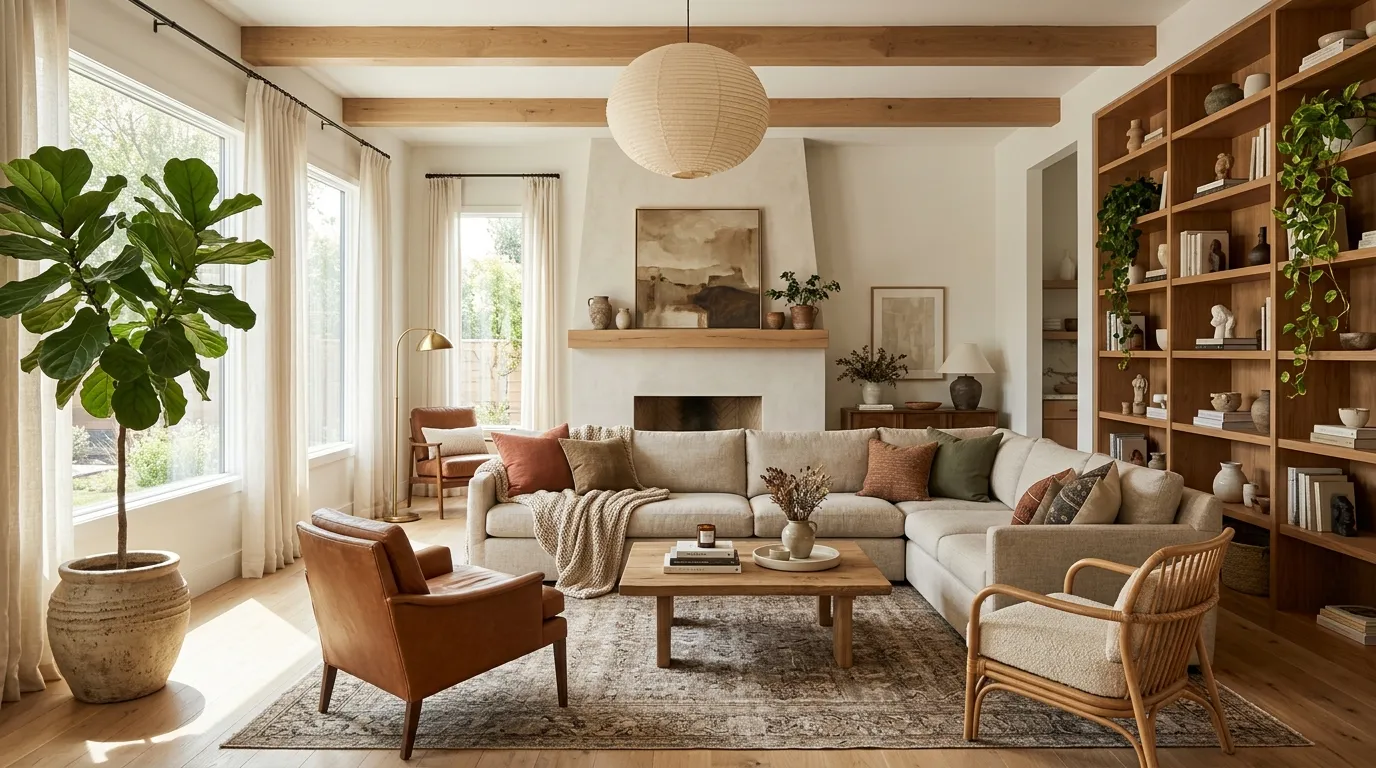
Living Room Ideas: 31 Inspiring Looks for Every Style
Your living room should feel like a place where you can relax, welcome guests and enjoy everyday moments in comfort. But finding the right style, colors and furniture arrangement can feel overwhelming when there are so many beautiful options to choose from.
These 31 Living Room Ideas will help you discover fresh inspiration for creating a space that reflects your personality and fits your lifestyle. From warm neutral palettes and cozy textures to bold accent walls, space-saving furniture and elegant statement pieces, there is something for every taste and budget.
You do not need to replace all your furniture or spend a fortune to create a room you love. Sometimes, changing the lighting, rearranging your seating, or adding a few thoughtfully chosen accessories is enough to make the space feel more welcoming. Explore these ideas, save your favorites on Pinterest and find the details that work best for your home.
Modern Neutral Living Room
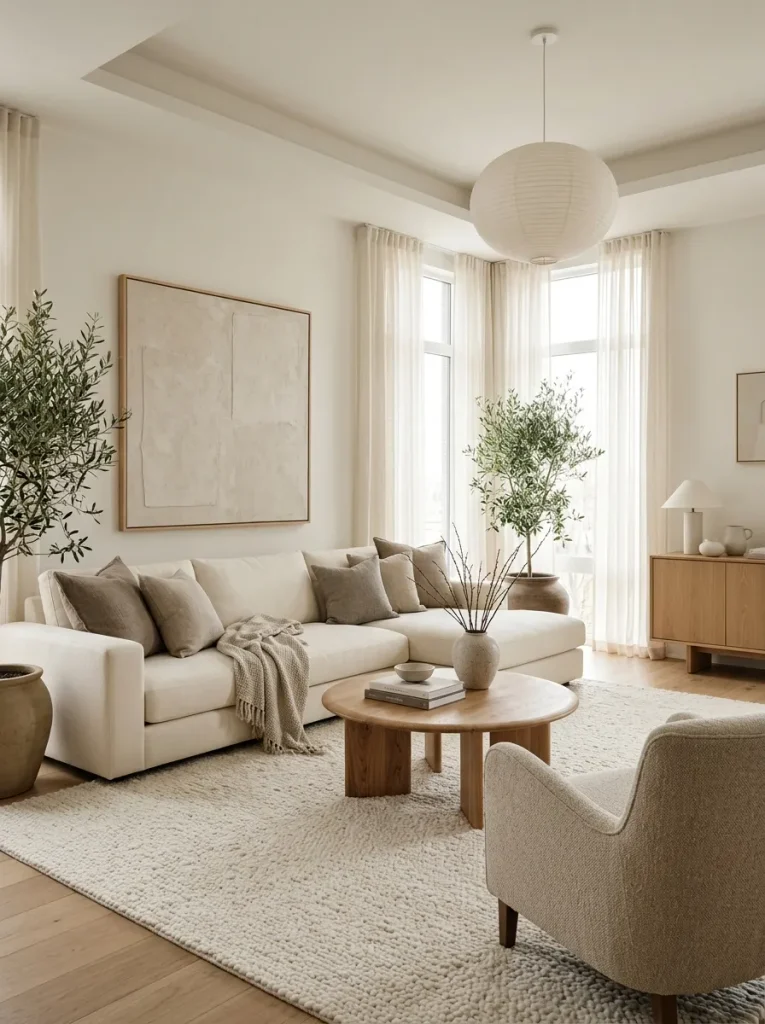
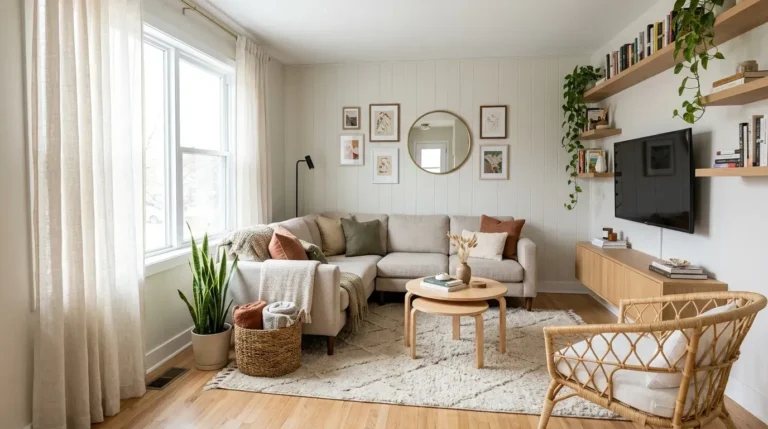
Modern neutrals create a calm, polished living area without making it feel cold or plain. Start with a cream or beige sofa, then layer in warm wood, textured cushions and a soft rug. These materials add depth while keeping the overall palette simple and cohesive.
For a balanced finish, mix at least three textures, such as linen, boucle and natural oak. A large piece of understated artwork can anchor the seating area, while sheer curtains allow daylight to soften the room. Keep decorative objects minimal so the furniture and textures remain the main focus.
Cozy Layered Textures
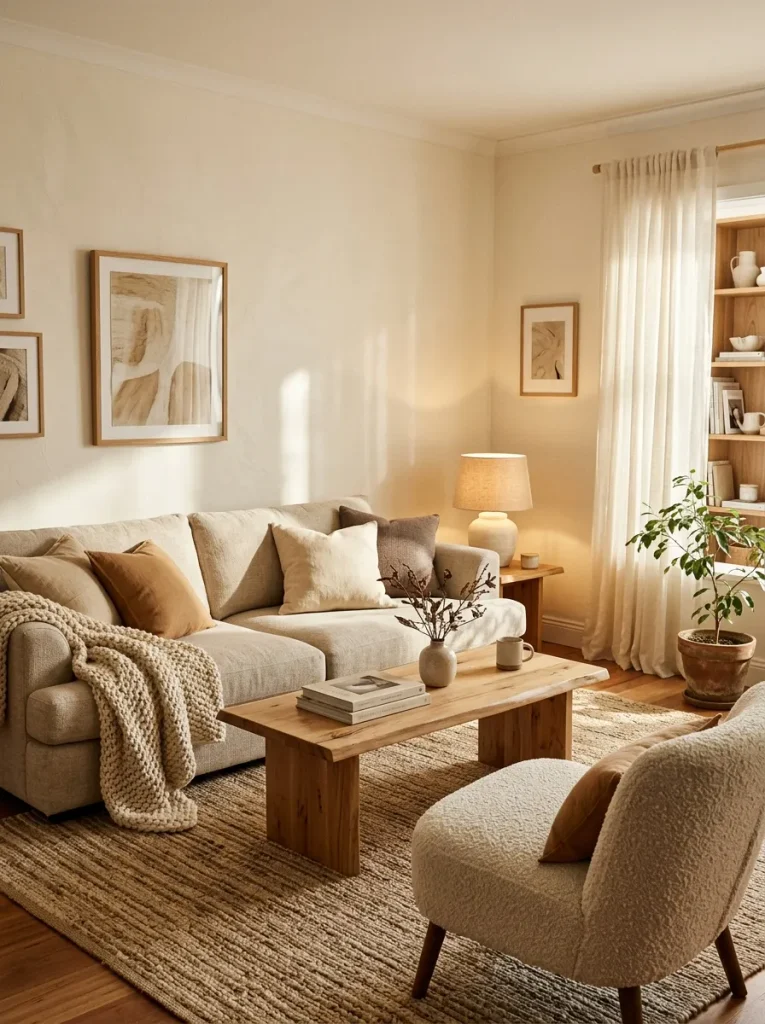
- Mix soft and rough materials. Pair a chunky knit throw with a smooth cotton cushion and a woven rug for an inviting contrast.
- Layer your textiles. Combine two or three cushion fabrics instead of buying an identical matching set.
- Add natural elements. A wooden coffee table, woven basket, or linen curtains bring warmth without clutter.
- Use warm lighting. Place a table lamp beside the sofa to create a comfortable evening atmosphere.
- Keep colors connected. Choose shades of cream, tan, rust and brown to make different textures feel coordinated.
The secret to a cozy room is contrast, not simply adding more accessories. I’ve noticed that rooms with a few carefully chosen materials often feel more welcoming than spaces filled with decorations. Start with your largest textile, such as the rug, then build around its colors and texture.
Small Space Furniture Layout
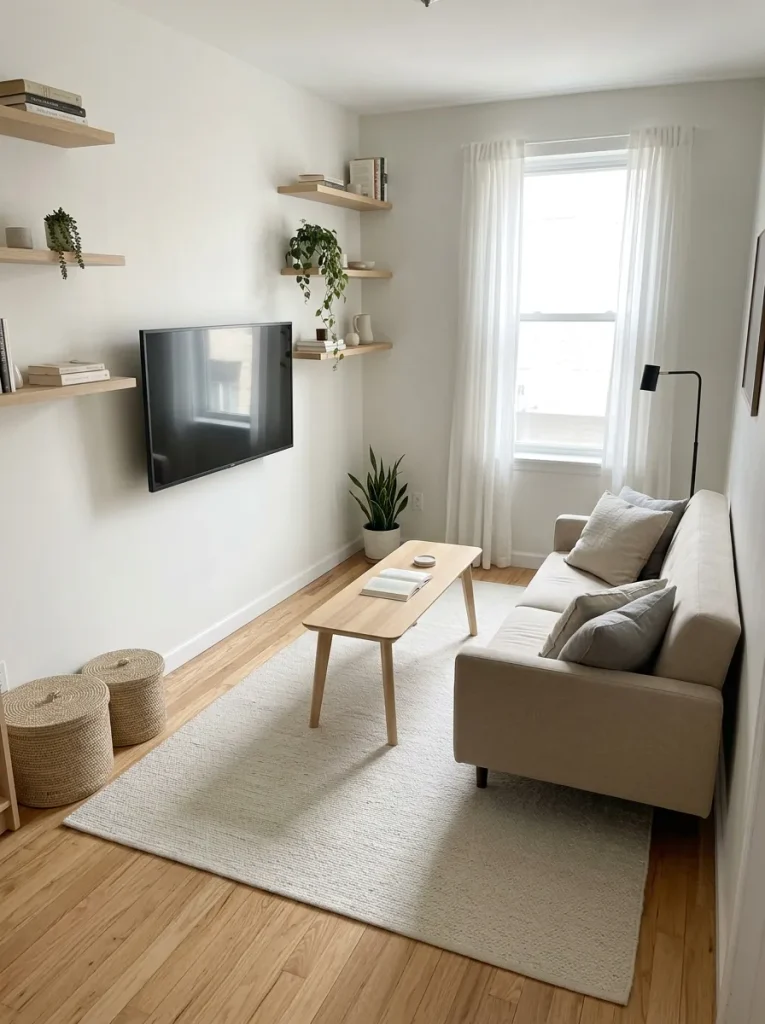
Quick Tip:
Measure the room and mark the main walking paths before buying furniture. Choose pieces with exposed legs, slim arms, or built-in storage to reduce visual bulk. Leave enough space to move comfortably between the sofa, coffee table and doorway.
Small rooms benefit most from furniture that fits the layout rather than furniture that simply looks attractive in a showroom. A compact loveseat can provide comfortable seating without overwhelming the floor area. Pair it with a narrow coffee table or nesting tables that can be moved when guests arrive.
Mounting the television and using vertical shelving can free up valuable floor space. Keep the main walkway clear, and avoid pushing too many small accessories into every corner. A thoughtful layout makes even a modest apartment feel more open, functional and inviting.
Contemporary Minimalist Decor
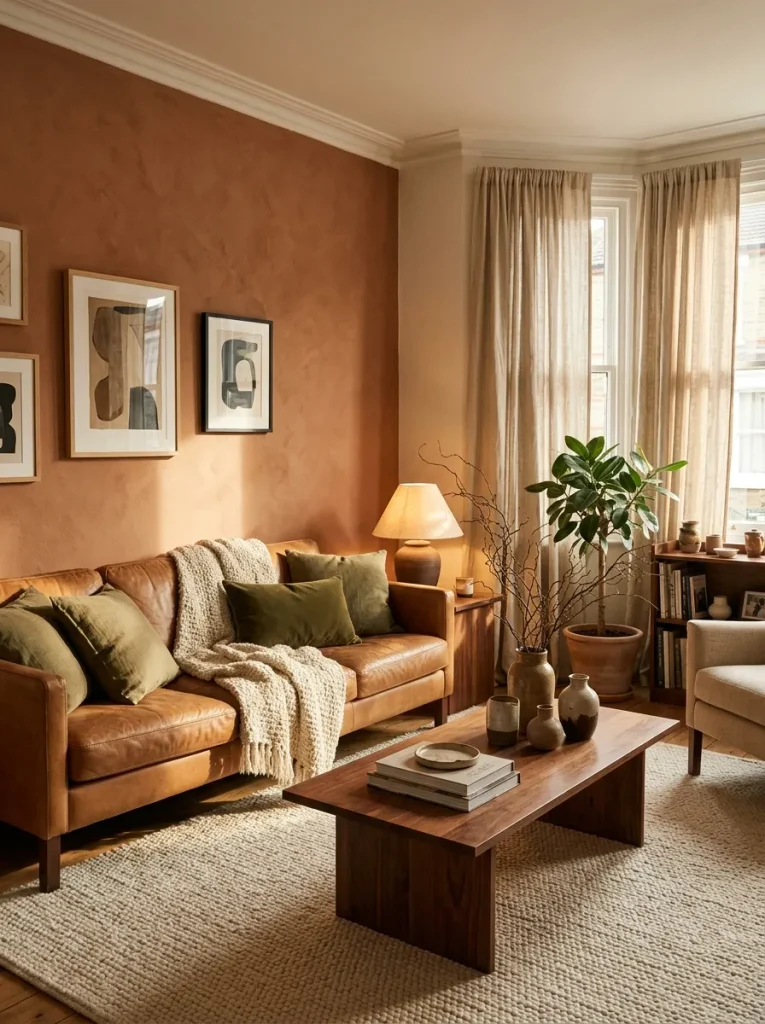
BEFORE: The living room feels crowded with mismatched accessories, bulky furniture and decorations competing for attention. The space lacks a clear focal point.
AFTER: A streamlined sofa, a simple coffee table and a few carefully selected objects create a balanced, sophisticated interior. Open surfaces make the room feel more spacious.
Minimalist decorating works best when every item has a purpose. Choose furniture with clean lines, limit decorative colors and leave some surfaces intentionally empty. A single oversized artwork can provide visual interest without introducing clutter. For warmth, include natural wood, textured upholstery, or a soft area rug. The result feels refined rather than bare.
Warm Earthy Color Palette
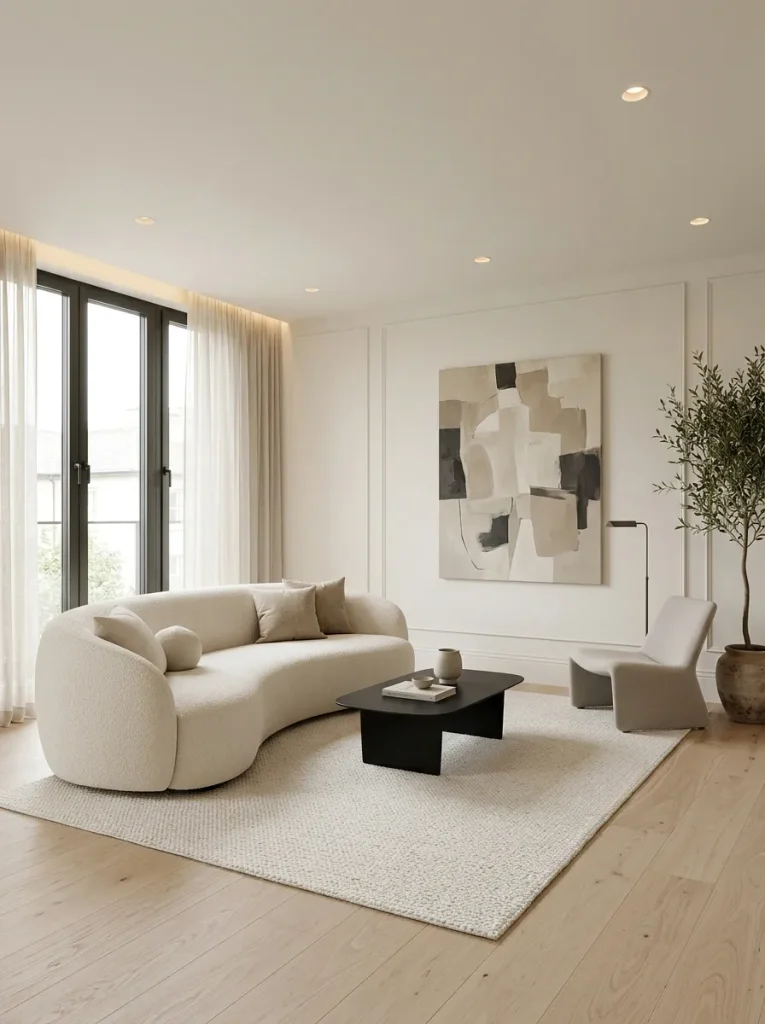
- Choose a base color. Start with warm white, sand, or creamy beige on the walls.
- Introduce earthy accents. Add terracotta cushions, rust-colored throws, or an olive green chair.
- Bring in natural wood. Walnut and oak furniture complement earthy shades beautifully.
- Layer soft lighting. Use warm bulbs in floor lamps and table lamps to enhance the colors.
Earth-inspired interiors feel grounded because their colors connect naturally with wood, clay, stone and other organic materials. Keep the largest surfaces relatively neutral, then introduce richer shades through upholstery and accessories. If you rent your home, cushions, removable wall coverings, and ceramic decor can provide the same color story without permanent changes.
Statement Accent Wall
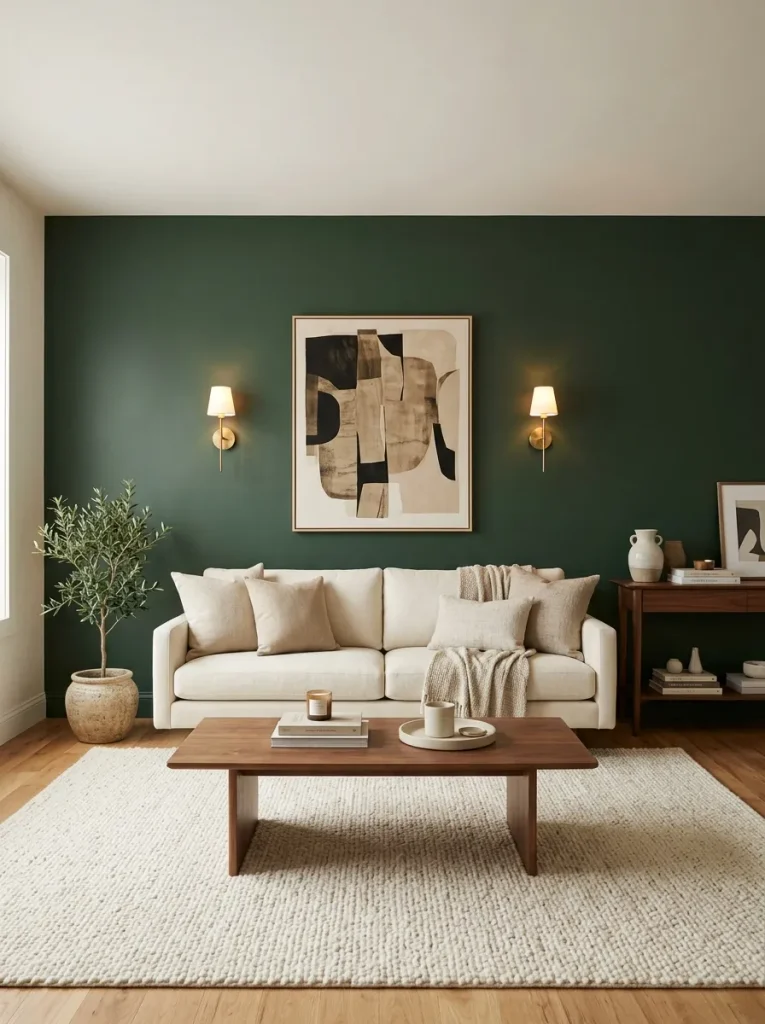
| Design Choice | Option A | Option B |
|---|---|---|
| Paint color | Deep green | Muted blue |
| Wall treatment | Matte paint | Textured wallpaper |
| Best pairing | Warm wood and cream | Light oak and white |
| Overall mood | Rich and grounded | Fresh and calming |
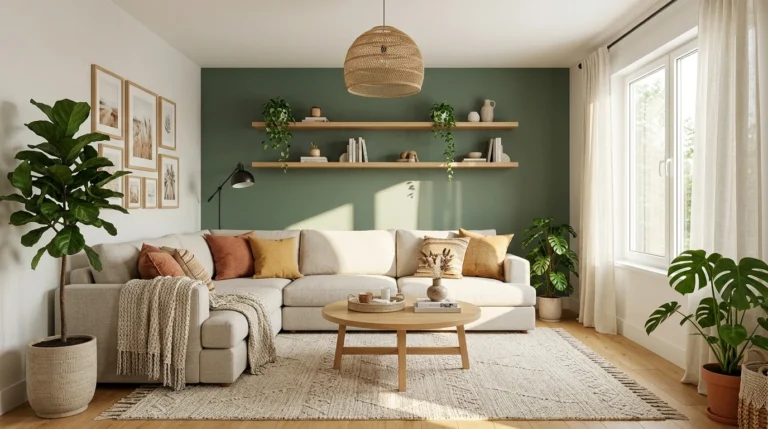
An accent wall gives the living area a focal point without requiring a complete makeover. Choose the wall behind the sofa or television, then coordinate its color with existing furniture. Test paint samples in morning and evening light before committing. A strong wall color looks most intentional when repeated in small details, such as cushions, artwork, or a vase.
Modern Farmhouse Charm
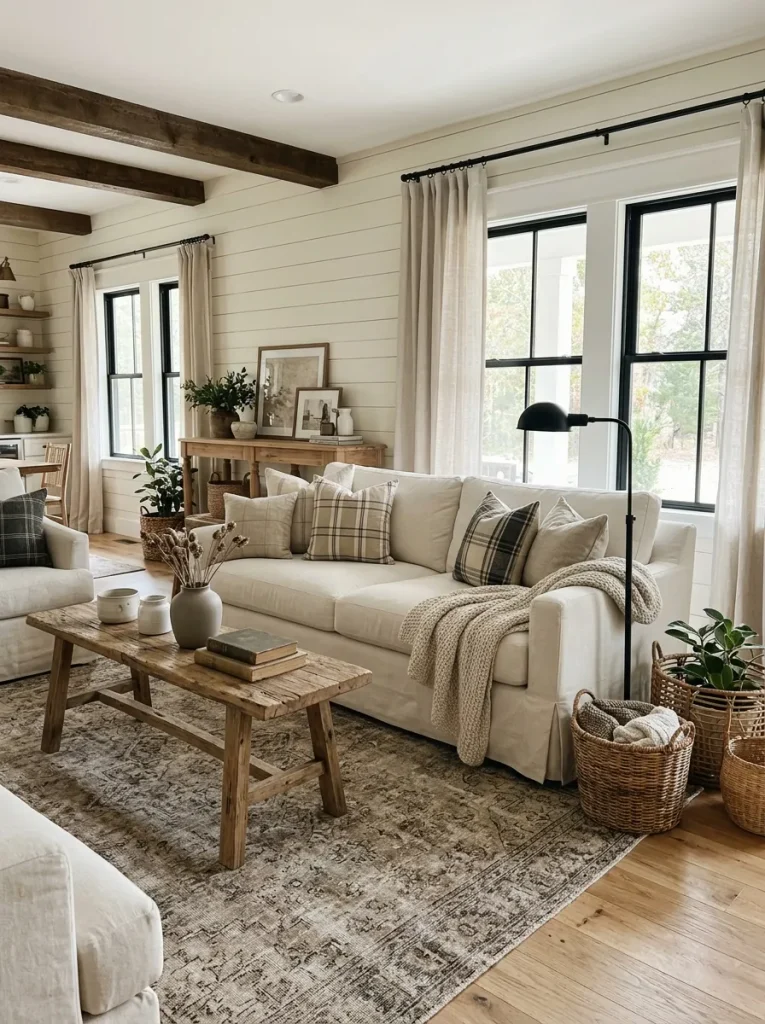
DO
- Combine white walls with natural wood furniture.
- Use linen cushions and cotton throws for a relaxed finish.
- Add black metal accents through lighting or picture frames.
- Display a few vintage pieces alongside contemporary furniture.
DON’T
- Fill every wall with farmhouse signs.
- Mix too many competing wood finishes.
- Choose distressed furniture for every surface.
- Use rustic accessories that interfere with everyday comfort.
Modern farmhouse style balances country character with clean, practical design. A reclaimed wood coffee table or woven basket adds texture without making the room feel old-fashioned. Keep the sofa comfortable and the layout uncluttered, especially if the living room doubles as a family gathering space. The best results come from mixing rustic materials with a few modern elements.
Scandinavian Light Wood Design
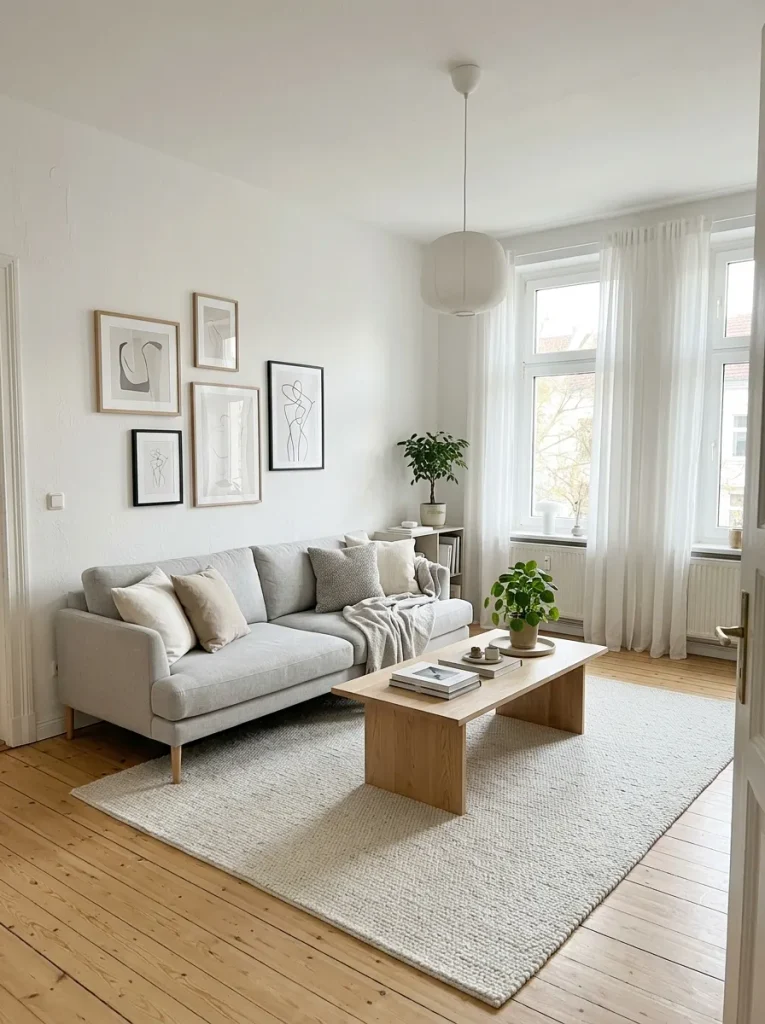
Cost: Moderate, depending on furniture choices.
Best colors: White, pale gray, beige and light wood.
Best for: Apartments, small homes and bright open-plan rooms.
Key feature: Functional furniture with simple silhouettes.
Scandinavian interiors prioritize natural light, practical furniture and understated comfort. Keep the window area open, choose a light-colored rug and introduce pale wood through shelves or tables. A few black accents can provide contrast without overwhelming the space. This approach is especially useful in rooms that receive limited daylight because the restrained palette helps the available light travel throughout the room.
Mid-Century Modern Furniture
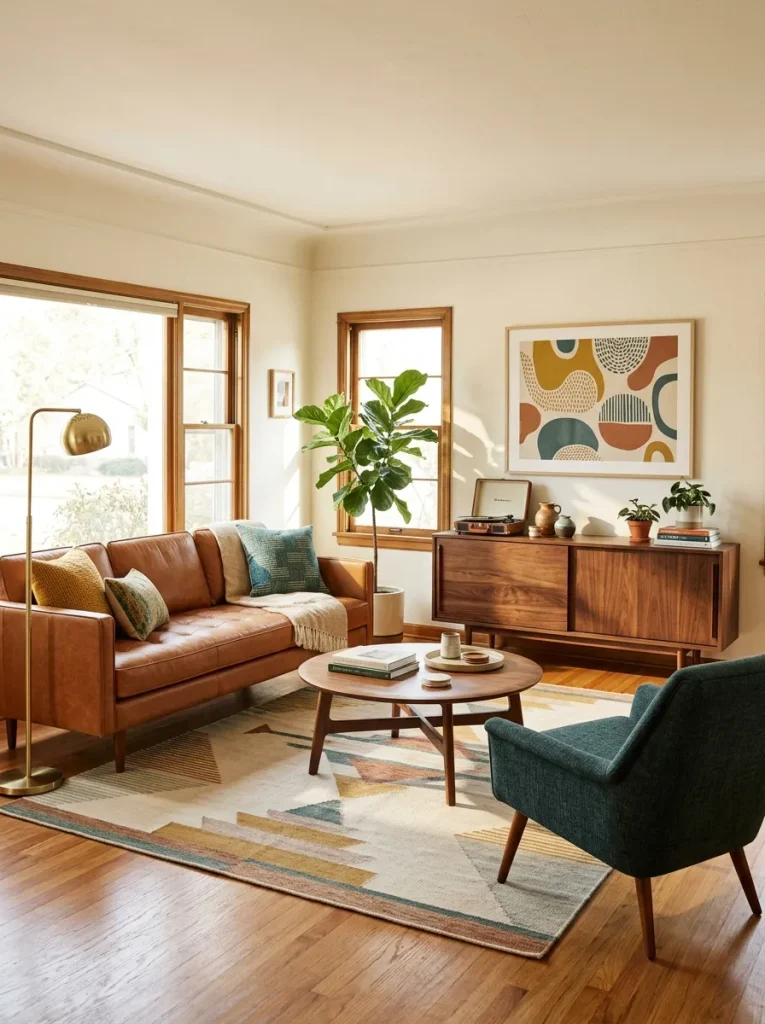
Mid-century furniture brings personality through recognizable shapes and warm materials. A sofa with tapered wooden legs or a low-profile lounge chair can establish the style without requiring a complete furniture replacement.
In my experience, one distinctive vintage-inspired piece often has more impact than filling a room with matching retro furniture. Pair walnut finishes with cream upholstery and a restrained geometric pattern. Keep the surrounding accessories simple so the furniture remains the main attraction.
Elegant Traditional Living Room
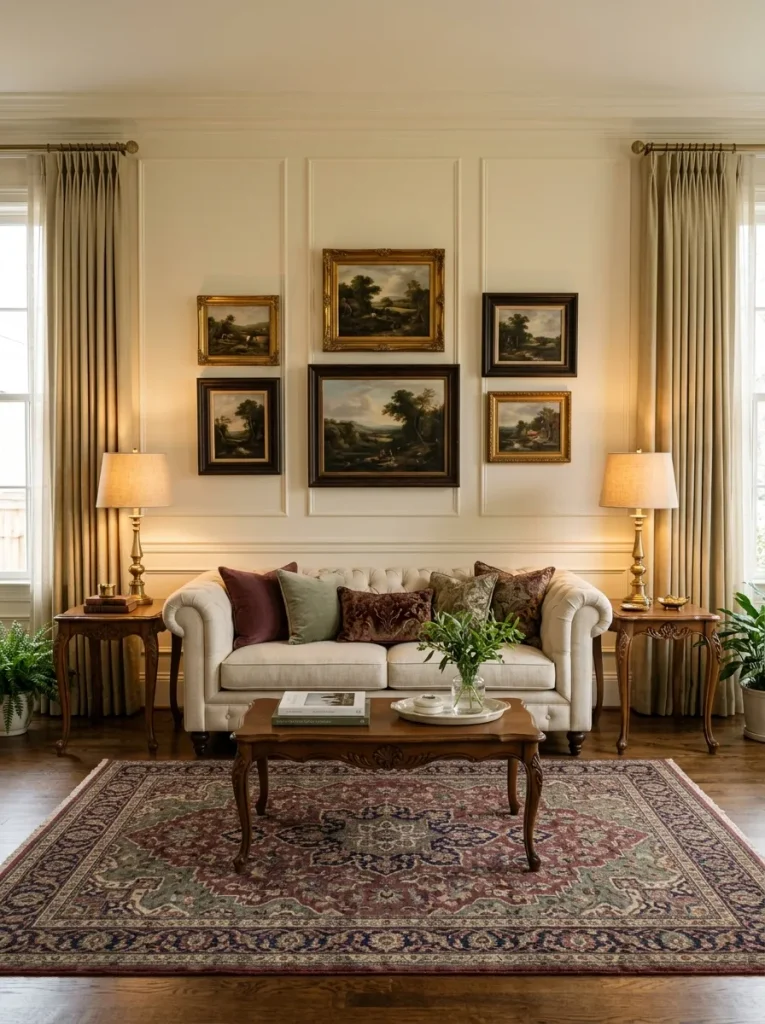
- Select a classic sofa. Rolled arms, tailored upholstery, or subtle tufting establish a traditional foundation.
- Layer a patterned rug. Choose a design that includes two or three colors already present in the room.
- Frame the walls. Use coordinated artwork or traditional-style prints to create visual balance.
- Add polished details. Brass lamps, wooden side tables and ceramic accessories complete the setting.
- Maintain comfortable spacing. Leave clear routes between seating, tables and entrances.
Traditional interiors feel cohesive when patterns and furniture share a consistent visual language. Avoid combining too many ornate pieces in a small room. Instead, let the sofa or rug provide the strongest statement and keep the remaining elements more restrained. This style works particularly well for homeowners who enjoy timeless furnishings and a welcoming, slightly formal atmosphere.
Bohemian Eclectic Styling
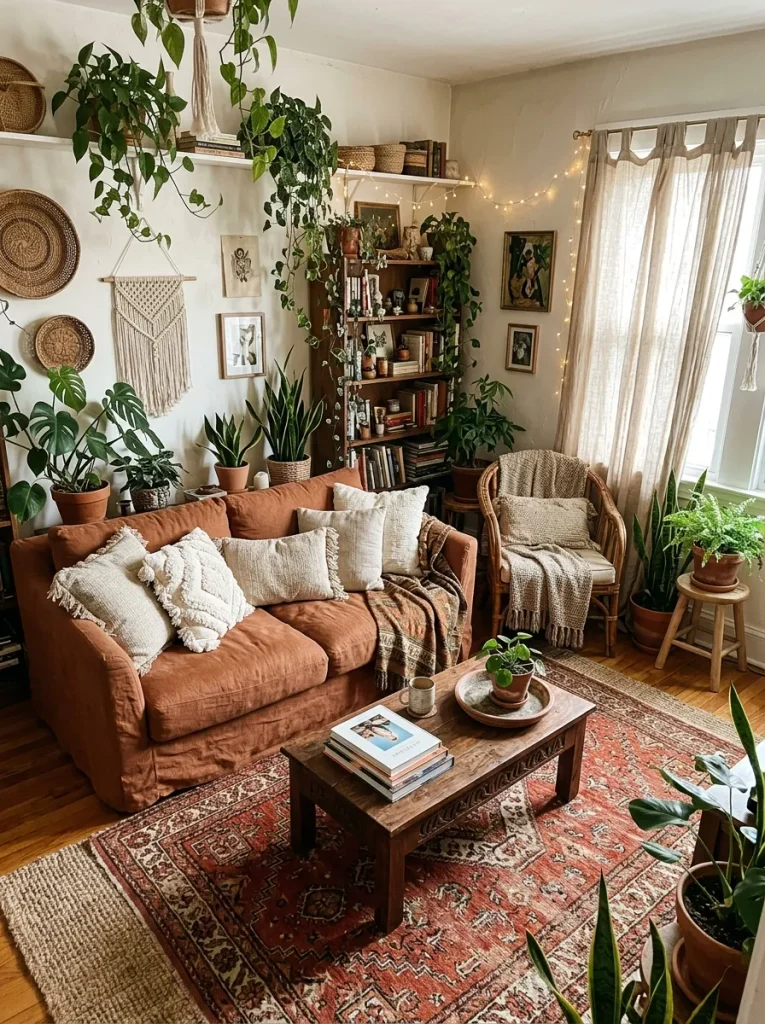
Quick Tip:
Choose three main colors before combining patterns and repeat each shade at least twice. This helps different textiles and accessories feel connected rather than random.
Bohemian rooms are ideal for displaying meaningful objects, colorful fabrics and natural materials. Start with a comfortable seating arrangement, then add a patterned rug and cushions in complementary shades. Plants bring movement and freshness, while baskets provide useful storage. Leave some open space between decorative pieces so the room retains a relaxed feel instead of becoming visually overwhelming.
Coastal Blue and White
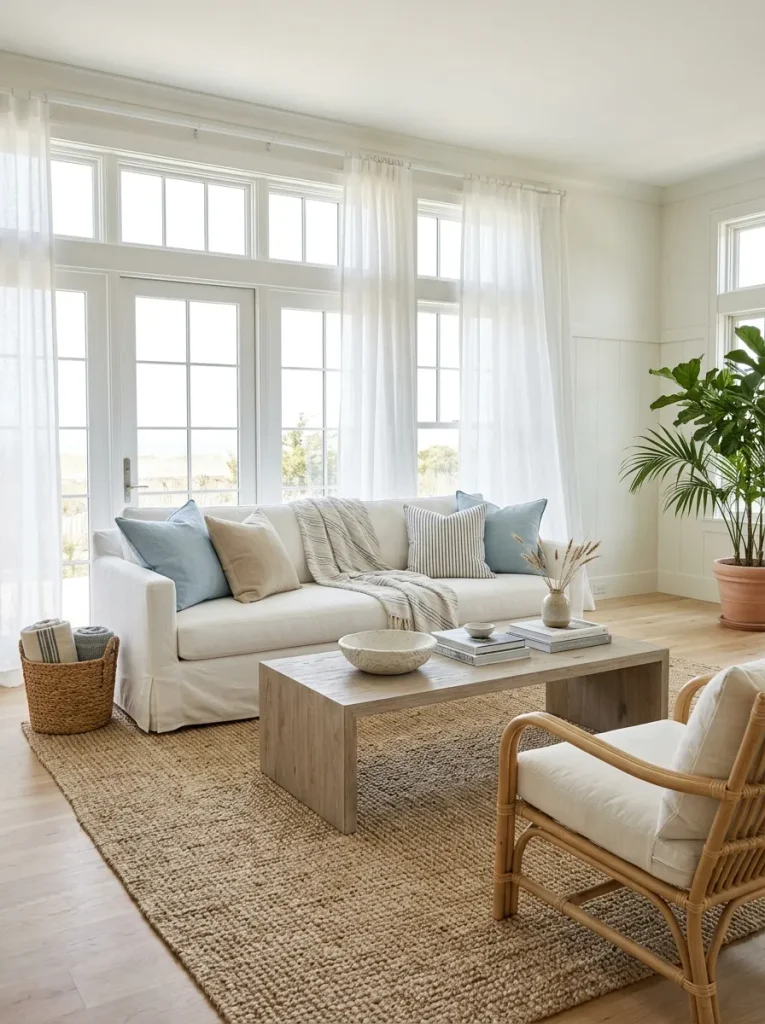
BEFORE: The room feels heavy because dark furniture, thick curtains and competing colors absorb the available light.
AFTER: White upholstery, soft blue accents and natural textures create a brighter, calmer setting. Pale wood furniture keeps the space from feeling too stark.
Coastal decor does not require seashell collections or overt beach-themed accessories. A restrained palette of white, sand and muted blue can suggest the seaside while remaining suitable year-round. Use washable covers if the room receives frequent family use. A woven rug and linen curtains add the tactile warmth needed to balance the cool blue tones.
Industrial Brick and Metal
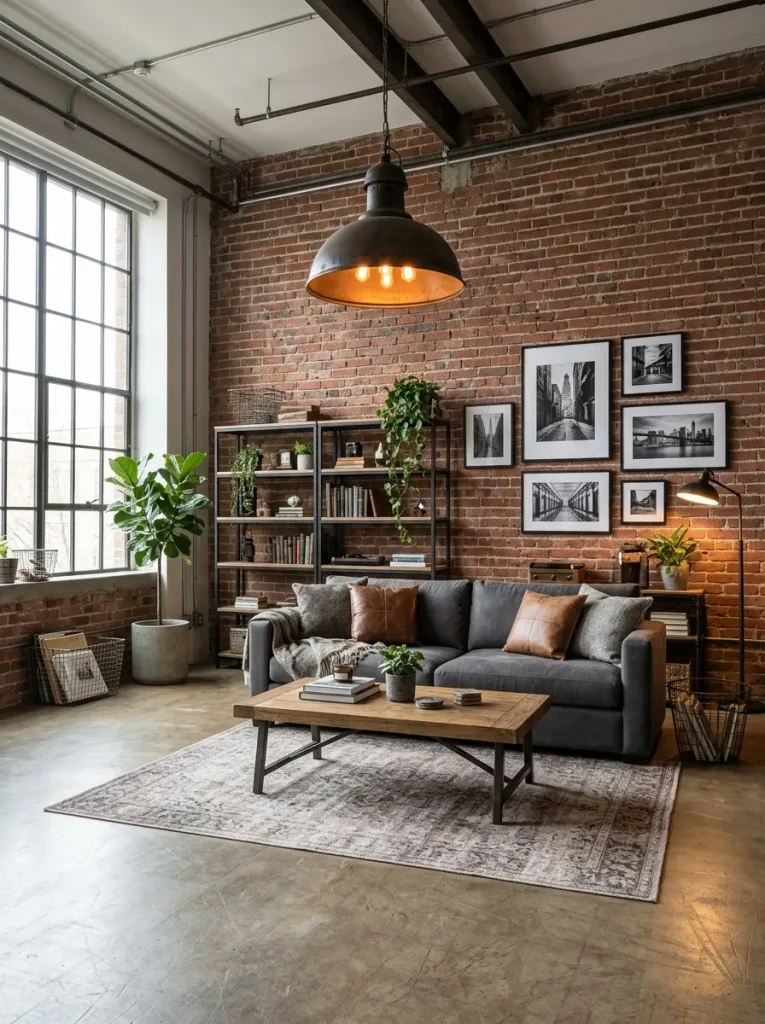
- Establish a strong material. Use exposed brick, brick-effect wallpaper, or a textured feature wall.
- Introduce dark metal. Choose shelving, lamps, or table frames with a matte black finish.
- Balance hard surfaces. Add a fabric sofa, a thick rug, and soft cushions.
- Include warm wood. A reclaimed-style table softens the cooler industrial materials.
Industrial interiors rely on contrast between rugged finishes and comfortable furnishings. If your home lacks exposed brick, a textured wall treatment can provide a similar visual effect. Keep the palette focused on charcoal, brown, black and warm neutrals. Soft textiles are essential because they prevent metal, brick and concrete-inspired finishes from making the room feel harsh.
Luxurious Velvet Seating

| Feature | Option A | Option B |
|---|---|---|
| Sofa fabric | Velvet | Linen |
| Visual effect | Rich and dramatic | Relaxed and understated |
| Maintenance | Check cleaning instructions carefully | Depends on fabric and finish |
| Best setting | Glamorous or formal rooms | Casual everyday spaces |
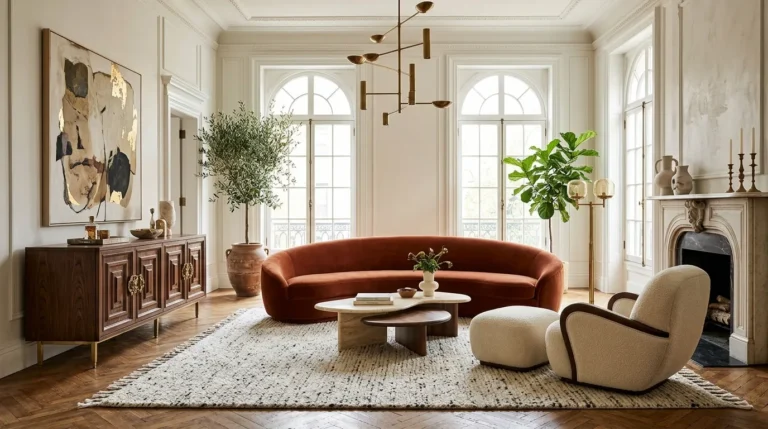
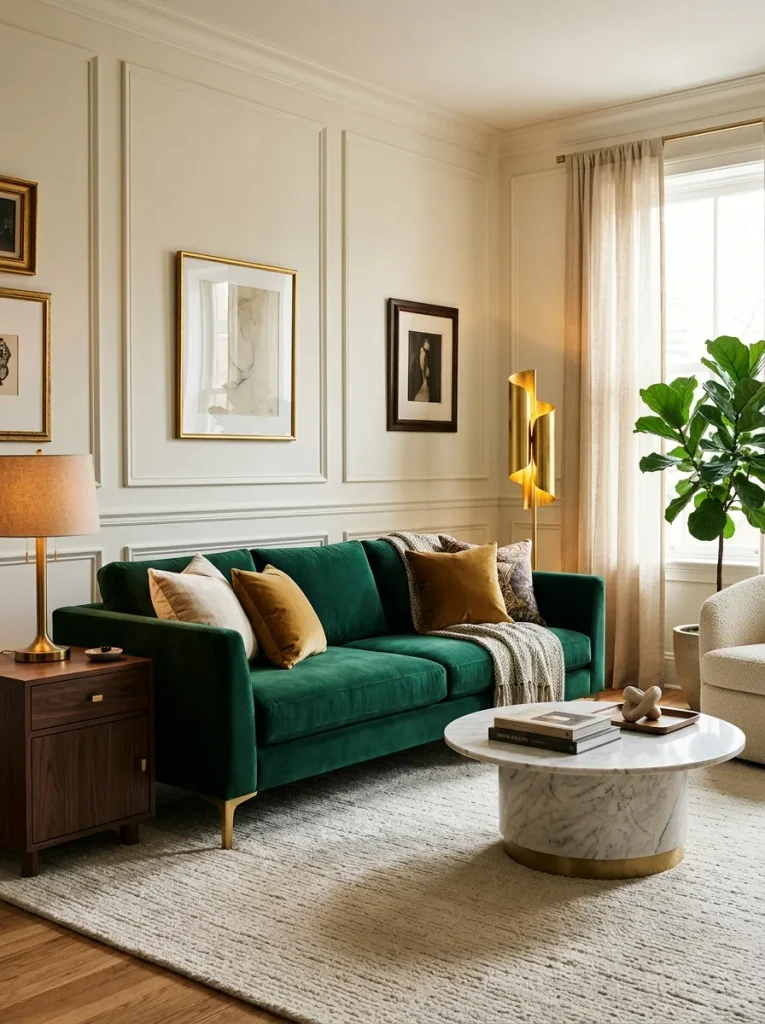
Velvet can make a living room feel polished without requiring expensive changes throughout the space. Let the sofa provide the main color statement, then use neutral walls and restrained accessories to keep the room balanced. Before buying, check the fabric’s cleaning requirements and test how its color looks in your lighting. A smaller velvet accent chair is another option for a limited budget.
Vintage Thrifted Decor
DO
- Inspect secondhand furniture for structural damage before purchasing.
- Mix vintage accessories with contemporary seating for balance.
- Repeat one wood tone or accent color to connect different pieces.
- Check measurements carefully before bringing furniture home.
DON’T
- Buy every vintage item simply because it is inexpensive.
- Ignore odors, pests, or upholstery damage.
- Mix so many patterns that the room loses a visual anchor.
- Block walkways with oversized finds.
Thrifted decor offers a way to build a distinctive interior gradually. A secondhand mirror, vintage lamp, or wooden side table can add character that mass-produced accessories often lack. Prioritize condition and function over age and clean suitable pieces before displaying them. A few well-chosen finds will usually feel more intentional than a room filled with unrelated bargains.
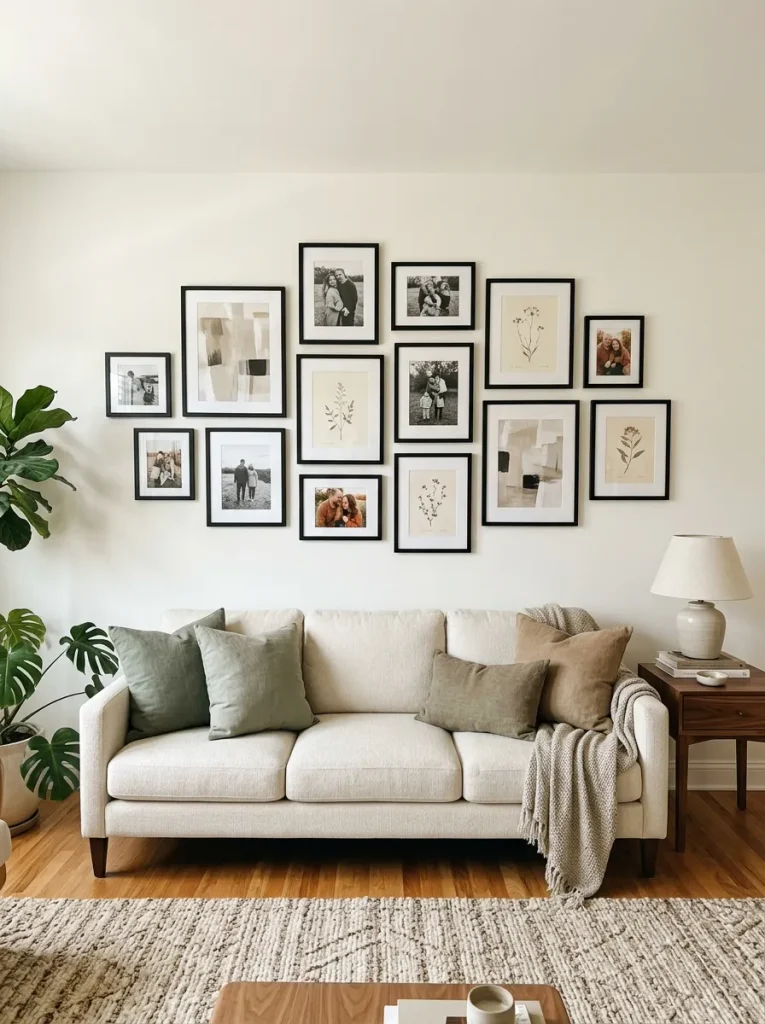
Gallery Wall Arrangement
Cost: Low to moderate, depending on frames and prints.
Time: A few hours for planning and hanging.
Skill level: Beginner with careful measuring.
Best for: Blank walls above sofas, consoles, or reading corners.
A gallery wall adds personality while giving the seating area a clear focal point. Arrange the frames on the floor first, keeping the spacing consistent and the overall shape appropriate for the wall. Combining different artwork styles works best when frame colors or background tones repeat. For renters, removable picture-hanging strips can reduce the need for permanent holes, provided the wall surface and frame weight are suitable.
Indoor Plants and Greenery
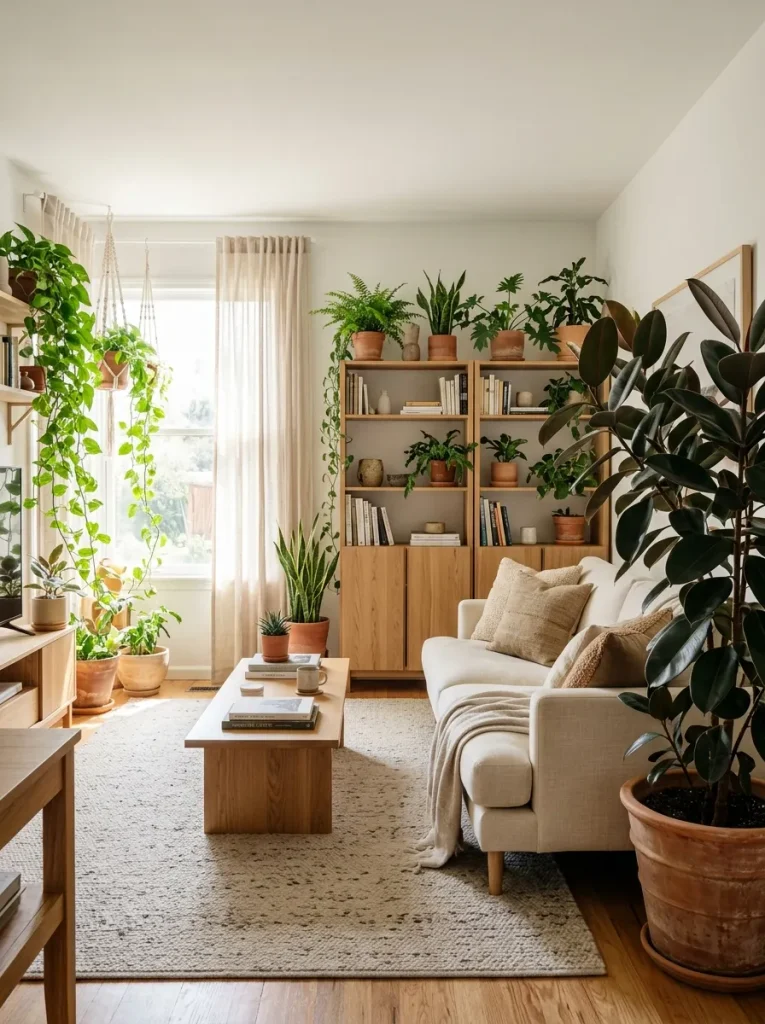
Plants introduce living color and soften the straight lines of furniture. Choose varieties according to the light available rather than selecting them solely for appearance. A tall plant can fill an empty corner, while smaller pots work well on shelves and side tables.
For easier care, group plants with similar watering needs and place them where they can be reached comfortably. Keep leaves away from hot radiators and check whether a plant is safe for pets if animals share your home. A few healthy plants are more effective than a crowded collection that becomes difficult to maintain.
Built-In Storage Shelves
Quick Tip:
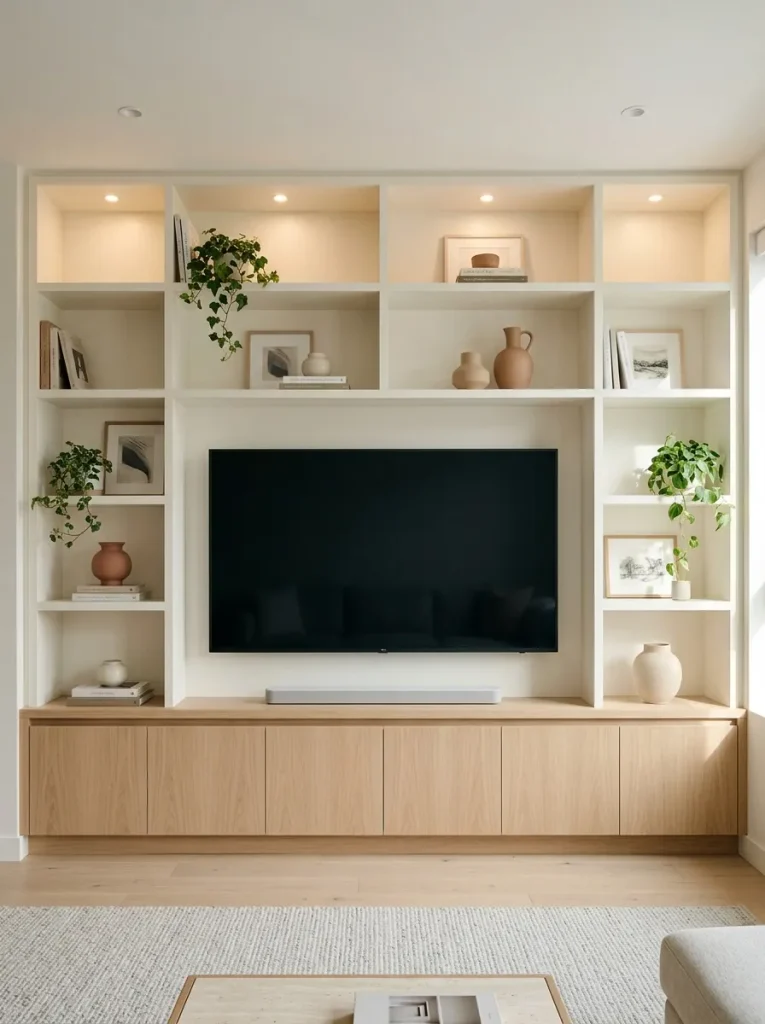
Use closed cabinets for everyday clutter and open shelves for objects you want to display. Leave some shelf space empty so the arrangement feels balanced.
Built-in storage makes a living room easier to organize because books, electronics and accessories each have a designated place. If custom cabinetry is outside your budget, combine freestanding bookcases with matching storage units for a similar effect. Repeat a few materials, such as oak and white finishes, to create visual continuity. Keep frequently used items at reachable heights and reserve higher shelves for lightweight decorative pieces.
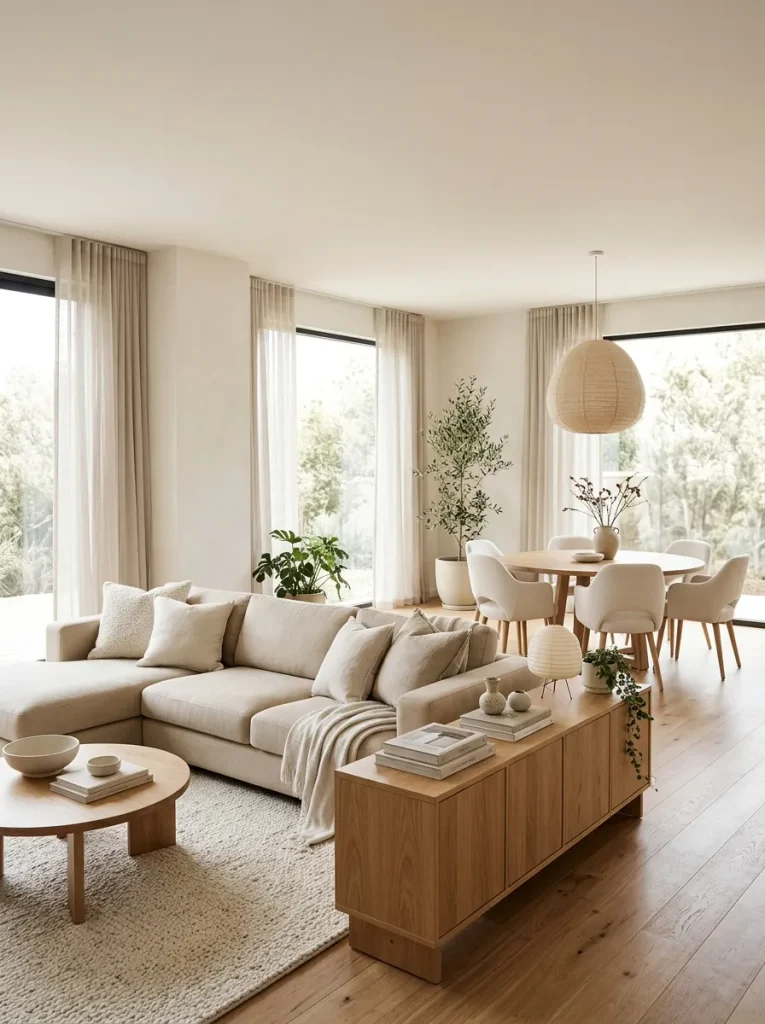
Open-Plan Living and Dining
BEFORE: The living and dining areas blend together without clear boundaries. Furniture feels scattered, and the room lacks a natural flow.
AFTER: A large rug anchors the sofa, while a pendant light and dining table establish a separate eating zone. Coordinated finishes keep the whole space connected.
In open-plan homes, visual zoning helps each activity feel organized without adding walls. Position the sofa to define the lounge area and ensure dining chairs can pull out without obstructing the main walkway. Repeat wood finishes or accent colors across both zones for continuity. A console behind the sofa can provide storage while creating a subtle boundary between the two spaces.
Fireplace Focal Point
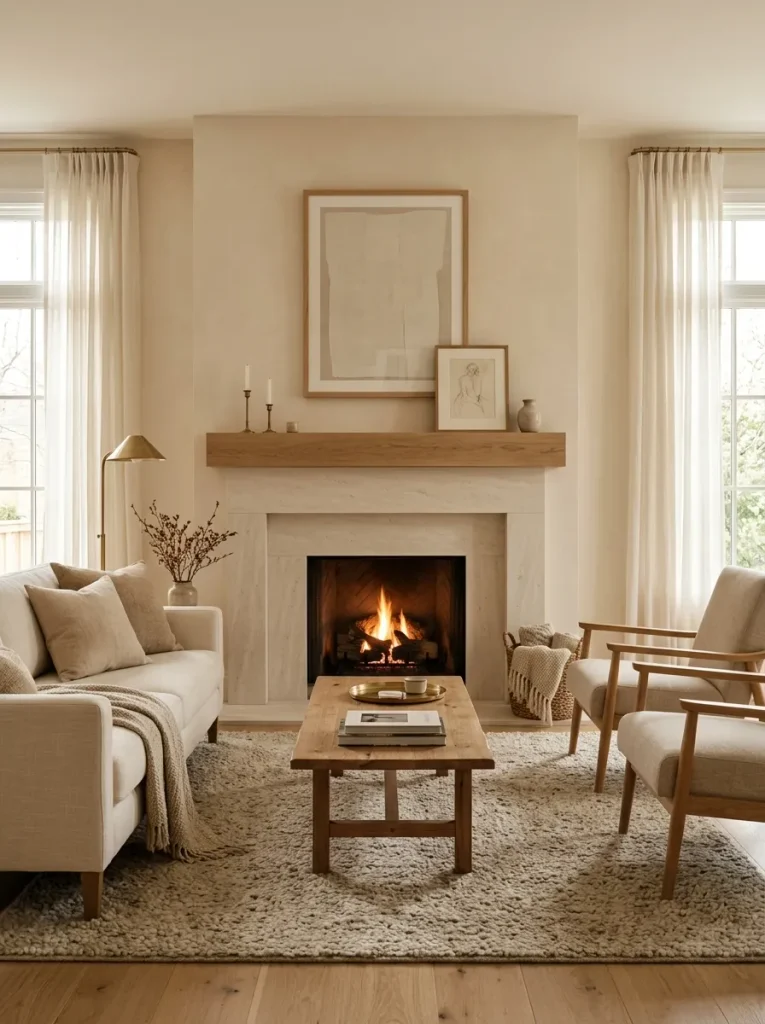
- Choose the focal point. Arrange the main seating so the fireplace is easy to see and enjoy.
- Balance the surrounding furniture. Place side chairs or a sofa opposite the hearth while preserving clear circulation.
- Style the mantel lightly. Use artwork, a mirror, or a small group of objects.
- Add a grounding rug. Choose a size that connects the main seating pieces.
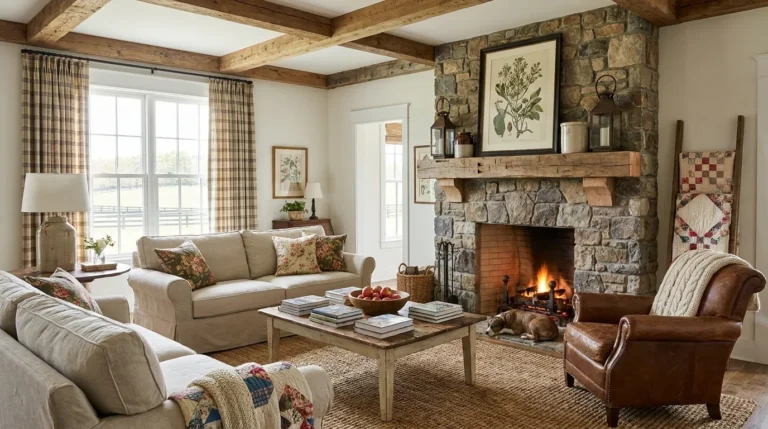
A fireplace naturally draws attention, so the surrounding decor should support rather than compete with it. If your home has a nonworking fireplace, candles or a simple decorative arrangement can create interest without pretending the feature is functional. Keep combustible materials and furniture at the distances required by the fireplace manufacturer and never obstruct ventilation or safety clearances.
Soft Pastel Accents
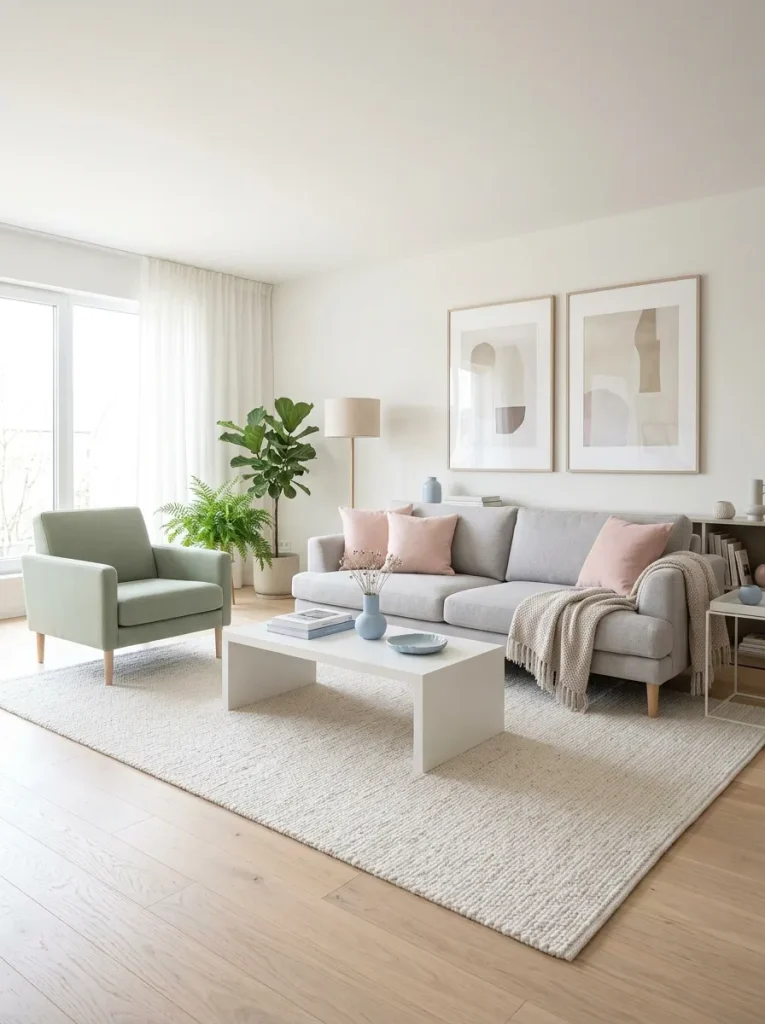
| Design Element | Option A | Option B |
|---|---|---|
| Main furniture | Neutral sofa | Pastel sofa |
| Accent colors | Pink and sage | Blue and lavender |
| Long-term flexibility | Easy to update with accessories | More color commitment |
| Styling approach | Small repeated accents | One dominant pastel statement |
Pastels can introduce color without overwhelming a neutral room. The simplest approach is to keep major furniture pieces understated and use cushions, artwork, ceramics, or a small chair for softer shades. Choose pastels with similar undertones so they complement each other. If the room already contains colorful flooring or curtains, limit the palette to one or two accent colors.
Black and White Contrast
DO
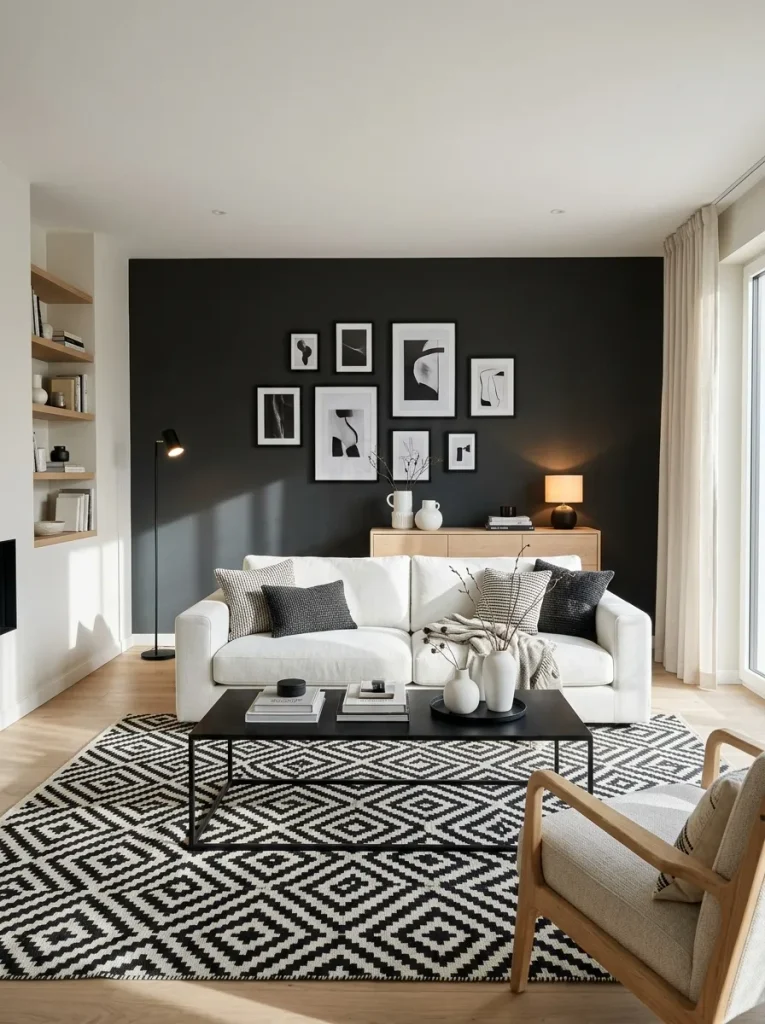
- Repeat black accents in frames, lighting and table legs.
- Use several shades of white and gray to add depth.
- Include wood or textured fabric for warmth.
- Keep large dark surfaces balanced with lighter elements.
DON’T
- Use equal amounts of black and white without considering room size.
- Choose glossy finishes for every major surface.
- Ignore the effect of limited natural light.
- Add too many small decorative objects.
Monochrome decorating feels intentional when contrast is supported by texture and proportion. A charcoal wall can create depth, while a white sofa and pale rug maintain brightness. In a smaller room, use black mainly for accents rather than covering every large surface. Matte finishes, natural wood, and soft textiles help the combination feel welcoming rather than stark.
Japandi Natural Simplicity
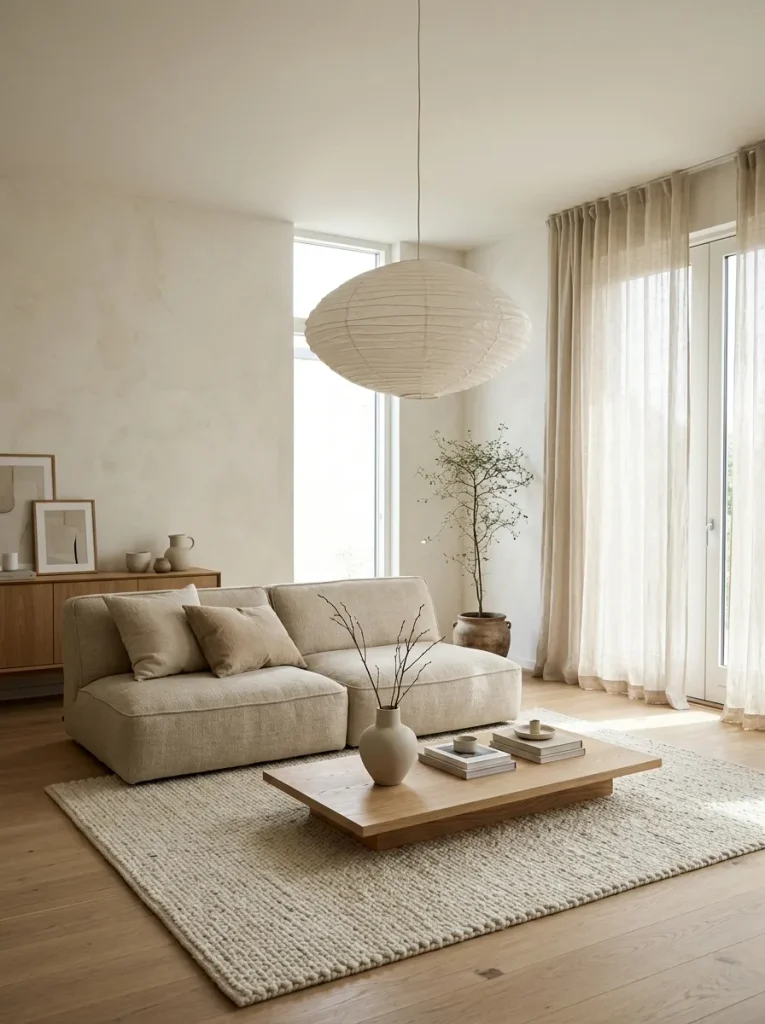
Cost: Flexible, depending on furniture and materials.
Best colors: Warm white, sand, taupe and muted brown.
Best materials: Oak, linen, stone and handmade ceramics.
Key feature: Simple furniture with practical purpose.
Japandi style combines the warmth of natural materials with the restraint of minimalist interiors. Choose a few well-made pieces, keep the furniture low and visually simple and allow the wood grain or fabric texture to provide interest. Avoid filling every shelf with accessories. A single ceramic vase, an organic-shaped lamp, or a leafy branch can be enough to finish the space.
Small Reading Nook
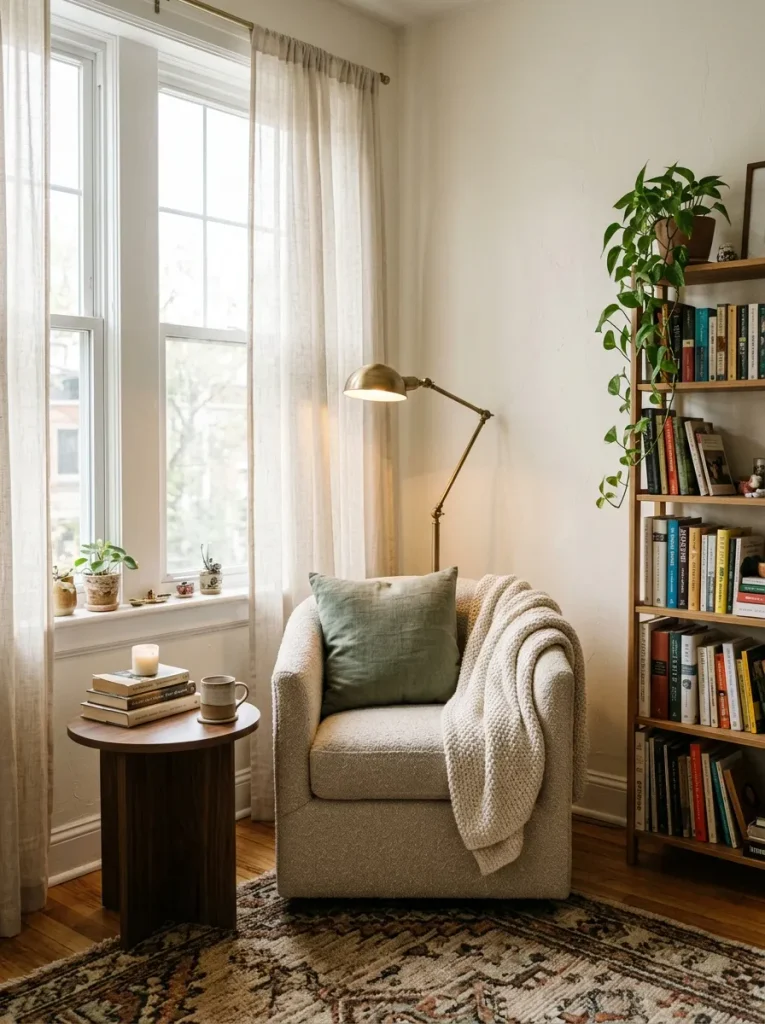
A reading nook gives an underused corner a clear purpose without requiring a separate room. Start with a chair that fits the available space, then add a lamp positioned to illuminate the page without causing glare. A small side table keeps books, glasses and a drink within reach.
If floor space is limited, use a wall-mounted shelf instead of a bulky bookcase. Keep the route through the room clear and choose a cushion or throw that connects the nook to the main seating area’s colors. Even a compact corner can become a comfortable place to pause.
Family-Friendly Living Room
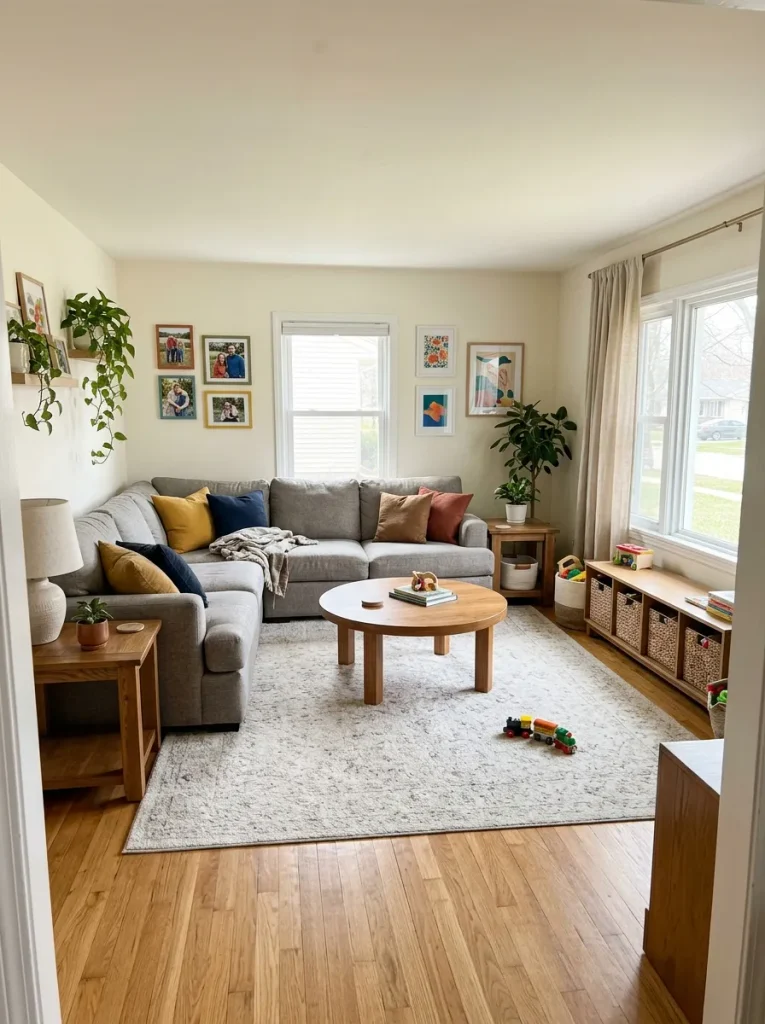
Cost: Moderate, depending on upholstery and storage choices.
Best for: Families with children and frequent guests.
Useful materials: Washable covers, durable upholstery and easy-clean surfaces.
Key feature: Comfortable seating paired with accessible storage.
Family spaces work best when storage is part of the layout rather than an afterthought. Choose baskets or closed cabinets for toys, blankets and games and use upholstery that suits your household’s cleaning needs. Rounded furniture edges may help reduce some bumps in busy rooms, though appropriate childproofing is still important. Keep frequently used items easy to reach and preserve a clear central area for play.
Budget-Friendly Decor Updates
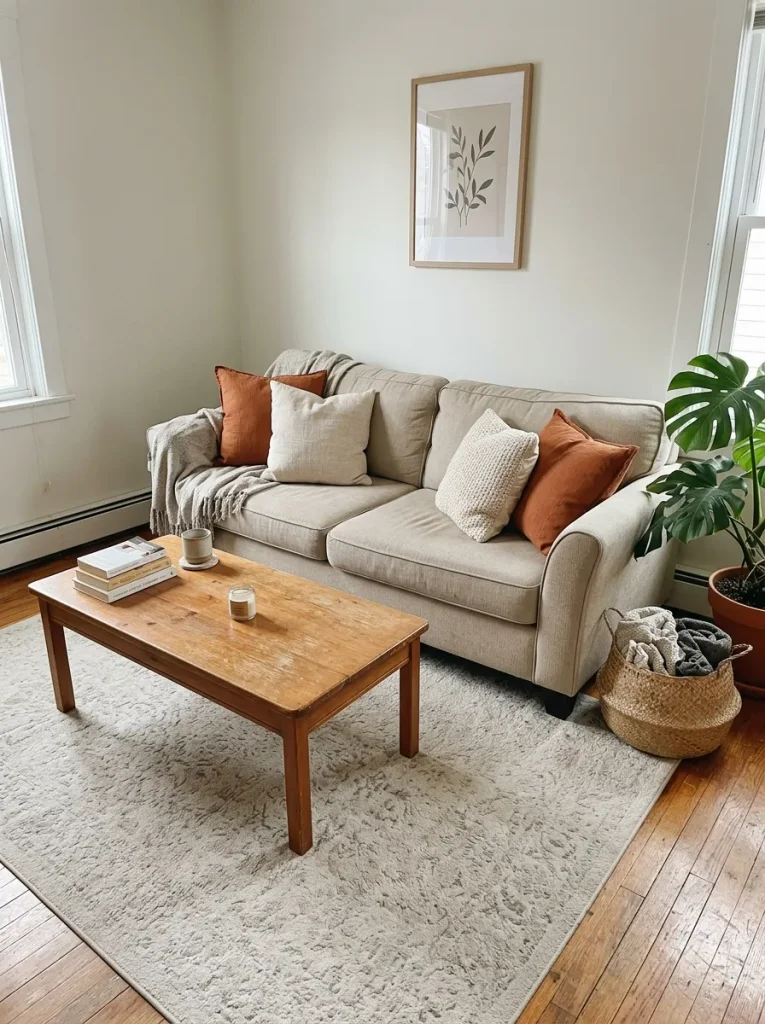
Quick Tip:
Before shopping, list what feels wrong about your current room. A lack of lighting, mismatched cushions, or cluttered surfaces may be easier and cheaper to address than replacing furniture.
Small, targeted changes can refresh a room without a major renovation. Rearrange the furniture first, then decide whether new textiles, improved lighting, or a different wall arrangement would solve the main problem. Shop your home for lamps, artwork, and accessories that could work in another room. Spend on items you use daily and save money by updating smaller decorative details.
Statement Lighting Fixtures
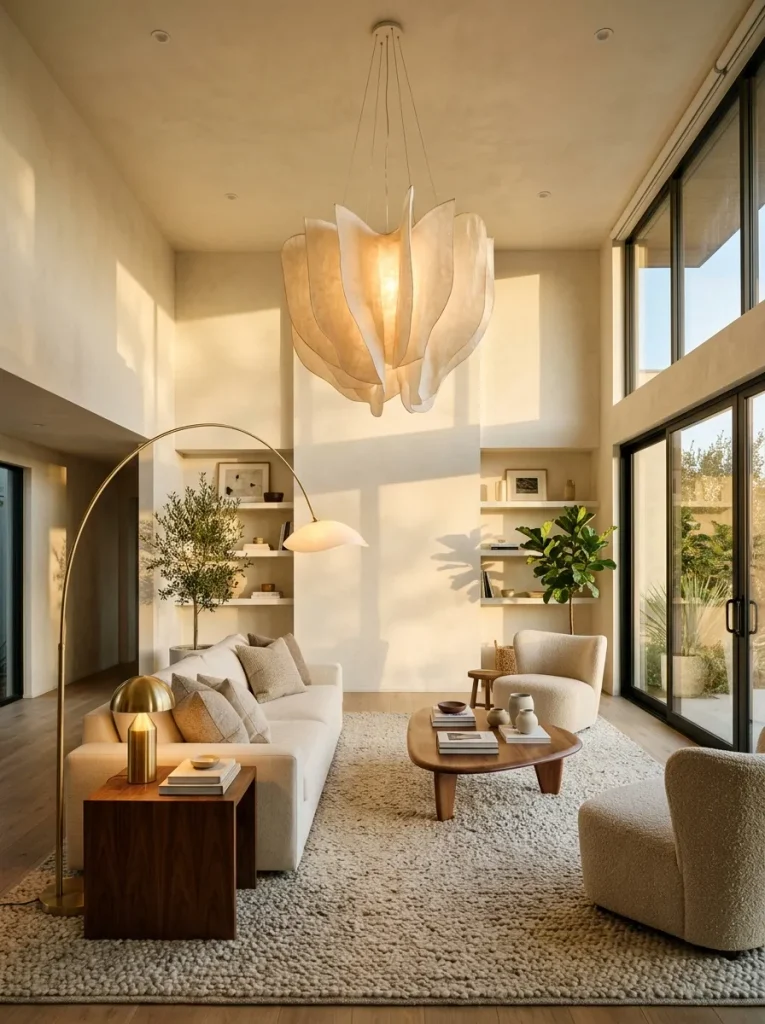
BEFORE: The room depends on one overhead light, creating harsh shadows and leaving reading corners dim.
AFTER: A combination of ceiling, floor, and table lighting creates softer illumination for different activities and times of day.
Lighting affects both how a room looks and how comfortably people use it. Combine general lighting with task lighting beside reading chairs and softer lamps near the sofa. Choose bulb color temperatures that suit the atmosphere you want and check brightness before purchasing. Make sure statement fixtures are appropriately sized for the room and installed securely, especially above walkways or seating.
Textured Neutral Wall Panels
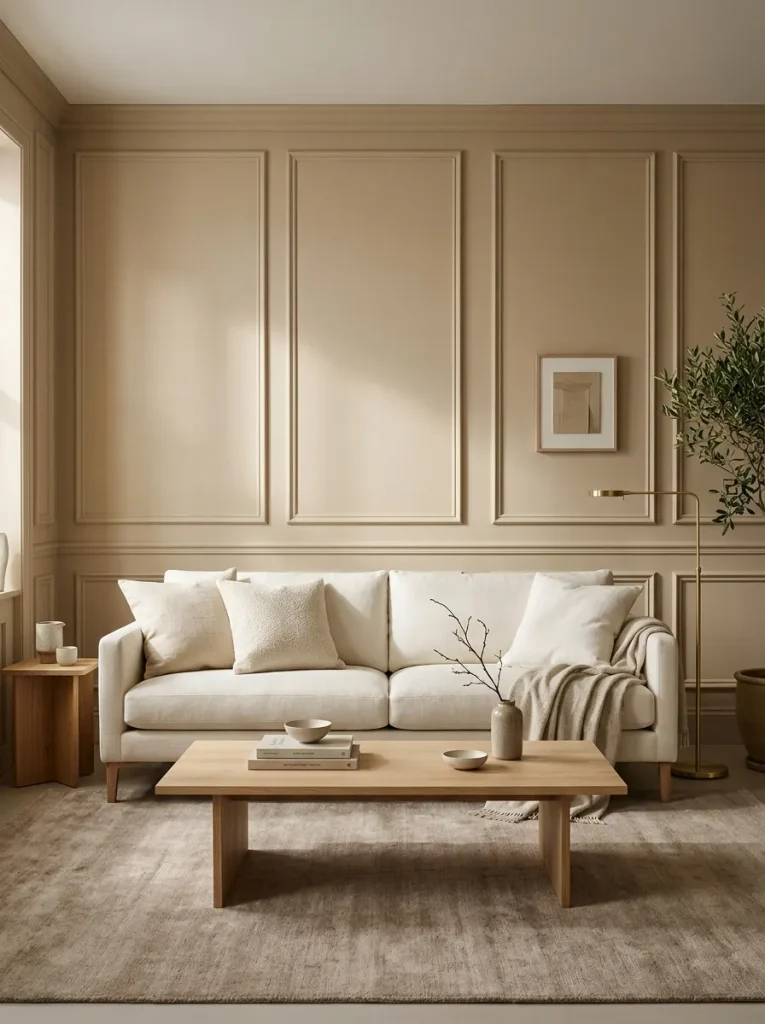
DO
- Choose panel proportions that suit the wall height.
- Test paint samples against the existing flooring.
- Keep nearby artwork and accessories relatively simple.
- Check wall condition and installation requirements before starting.
DON’T
- Add thick panels that obstruct doors or switches.
- Combine too many competing wall patterns.
- Ignore moisture concerns in unsuitable locations.
- Assume every adhesive works on every surface.
Wall panels add architectural interest to rooms that otherwise have plain painted surfaces. Narrow vertical panels can emphasize height, while broader rectangular layouts create a more classic effect. Paint the panels and surrounding wall in the same shade for a subtle finish, or use a slightly deeper tone for contrast. For rented homes, removable alternatives may be more practical than permanent installations.
Curved Furniture and Organic Shapes
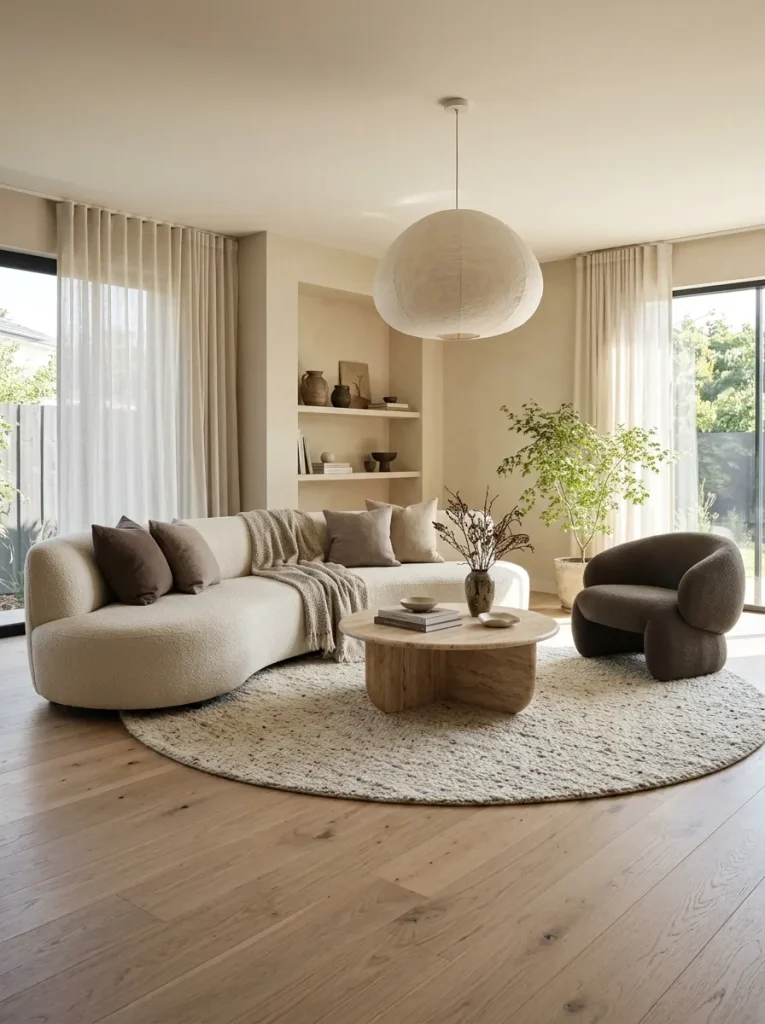
Cost: Moderate to high for larger curved furniture pieces.
Best for: Contemporary interiors and rooms with angular architecture.
Useful shapes: Rounded coffee tables, curved sofas and oval side tables.
Key benefit: Softer visual lines and more varied furniture silhouettes.
Curved furniture introduces movement into rooms dominated by rectangular walls and straight-edged cabinets. A rounded coffee table is an easy starting point because it changes the silhouette of the seating area without requiring a large purchase. Keep enough clearance around curved pieces and measure the full footprint before buying. Combining one or two organic shapes with simple furniture usually creates a more balanced result than using curves everywhere.
Moody Dark Interior
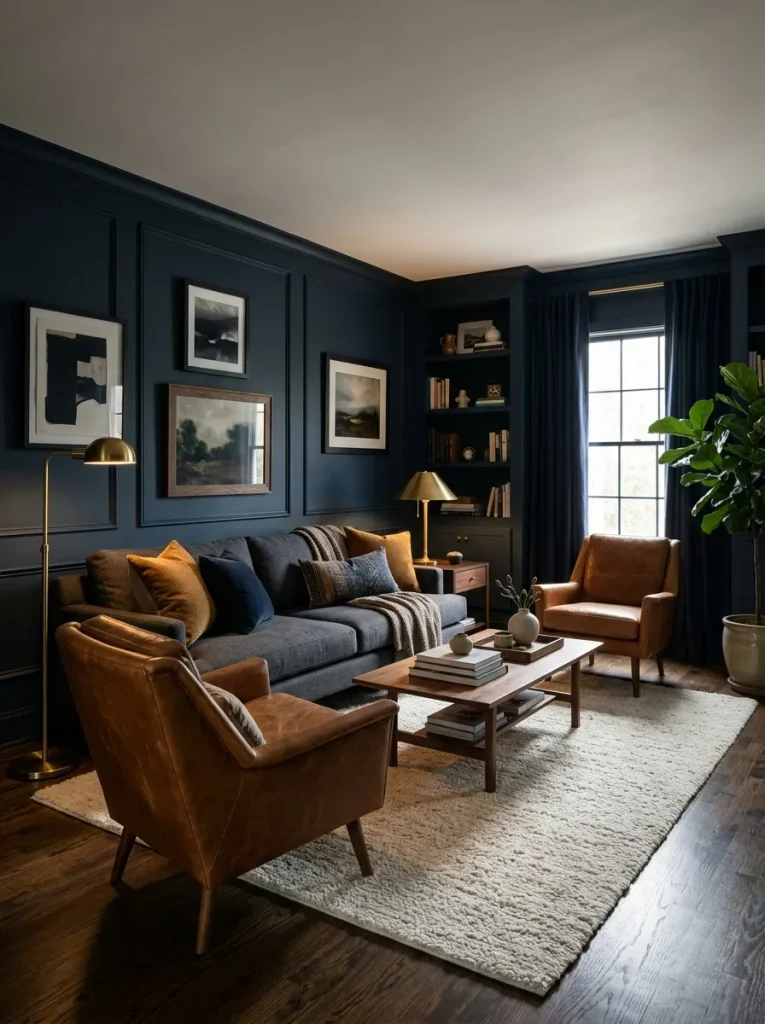
BEFORE: The room feels visually flat, with pale walls and furniture that lack contrast or a defined mood.
AFTER: Deep wall colors, rich wood and layered lighting create a more intimate setting. Lighter textiles keep the darker palette from feeling too heavy.
Dark interiors can feel inviting when lighting and texture are planned carefully. Use table lamps, floor lamps and suitable ceiling lighting instead of relying on a single bright source. If you are unsure about painting the entire room, begin with one dark accent wall or introduce deeper shades through curtains and cushions. Balance the palette with a lighter rug or artwork to preserve visual separation between furniture and walls.
Personalized Art and Accessories
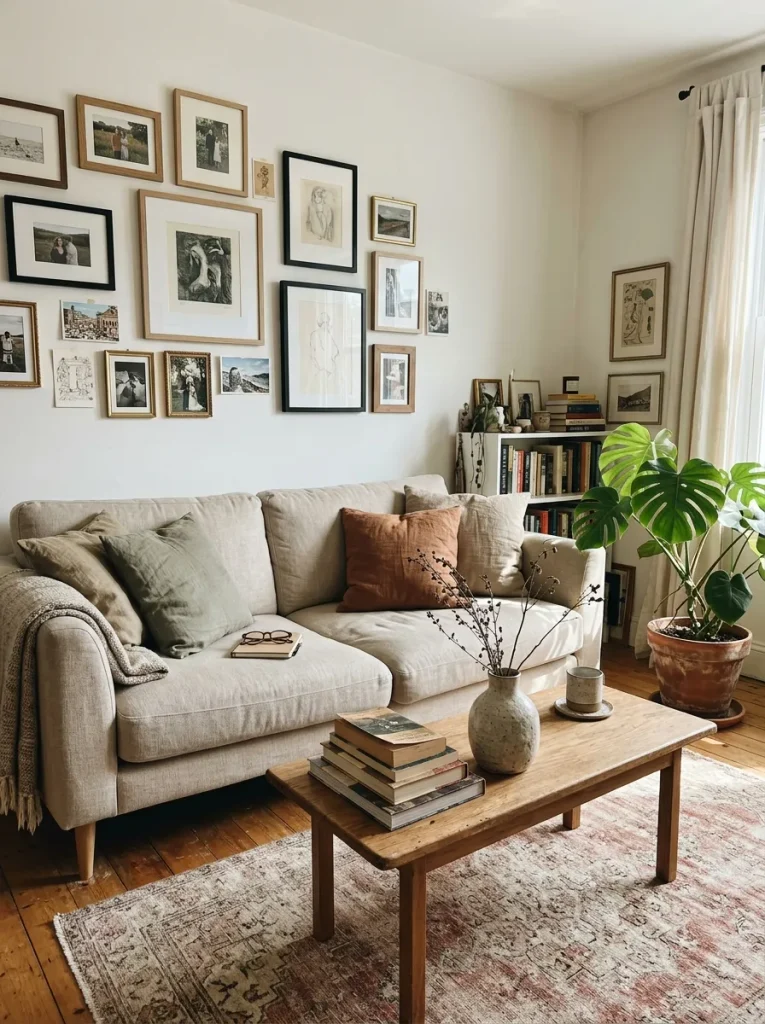
Cost: Flexible, depending on original artwork and accessories.
Best for: Any living room that needs more personality.
Useful elements: Photographs, books, handmade ceramics and meaningful souvenirs.
Key feature: A personal collection arranged with visual balance.
The most memorable living rooms often reflect the people who use them. Display photographs, artwork, books, or objects connected to your interests instead of buying accessories simply to follow a trend. Group smaller items in odd-numbered arrangements, vary their heights and leave space around each collection. You do not need to finish everything at once. Add pieces gradually and let the room develop in a way that feels natural to your life.
Conclusion
Creating a beautiful living room starts with understanding what makes you feel comfortable and inspired. These 31 Living Room Ideas offer practical ways to explore different styles, introduce inviting textures, improve your layout and add personal touches without losing sight of everyday needs.
Start with one change that suits your space and budget, whether it is refreshing your cushions, improving your lighting, or creating a cozy reading corner. Small updates can bring a wonderful sense of freshness to your home.
Save this article on Pinterest for future inspiration, try your favorite ideas and share it with someone planning a living room refresh. Your dream space can begin with one thoughtful detail.